IGOR DODIK: REPUBLIKA SRPSKA MORE INTERNATIONALLY RECOGNIZED THAN EVER, INVESTMENT CYCLE THE LARGEST TO DATE
Republika Srpska - economy
08/24/2026
21:40
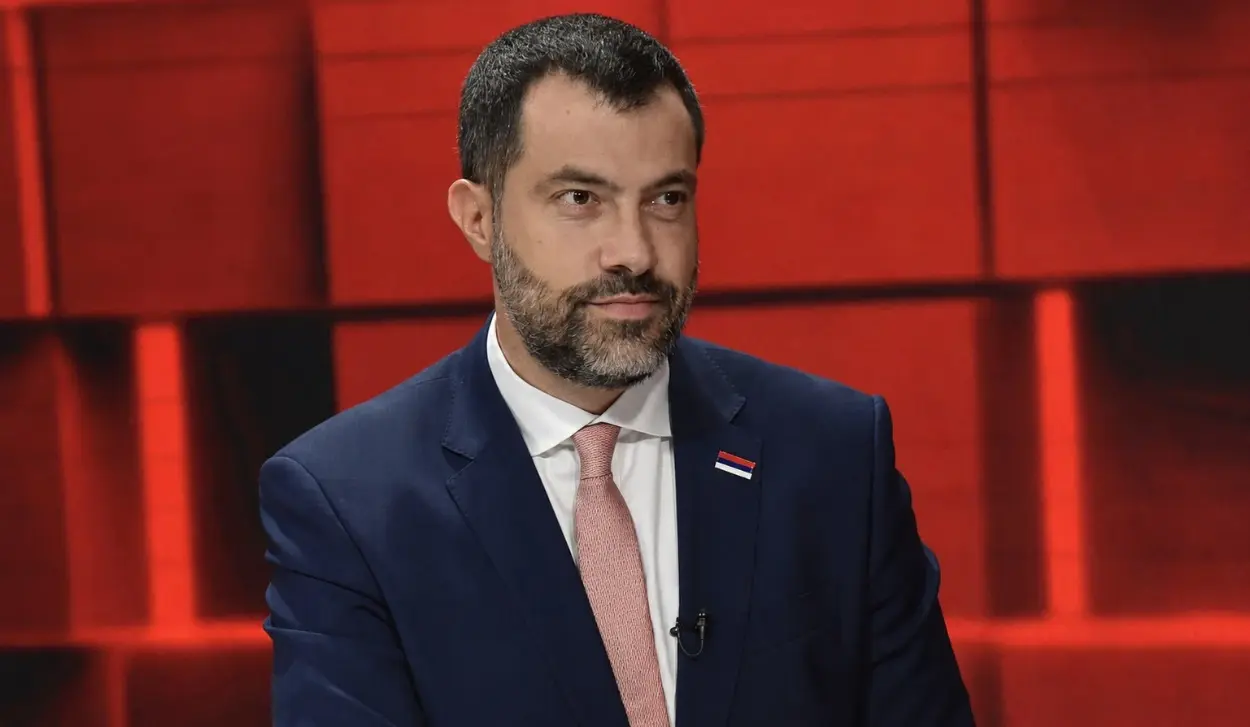
BANJA LUKA, AUGUST 24 /SRNA/ - Republika Srpska is more internationally recognized today than ever before, while this year’s investment cycle is the largest to date, SNSD Organizational Secretary Igor Dodik said.
“We have interlocutors, we have friends to whom we can tell our story and explain everything that has happened to us over the past 30 years,” Dodik said.
Speaking about economic indicators, Dodik told ATV that Republika Srpska’s gross domestic product /GDP/ stood at BAM 18.7 billion, with the possibility of reaching BAM 20 billion by the end of 2026.
“There has never been a larger investment cycle in Republika Srpska than this year, and the Republika Srpska Government, headed by Savo Minić, is investing more than BAM 7.3 billion. These are the policies of the SNSD and its coalition partners,” Dodik stressed.
He said he was proud of the economic measures, highlighting increases in wages and pensions, as well as veterans’ allowances and maternity benefits. Citing statistical data, he also said that inflation had declined over the past two months and that food and beverage prices had fallen slightly.
“We have more than 290,000 employed people, which is a record number we can be proud of. The average salary is BAM 1,700, and of course, we are aiming for higher wages and will continue in that direction. The measures being implemented by the Republika Srpska Government are aimed at raising salaries to between BAM 2,000 and BAM 2,500 and putting us above the average,” Dodik stressed.
He also addressed claims that Republika Srpska is heavily indebted.
“We hear a lot these days about Republika Srpska being heavily indebted, but our debt stands at only 36 percent of GDP. Serbia’s is 42 percent, Croatia’s is almost 50 percent, Slovenia’s is 58 percent, while European countries have debt levels of up to 88 percent. When you compare Republika Srpska’s 36 percent with European countries at 88 percent, you can see that Republika Srpska is among the least indebted, not only in the region but more broadly,” Dodik stressed.
He noted that financial flows worth more than €500 million had been opened up during the previous period.
“What we obtained, raised or borrowed, we directed into investments. We did not use the money for spending, but for investments aimed at increasing GDP and raising living standards. This cannot happen overnight, as all of these are long-term measures,” Dodik said.
He described infrastructure development as one of the key prerequisites for attracting investors and creating new jobs.
“Due to the pressure we were subjected to, we faced a blockage of financial flows and were unable to direct funds toward projects that are also important for people living in rural areas. These include roads, the renovation of low-voltage power grids and water supply networks. We are doing that now, and today there are investments in almost every municipality and city, with hospitals, schools, motorways and other infrastructure being built,” Dodik said.
Speaking about the development of Republika Srpska over the next ten years, he identified energy security as one of the top priorities.
“Republika Srpska can become Europe’s battery. We currently have more than one gigawatt of energy potential that has yet to be developed. We have Buk Bijela, the Middle Drina, Dabar, which is currently under construction, Dubrovnik 2, and a pumped-storage hydropower plant project,” Dodik said.
He noted that the implementation of these projects would create additional room for development.
“That means surplus energy that we can sell. You can see for yourselves that electricity is becoming more expensive by the day, which is why we need to focus on the energy sector. These projects can provide us with energy security and additional room for the development of Republika Srpska,” Dodik said.
He also singled out data centres and artificial intelligence as development priorities.
“We have to keep up with trends if we want to develop. International actors have recognized that we have water resources, potential and energy security, which we can further strengthen,” Dodik said.
He stressed that talks with potential foreign investors are held almost every week, but that roads, motorways and efficient administration need to be provided for their projects.
He said that the digitalization of public administration was one of the prerequisites for accelerating development and reducing opportunities for corruption. “Today, you face difficulties and delays in the administration. If we digitalize society, we can get from a birth certificate to a building permit in 30 seconds, with a single click. This increases efficiency and reduces the level of corruption,” Dodik stressed.
Speaking about the biggest internal problems facing Republika Srpska, Dodik first pointed to years of political and financial pressure.
“You have witnessed the severe pressure that Republika Srpska and its leadership have faced over the past three or four years. We had our financial flows blocked, and there was an expectation that we would eventually be unable to pay salaries or pensions, triggering economic unrest. We managed to overcome all of that, and that is encouraging,” Dodik said.
According to him, blockades from Sarajevo within the institutions of BiH have slowed the implementation of important projects.
“All these energy projects would have been launched long ago, and some might even have been completed, had it not been for the blockades from Sarajevo. The administration in Sarajevo is also trying to obstruct the airport in Trebinje, which is very important for our development, as well as our energy projects,” Dodik said.
He identified bureaucracy and corruption as internal weaknesses, saying that corruption occurs at all levels, as well as the lack of judicial outcomes in cases involving uncovered wrongdoing.
“Relevant authorities and ministries uncover certain irregularities, but the cases simply do not reach a conclusion. That is our weakness, and we must find a way to address it,” Dodik said.
He listed the departure of young people among the biggest problems, but stressed that the entire region faces the same challenge, including Croatia and the Federation of BiH.
“We need to bring our workforce and our talent back from abroad. We should find a way for all students from Republika Srpska who go abroad to study to return here and transfer the experience and knowledge they have gained to Republika Srpska,” Dodik said.
As an encouraging sign, he cited Education Minister Borivoje Golubović’s information that more than 500 children from families that had returned from abroad enrolled in schools in Republika Srpska during the past school year. He added that, during visits to local communities, he was increasingly encountering such families.
“According to the information Minister Golubović shared with me, that number should be even higher in the new school year. That brings us the most joy, because it means that people have faith, that they have regained hope and believe that things will get better here,” Dodik concluded.
Tag s

IGOR DODIK ON KEY STEPS WITH THE US: NO MORE IMPOSITION OR COWBOY POLITICS BY MURPHY AND SCHMIDT
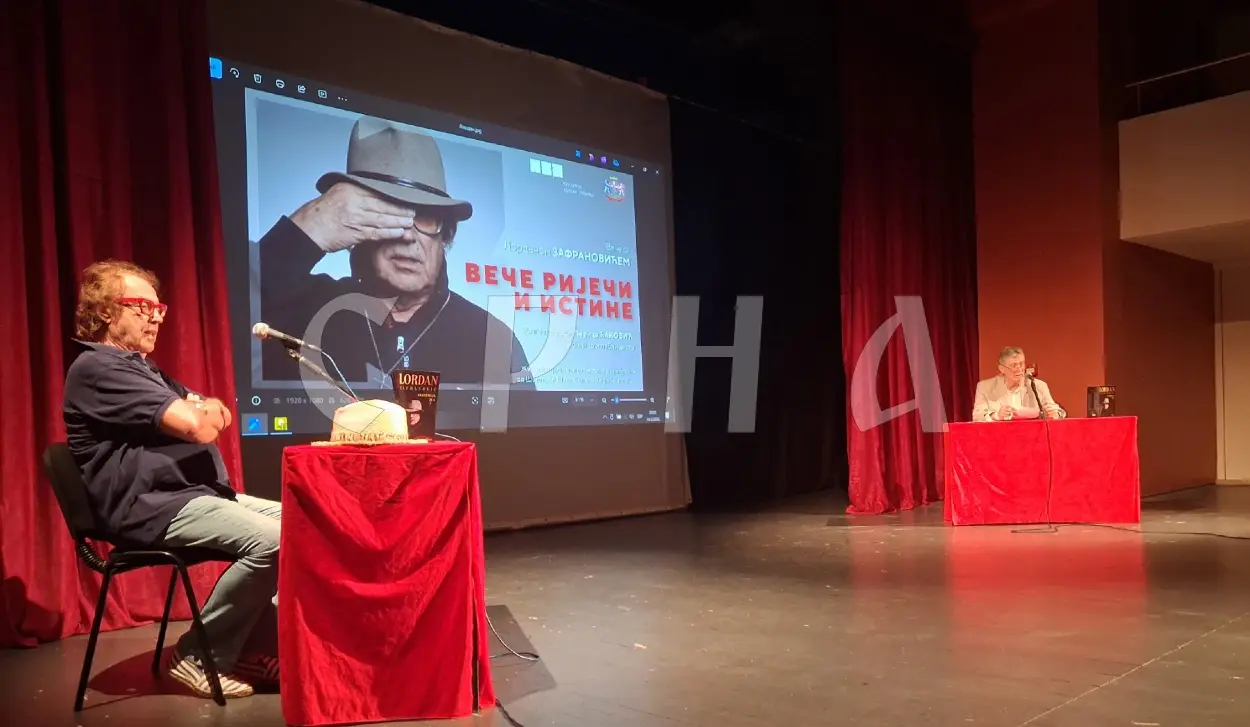
ZAFRANOVIĆ: FILM THE CHILDREN OF KOZARA – A CRY THAT THE EVIL OF JASENOVAC MUST NEVER HAPPEN AGAIN
BESSENT: MORE THAN 60 OF TEHRAN’S ASSOCIATES TARGETED BY SANCTIONS
IGOR DODIK: REPUBLIKA SRPSKA MORE INTERNATIONALLY RECOGNIZED THAN EVER, INVESTMENT CYCLE THE LARGEST TO DATE