CHURCH OF HOLY NEW MARTYRS OF JASENOVAC CELEBRATES PATRON SAINT'S DAY IN MEĐUVOĐE
Republika Srpska - Kozarska Dubica - SOC
09/13/2026
20:16
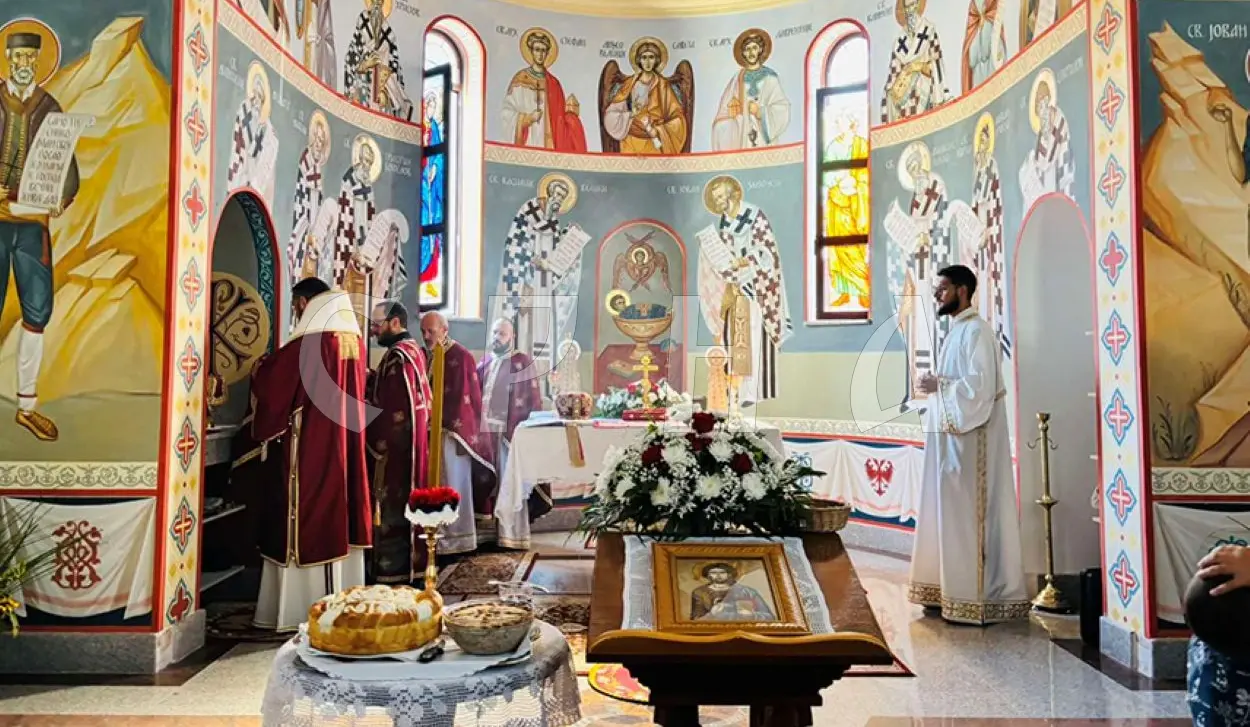
KOZARSKA DUBICA, SEPTEMBER 13 /SRNA/ – The patron saint's day of the Church of the Holy New Martyrs of Jasenovac was marked in Međuvođe near Kozarska Dubica, a site from which Serb civilians were deported to the Jasenovac concentration camp system during the Second World War.
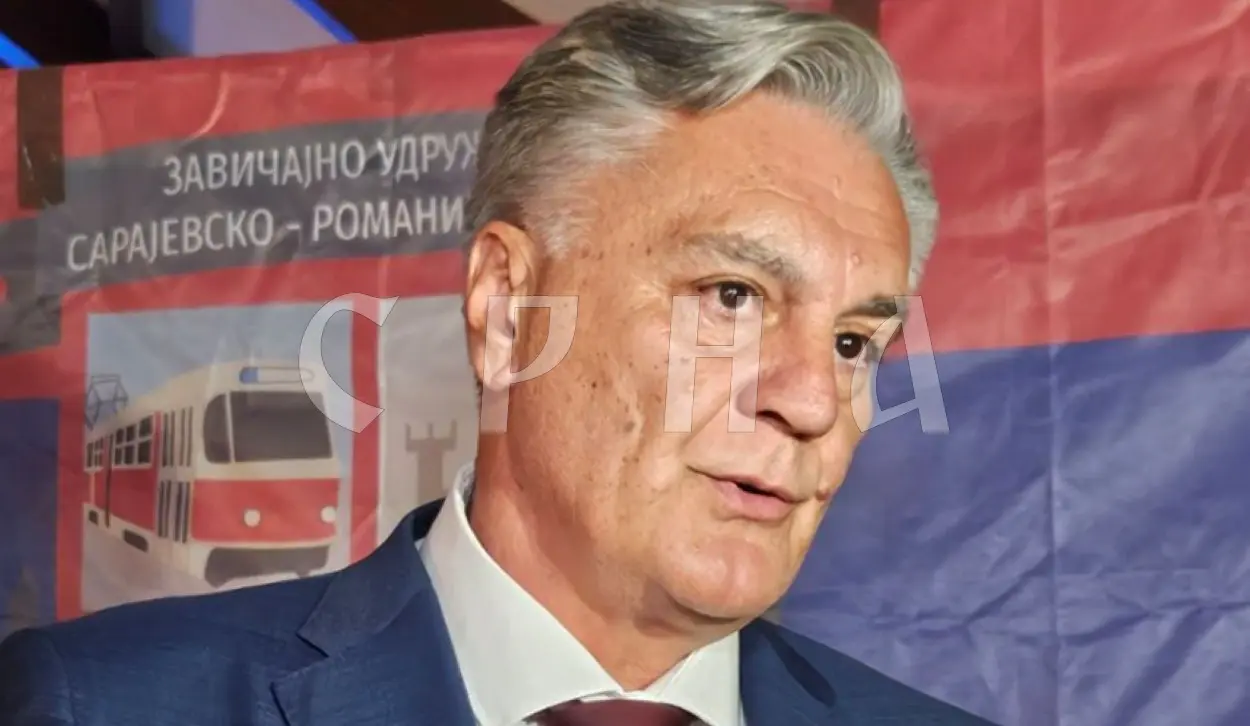
The Divine Liturgy marking the church's patron saint's day was celebrated by His Grace Bishop Sava of Marča, while the patrons of the celebration were Republika Srpska National Assembly member Darko Banjac and Ranko Stojaković.
Messages from the celebration stressed that the victims of Jasenovac must not be forgotten and that the culture of remembrance must be passed on to younger generations.
Republika Srpska Minister of Administration and Local Self-Government Senka Jujić stressed that it was the responsibility of present generations to tell young people about the suffering of innocent civilians during the Second World War and the crimes committed under is not enough simply to remember; we must also pass on to younger generations everything the Independent State of Croatia /NDH/.
"The culture of remembrance is our responsibility. It is not enough simply to remember; we must also pass on to younger generations everything that happened during the Second World War under the rule of the NDH and what was done to innocent civilians in the most horrific ways," Jujić told reporters.
Banjac said the church represented much more than a place of prayer.
"It is a blood link between Potkozarje and its ancestors and a lasting testimony to the suffering, survival and future of the Serb people in this area. The entire Serb people are building a church that bears a unique name in the Diocese of Banja Luka - the Church of the Holy New Martyrs of Jasenovac," Banjac told believers and guests gathered outside the church.
He said the church was also distinctive for its frescoes, which feature faces from preserved photographs - the faces of ancestors whose descendants still live in the area.
"When you enter this church, you will see frescoes depicting faces from photographs, the faces of our ancestors. Someone will recognise their grandfather, someone their father, someone their godfather, and someone a distant relative. When you enter this church, it is not an ordinary church. It is the blood link of the people of Potkozarje", Banjac said.
Speaking about the significance of the site where the church was built, Banjac reminded that it was associated with the suffering of the Serb people and the deportation of their ancestors to the Jasenovac concentration camp system.
"They are built into the foundations of this church. That is why its foundation is strong. This church reminds us of what happened, while at the same time bearing witness to the future of this area," Banjac said.
He stressed that the gathering of more than 400 people, as well as the children growing up and playing around the church, sent the most important message that the Serb people had not disappeared from the area.
"It is a message that we will continue to live in these 11 villages, and that this church will continue to shine and the bells of this Orthodox church will continue to ring across these mountains, Potkozarje, our hills, fields and mountains," Banjac said.
The foundations of the Sveti Sava Community Centre were also consecrated today in the churchyard. The future building will house a memorial room containing items that belonged to victims of the Ustasha genocide in the NDH.
Knežica parish priest Željko Jevđenić said families were still erecting memorials to their loved ones based on information that they had perished at Kozara, along the Una River, in Zemun, Jasenovac or Sisak.
"When you visit the Knešpolje cemeteries, you will see numerous monuments bearing several names or even entire families, even though their remains are not buried there," Jevđenić said.
According to the data presented at the celebration, at least 60,000 Serb civilians were killed during and after the offensive in the summer of 1942, in Kozara and in the camps of the Jasenovac system. A huge number of the victims were children.