BOSNIAK ELITE’S STATEMENTS DO NOT CONTRIBUTE TO UNDERSTANDING HISTORICAL TRUTH
Republika Srpska - FBiH - Vulić
08/25/2026
14:01

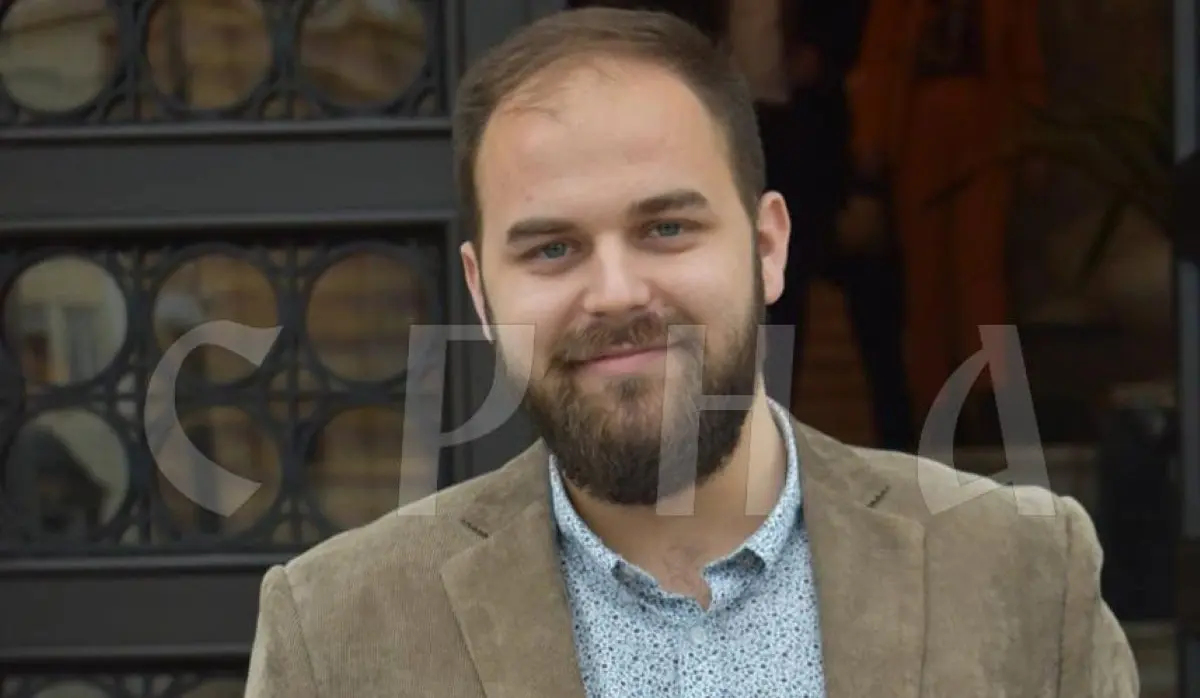
ISTOČNO SARAJEVO, AUGUST 25 /SRNA/ - Bosniak elite's statements disregarding destroyed Orthodox churches and the expulsion of the Serb population do not contribute to understanding historical truth, but instead serve to embellish the role of their own people in the past while ignoring the victims and suffering of others, stated Georgije Vulić, researcher and senior associate at the Institute of Historical Sciences of the University of Istočno Sarajevo.
Vulić told SRNA that historical processes and events must be discussed through the prism of scientifically established facts and that, in this regard, statements by a large number of Bosniak political and religious leaders can only be viewed as political rhetoric rather than scientifically substantiated positions.
"Claims that the so-called Army of BiH allegedly preserved and protected the religious buildings of other peoples in territory under its control must be subjected to serious historical and critical analysis. Historical reality and physical evidence on the ground do not support the thesis presented to the public by the current Bosniak elite," Vulić said.
According to him, statements by Bosniak religious and political leaders that their army preserved key religious sites belonging to other peoples represent an attempt to create a one-sided narrative of the war that disregards documentation and numerous other material pieces of evidence.
"A large number of Serbian Orthodox churches, monasteries and cemeteries were destroyed, desecrated and devastated in areas controlled by the so-called Army of BiH," he stressed.
Vulić said that evidence of such actions by the so-called Army of BiH can be found in the fate of numerous Orthodox religious sites in the Neretva Valley, Podrinje, Central Bosnia, Bosanska Krajina and other areas from which the Serb people was expelled and their spiritual heritage systematically destroyed.
He pointed out that such treatment of Orthodox religious sites in the FBiH did not end in 1995, as, during peacetime, the Serb community in that area has faced institutional neglect and numerous obstacles to exercising its right to property restitution.
"The ultimate goal of this is to completely marginalize the Serb community and erase traces of centuries-old presence of Serbs in the area," Vulić said.
In March this year, 33 Muslim religious and political leaders, at the initiative of the Islamic Community in BiH, signed a statement in Sarajevo saying that their army had "preserved key religious sites belonging to other peoples," while the Committee protecting Serbs' rights in the FBiH has pointed to the opposite, namely the destruction of numerous Orthodox religious sites throughout the territory of the FBiH.