CHURCH AT SERBIAN CEMETERY IN TUZLA DESECRATED
FBiH - Committee for the Protection of Rights of Serbs - Radanović
05/19/2026
13:27
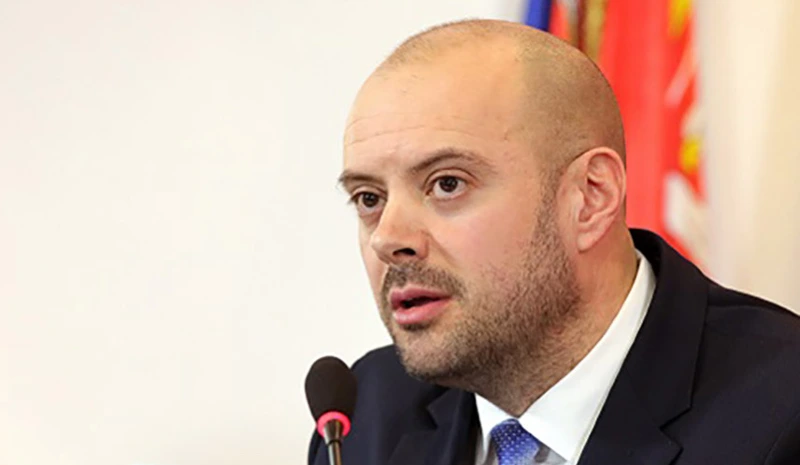
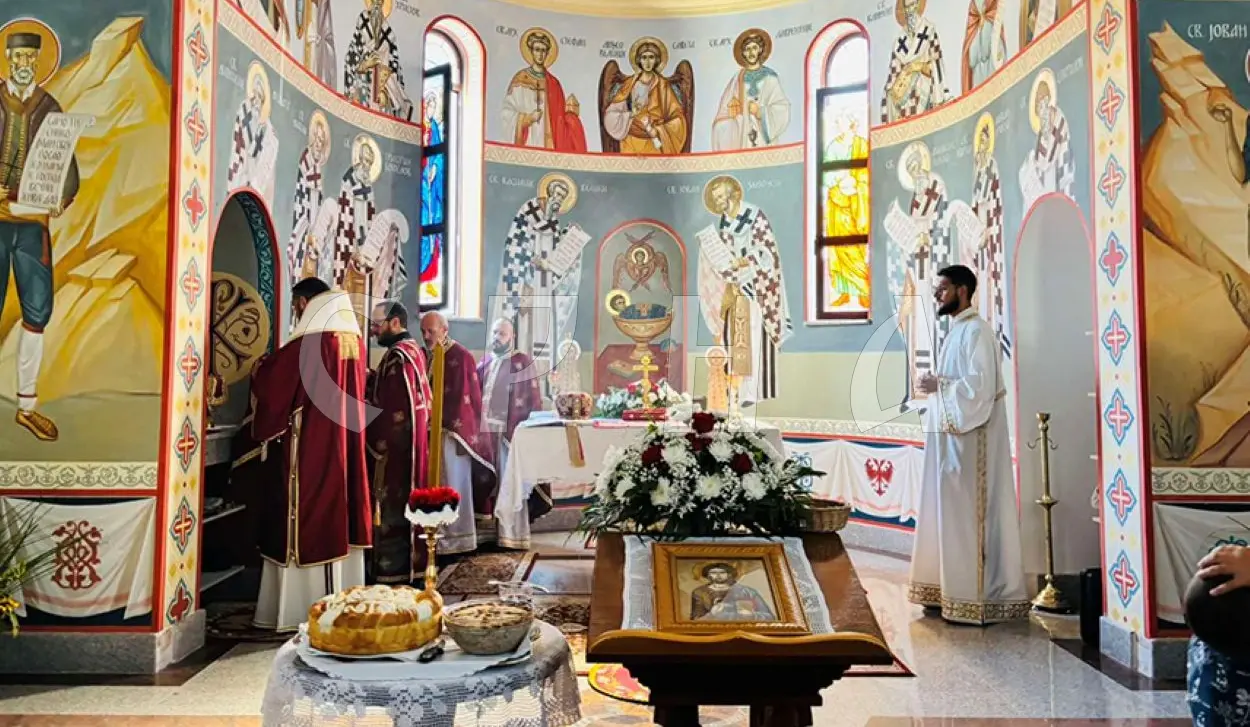
SARAJEVO, MAY 19 /SRNA/ - The President of the Committee for the Protection of the Rights of Serbs in the Federation of BiH /FBiH/ Đorđe Radanović said that Orthodox priests living and working in the territory of the FBiH are in danger, which, he said, is confirmed by the desecration of the Church of Saint Great Martyr George at the Serbian Orthodox cemetery in Tuzla, which is a national monument of BiH.
Radanović strongly condemned the act and told SRNA that attacks like yesterday's once again offend religious feelings not only of the clergy but also of Orthodox believers in Tuzla.
He assessed that Christianity in this region has been under threat since its very beginning.
"Every month, we witness that some church in the FBiH is vandalized, cemeteries are desecrated, and priests are afraid to move freely and carry out their mission. Our priests are heroes of the Serb people," Radanović said.
Radanović reminded that radical Islamists also desecrated an Orthodox church in the Dokanj settlement near Tuzla on Easter, and it is also known that last year the relics of Saint Matrona of Moscow were desecrated in the Cathedral Church of the Assumption of the Most Holy Mother of God in Tuzla.
He reminded that Bosniak leaders signed a document on March 19 in the library of the Gazi Husrev-beg Madrasa in Sarajevo stating that they "preserved, are preserving, and maintaining the multi-ethnic character of BiH".
"The first signatory is the current member of the Presidency of BiH, Denis Bećirović from Tuzla, where Orthodox churches have been attacked at least 50 times, and the last, as the 33rd signatory of that document, is the Mayor of Zenica Fuad Kasumović," Radanović said.
Radanović said that the signatories of that document wrote in Article 4 that they are "the most tolerant people in the world who build understanding with other nations, openness, and culture," while today it is clearly visible how they behave toward the Serb people, which is best shown by recent attacks on Orthodox religious sites and clergy in Tuzla and across the FBiH.
Radanović added that today's "radical Bosniaks" behave hypocritically, just like their predecessors during the war in BiH, when they blamed Serbs for various crimes committed against other peoples as well as members of multinational forces.