GALIJAŠEVIĆ: KILLING OF KHAMNEI SYMBOLIC
Middle East - conflict
03/01/2026
13:46
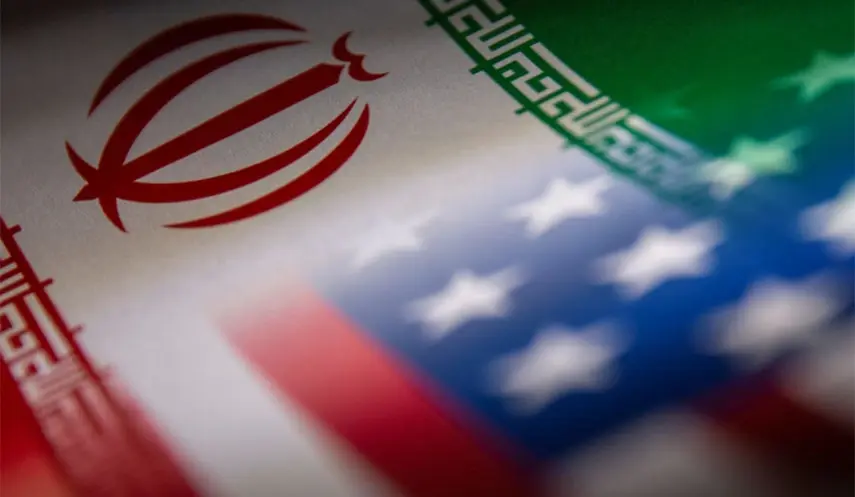
BANJA LUKA, MARCH 1 /SRNA/ - Counterterrorism expert Dževad Galijašević assessed for SRNA that the liquidation of Iran's Supreme Leader Ali Khamenei carries symbolic significance, as he was the guardian of the identity of fanatical Islamism, stressing that the conflict could continue since successors to the country's political and military leadership had already been appointed.
"Khamenei was the guardian of the idea of an Islamic system and the victory of the Islamic revolution. Formally, he managed the entire state system. However, due to his age, it is difficult to assume that his operational importance was as great as his symbolic importance," Galijašević stressed.
He pointed to what he described as strong tactical preparation by the United States and Israel, noting that in the initial attacks the entire military and political leadership of Iran was eliminated.
"The Iranian service did a poor job. We all knew war was inevitable. When such forces are concentrated, you can expect an attack. American and Israeli forces were deployed. However, what Muslims in Sarajevo and around the world do not like to hear is that other countries with majority Muslim populations were also involved in preparing this scenario," Galijašević pointed out.
He believes Iran was also prepared for the conflict, as evidenced by military strikes on US military bases and Israel.
"We already see that Shirazi is acting as an ayatollah who has issued his fatwa declaring jihad. This will not end in a day. Iran is armed and has powerful partners," Galijašević believes.
He assessed that this represents a restructuring of the Middle East and stressed the need to consider one’s own interests in the situation.
"We must consider who we can talk to and resolve our problems with. This war does not concern us, but we can further strengthen partnerships with the policies and people from the administration of US President Donald Trump. That should be kept in mind," Galijašević said.
IRAN HAD A CLEAR ROLE IN THE CONFLICTS OF THE 1990S, SENT FIGHTERS AND WEAPONS
He said the crisis cannot be viewed outside the context of national interests, reminding of Iran’s role in the wars of the 1990s and the activities of its military and intelligence representatives.
"Iran’s role in the war of the 1990s and the way its military formations operated cannot be forgotten. Around three thousand of their soldiers and intelligence operatives were active in this region," Galijašević said.
He also reminded of that Qasem Soleimani, who was killed in Iraq during Trump’s first presidential term, had also been active in this region.
"They received weapons and military equipment that Iran delivered by ships. They like to interfere in the affairs of others," Galijašević underlined.