MISS IRBY - GREAT SERBIAN BENEFACTOR
BiH - humanitarianism - anniversary
09/14/2026
10:12
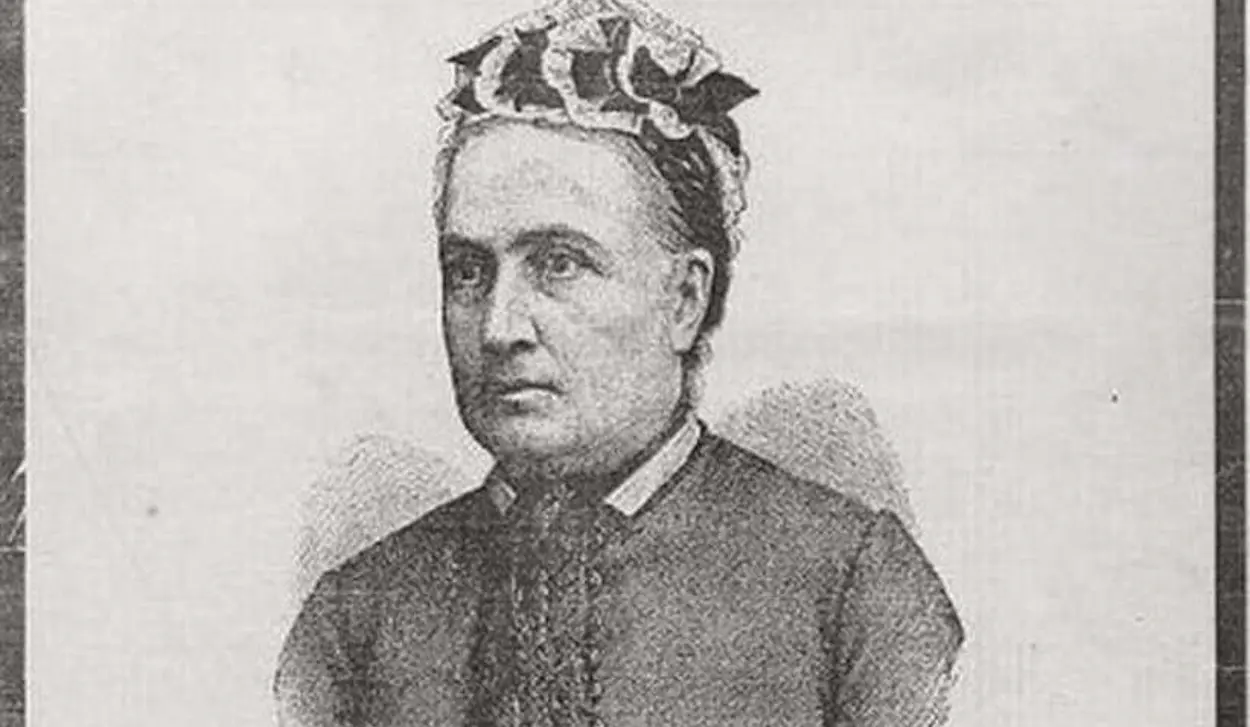
BIJELJINA, SEPTEMBER 14 /SRNA/ - Adeline Paulina Irby, known in Sarajevo and BiH as Miss Irby, who helped Serbian rebels fighting Ottoman rule in Herzegovina and opened schools for women, died on September 15, 1911.
Miss Irby was a British suffragist, traveler and philanthropist in BiH. She traveled throughout the Balkans, collecting aid for war-affected areas, and founded the first school for girls in Sarajevo.
She was born on December 19, 1831, at Boyland Hall, near Morningthorpe in the county of Norfolk, where she grew up.
During her travels, she wrote the book Travels in the Slavonic Provinces of Turkey-in-Europe and studied the languages of the region, including Serbian.
She soon arrived in Sarajevo and opened a school for girls. Education, accommodation and food for the students were provided free of charge, regardless of their nationality or religion, which initially met with opposition from both national and religious authorities.
Although the school was open to members of all religions, it was attended mostly by Serbian girls, so the school soon began to be referred to as a Serbian girls’ school in reports and documents. The curriculum included basic literacy, handicrafts, history and the fundamentals of good manners.
The school was initially attended by children from wealthy Serbian families, but as it became more established, it increasingly turned its attention to the poor.
In Sarajevo, Adeline Irby was particularly supportive of the work of the Prosvjeta Serbian Educational and Cultural Society.
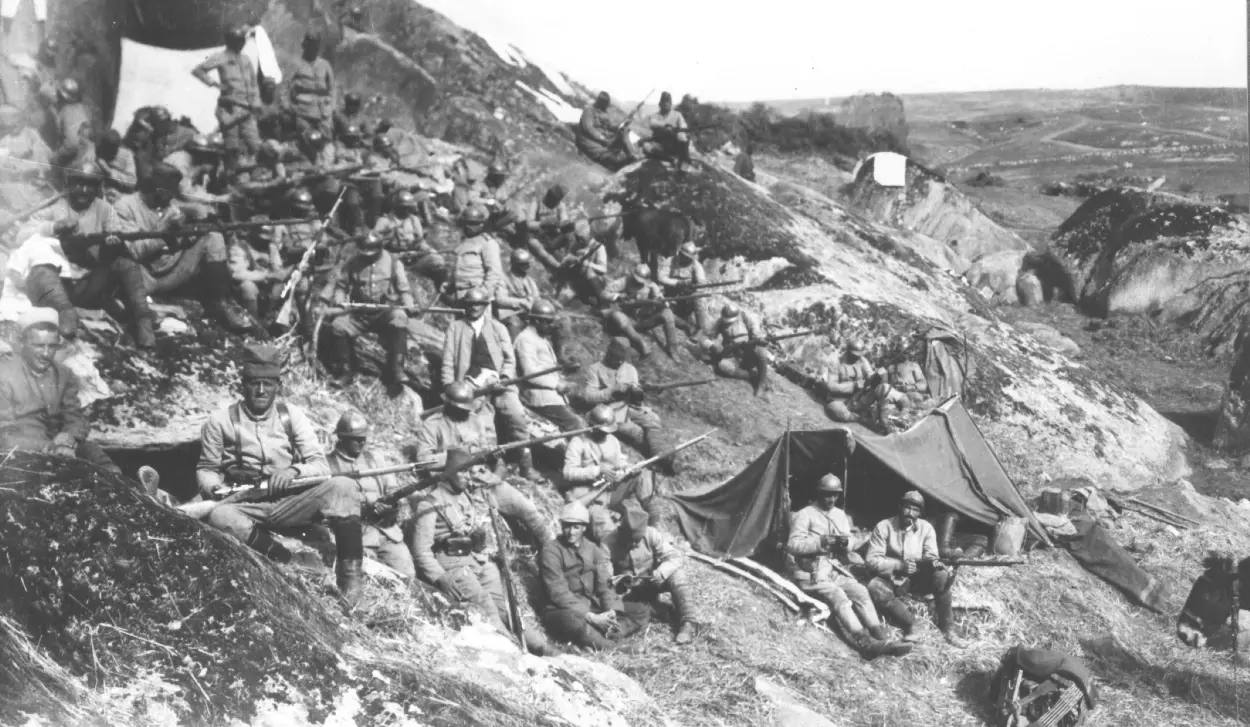
In the summer of 1875, a Serbian uprising against Ottoman oppression, known as the Nevesinje Uprising, broke out in Herzegovina. Adeline Irby and her friend Priscilla Johnston urgently evacuated the school, taking some of the students to a girls’ school in Prague.
They then turned all their attention to helping the numerous refugees who began wandering along the roads in large numbers. They went to England and, with the help of Florence Nightingale, began raising money for the "Fund for the Relief of Children Without Parents".
Meanwhile, winter arrived, followed by epidemics of smallpox and typhus. Adeline and Priscilla cared for thousands of refugees.
Over a period of four years, from October 1, 1875, to June 13, 1879, Adeline and Priscilla distributed substantial funds, equivalent to three million dollars today, to provide food, accommodation and education.
Adeline Irby emerged from the Serbian uprising with the titles of the noblewoman and mother of the poor, which followed her throughout her life and with which she entered history.
In 1878, BiH came under Austro-Hungarian jurisdiction, whose authorities were reluctant to allow Adeline to return to Sarajevo and reopen the school. The new, rebuilt and expanded school provided accommodation for 66 children, including boys.
As for its religious foundation, the emphasis was placed on the Bible and Christian teachings, but the children were encouraged to attend their own places of worship and celebrate their religious holidays.
Adeline Irby remained in Sarajevo for the rest of her life and continued her work, often financing schools with her own money.
Her death was mourned not only in Sarajevo and throughout BiH, but also in Serbia. Flags were flown at half-mast, while black cloth hung from many windows and balconies of Sarajevo's Serbs.
She was buried, according to her own wishes, in the Protestant cemetery on Koševo Hill. The grave was later moved to St. Joseph Cemetery in Sarajevo's Ciglane neighborhood.
She left all her property to the Serbian Educational and Cultural Society Prosvjeta and the Srpkinja women's cooperative.