THE BEGINNING OF THE SALONIKA FRONT BREAKTHROUGH
Serbia - WWI - anniversary
09/14/2026
10:24
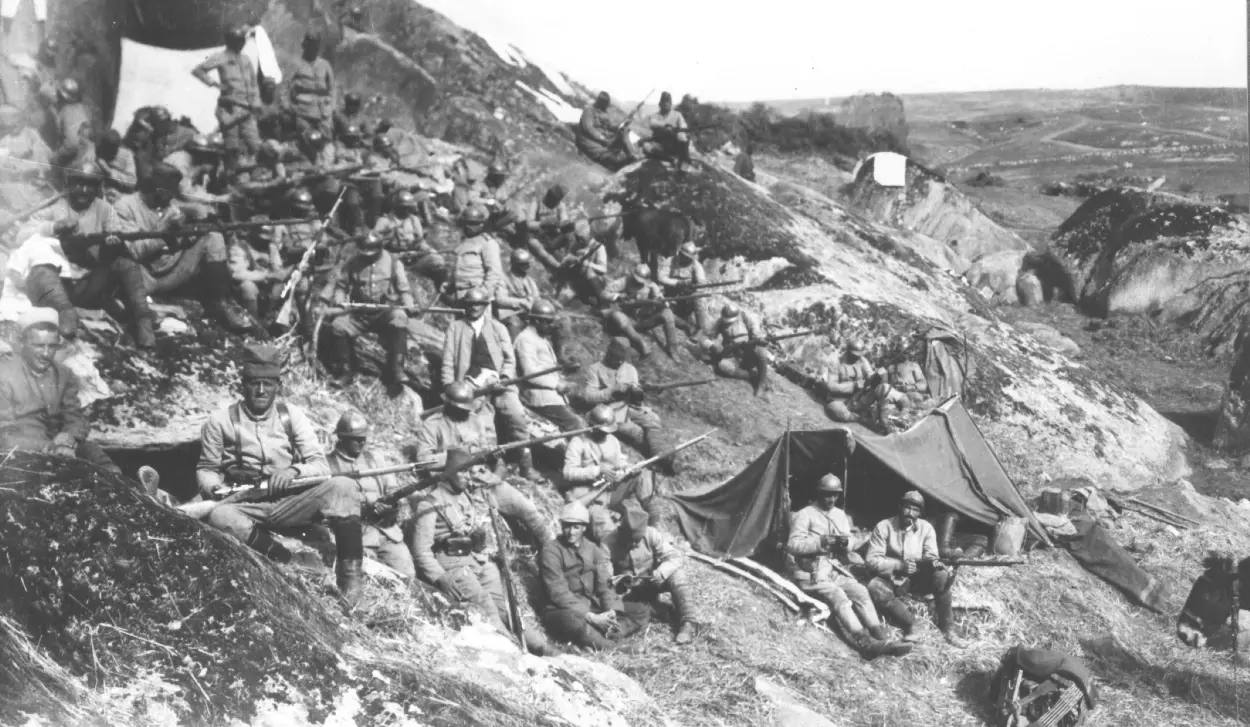
BIJELJINA, SEPTEMBER 14 /SRNA/ - The Serbian Army began its breakthrough of the Salonika Front on September 15, 1918.
The First and Second Serbian Armies broke through the Salonika Front on September 17, which proved decisive for the defeat of the Central Powers in the Great War. A month and a half later, Austria-Hungary capitulated, followed shortly afterwards by Germany.
The breakthrough of the Salonika Front is one of the most important events in Serbian history.
Serbian forces cut off the Bulgarian Army and forced Bulgaria to lay down its arms on September 30, 1918.
The Serbs were advancing so rapidly that the French command asked the Serbian Supreme Command to slow their advance because the French cavalry was unable to keep pace with the Serbian infantry.
The world was initially stunned by the Serbian victories at Cer and Kolubara, then stood in solidarity with the Serbs during their retreat across Albania, was surprised by the recovery of the Serbian army on Corfu, and was ultimately thrilled by the victory and breakthrough of the Salonika Front.
With a rapid advance from Salonika through the Morava and Vardar valleys to Belgrade in just one month, the strategic line of communication of the Central Powers was severed, which had a major impact on the outcome of the war.
Over half of the Serbian Army's total strength during the final operations on the Salonika Front and its subsequent breakthrough consisted of volunteers. There were around 30,200 Serbian volunteers from overseas countries, followed by 25,700 volunteers who had arrived from captivity in Russia, as well as at least 1,300 Herzegovinian volunteers from the Montenegrin army...
Serbs living outside Serbia deserted the Austro-Hungarian army into which they had been forcibly mobilised and joined the Serbian army.
From the start of military operations on the Salonika Front until the liberation of Bitola, the Serbian Army lost nearly 29,000 men.
By breaking through the Salonika Front, the Serbian Army not only liberated Serbia, but also the Serbs living in what is now BiH and Croatia, as well as other South Slavic peoples who, like the Croats in Dalmatia and Zagreb and the Slovenes, sought unification with Serbia and the creation of a new state — the Kingdom of Serbs, Croats and Slovenes, later renamed Yugoslavia.