STEVANDIĆ: NATIONAL ASSEMBLY WITHSTOOD PRESSURES AND PRESERVED SRPSKA INSTITUTIONS
Republika Srpska - SRNA - podcast
09/05/2026
10:20
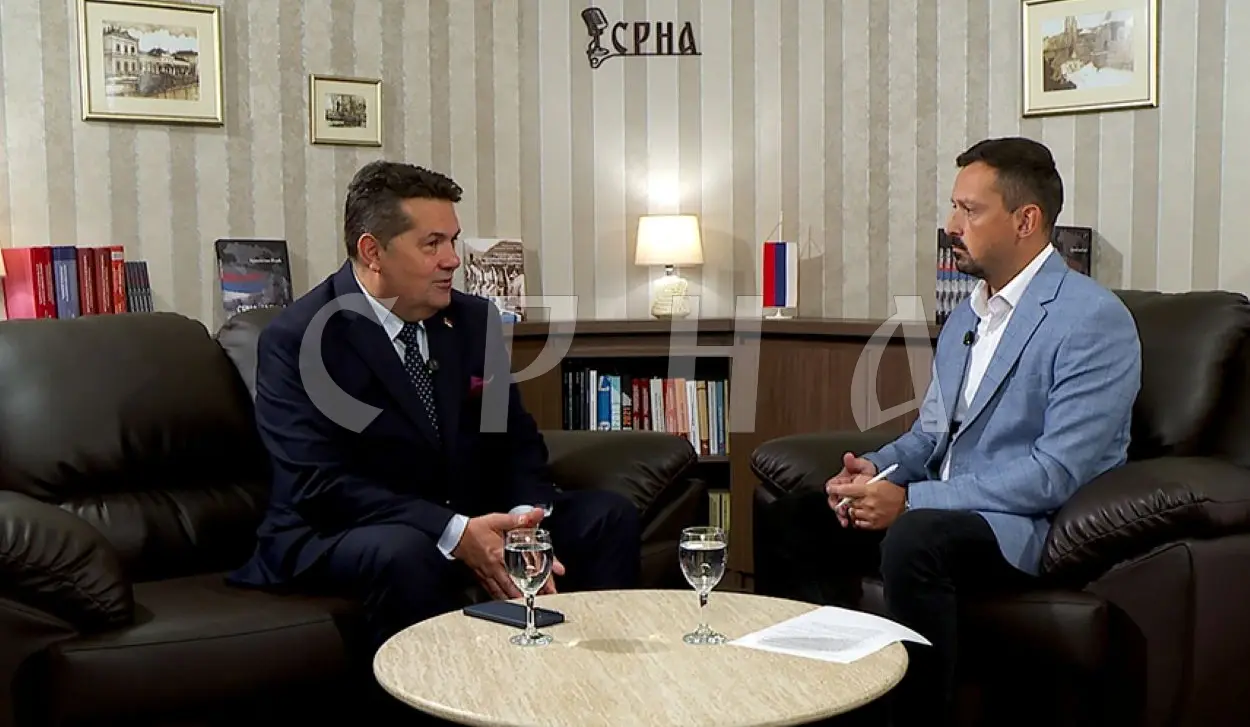
BANJALUKA, SEPTEMBER 5 /SRNA/ — The Speaker of the Republika Srpska National Assembly Nenad Stevandić argued that the current parliamentary term operated under extremely difficult and challenging circumstances, but managed to preserve the institutions of Republika Srpska and respond to numerous political and security pressures.
"I think the plan was to finish us off over these four years, to completely eliminate all those who have authority among the people, to decapitate Republika Srpska and create a situation in which Sarajevo would choose those who would be the most obedient," Stevandić said on a podcast produced by the Republika Srpska Media System - SRNA.
He stated that the project ended contrary to the expectations of those behind it, as the National Assembly withstood all the challenges and managed to preserve the institutions of the President and Government of Republika Srpska, which had been "the first targets."
"The National Assembly was the last target, and by bringing it down, Republika Srpska would have been de-institutionalized," Stevandić said.
ASSEMBLY ALWAYS A STEP AHEAD
He assessed that the proceedings against Republika Srpska President Milorad Dodik were part of an attempt to weaken the institutions of Srpska, describing them as a "rigged process" conducted through the abuse of powers by Christian Schmidt and the imposition of laws.
"As far as I am concerned, Dodik is still in office because he was elected by the people, not by the Court of BiH," Stevandić said.
He said attempts subsequently followed to challenge the legitimacy of the Republika Srpska Government, reminding that the National Assembly had elected Savo Minić as prime minister during that period and that his appointment was further reaffirmed to avoid potential pitfalls.
"They did not succeed in that either because, long before they could raise questions about it, the Assembly had already prepared new documents that they could not challenge. In other words, we were ahead of them and acted in advance rather than reacting after the fact," Stevandić stressed.
WE WILL WRITE ABOUT WHAT WE WENT THROUGH IN OUR MEMOIRS
He said that at one point, he, Dodik and then-Republika Srpska Prime Minister Radovan Višković were the subjects of arrest warrants, adding that Interpol determined that the matter amounted to political persecution.
"Then there were assassination attempts. There was an ambush intended to shoot at Dodik, Višković and myself. What we went through, we will write about one day in our memoirs," Stevandić says.
According to him, there were also attempts to provoke incidents that could have been used as grounds for intervention by EUFOR and foreign forces.
NO ONE GAVE US A CHANCE, BUT WE CAME OUT WINNERS
Stevandić said that, looking back at the parliamentary term as a whole, it could now be said that the National Assembly emerged victorious from the major political battle.
He said that, in the meantime, arrest warrants, indictments and US sanctions had been lifted, while Republika Srpska had maintained good relations with Russia, Serbia and neighboring countries.
"If I were to assess the term on that basis, I would say it was a major battle in which no one gave us a chance at the beginning, but when we came out of it, we came out as big winners," Stevandić emphasized.
Speaking about relations between the government and the opposition, Stevandić said he did not believe that all opposition lawmakers had a negative attitude toward the institutions of Republika Srpska.
He said representatives of the Serb Democratic Party /SDS/ and the Party of Democratic Progress /PDP/ had, on certain occasions, attended consultations when declarations and resolutions concerning Kosovo, the High Representative, the Office of the High Representative /OHR/ and the protection of Republika Srpska's vital national interests were on the agenda.
"Many people, and the vast majority of people from SDS and PDP, came to a meeting I called and I said: 'Folks, this is not an issue where someone wins or someone loses. Let’s reach an agreement,'" Stevandić said.
He stated he was proud that, despite political differences, there had been a willingness in parliament to discuss issues of importance to Republika Srpska.

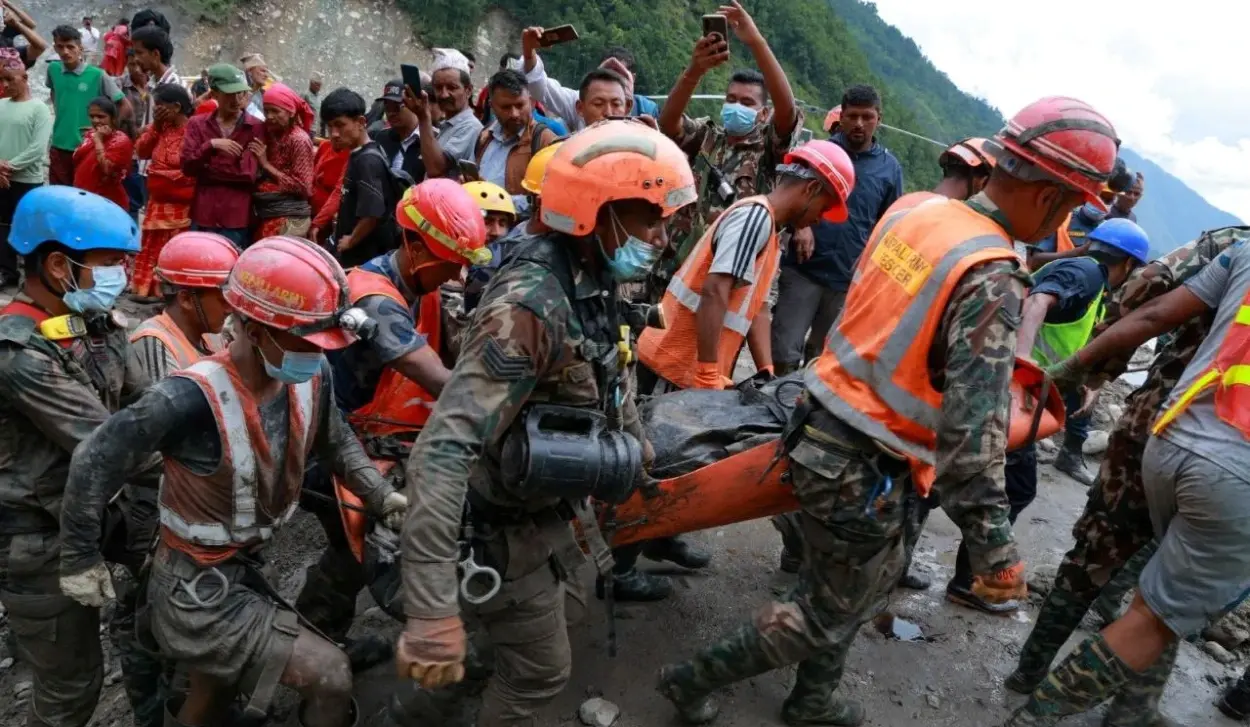
RESCUERS SAVE CHINESE WORKER FROM FLOOD-DAMAGED POWER PLANT
KORAĆ: BANJA LUKA TO BRING TOGETHER LEADING CYBERSECURITY EXPERTS ON SEPTEMBER 8
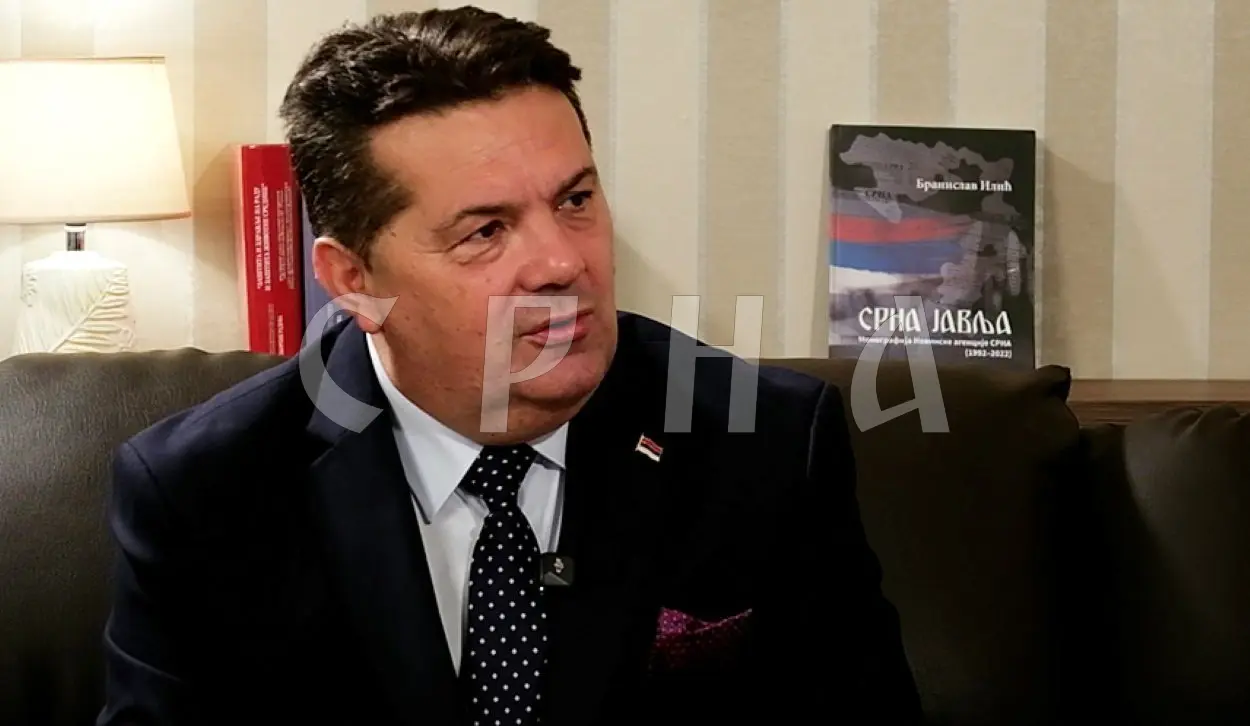
STEVANDIĆ: HYSTERIA OVER CRIMINAL COMPLAINTS PART OF CONTINUED ATTACK ON REPUBLIKA SRPSKA
STEVANDIĆ: NATIONAL ASSEMBLY WITHSTOOD PRESSURES AND PRESERVED SRPSKA INSTITUTIONS