KOŠARAC: ISTOČNO SARAJEVO’S DEMOGRAPHIC STRUCTURE MUST BE PRESERVED
Republika Srpska - local community
09/14/2026
14:46
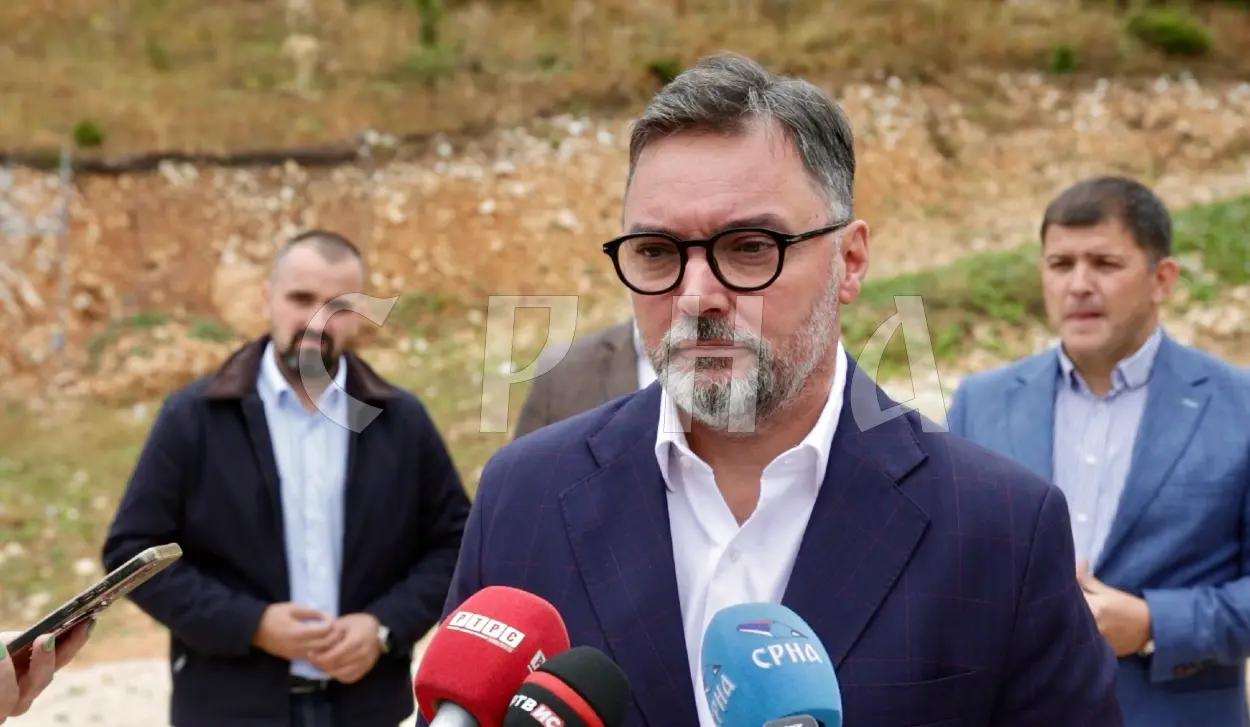
JAHORINA, SEPTEMBER 14 /SRNA/ - Minister of Foreign Trade and Economic Relations in the Council of Ministers, Staša Košarac, said that Istočno Sarajevo's demographic structure must be preserved, stressing that criticism from Sarajevo would not change his position on the need to bring order to housing construction in the city.
Speaking to reporters on Mount Jahorina, Košarac said that the intentions of those seeking to change the character of Istočno Sarajevo had been exposed and that his position on the matter was completely clear.
"We need to preserve Istočno Sarajevo in the form and on the scale in which we created it," Košarac said.
Košarac stressed that Istočno Sarajevo, an area that emerged as a result of the needs of the Serb people during the 1992–1995 period, has traditional and historical value that must not be forgotten.
He recalled the exodus of Serbs from Sarajevo, saying that the Serb people were killed, arrested, and expelled during the war, and asked why they are being denied the right today to choose where they want to live.
"How many Serbs have returned to Sarajevo? How many Serbian businesspeople are doing business in Sarajevo? How many Serbian businesspeople are building buildings in Sarajevo? Nobody is doing anything," Košarac said.
He stressed that preserving Istočno Sarajevo's demographic structure does not mean posing a threat to Bosniaks or any other ethnic group.
Commenting on the development of the municipality of Istočna Ilidža, Košarac criticised the policy of the local authorities led by the Serb Democratic Party /SDS/, saying that the local community had thrown its doors wide open to Sarajevo to move into Istočno Sarajevo.
Košarac said that certain issues could have been addressed in cooperation with Republika Srpska institutions, rather than making land available to investors from Sarajevo.
As an example, he cited the possibility of the local community and Republika Srpska institutions jointly building housing for young married couples and young doctors.
"That would be a much better national and patriotic policy than selling the land to Sarajevo businessmen, from which only those businessmen and certain individuals in Istočna Ilidža stand to benefit," Košarac said.
He added that consideration should also be given to where construction takes place, pointing to the questionable logic of intensive residential construction immediately alongside the inter-entity boundary line.
"Why do we need this kind of construction, where, in places where the boundary exists, there will practically be a division at balcony level? Why didn’t we develop other types of infrastructure there?" Košarac asked.
He stressed that he supports the development of Istočna Ilidža, but believes that development must be planned and in line with the long-term interests of the residents of Istočno Sarajevo.
Košarac said that development in that part of the city so far had been driven more by commercial interests than by strategic, development and infrastructure considerations.
He dismissed the criticism that followed his post about residential construction in Istočno Sarajevo and said that pressure would not change his position.
"Let them attack! I'm used to attacks!" Košarac said.

RELIABLE INFORMATION CRUCIAL TO FINDING MISSING PERSONS
ŠKRBIĆ RECEIVES RECOGNITION IN THE UNITED STATES FOR ACHIEVEMENTS IN SCIENTIFIC RESEARCH
ORBAN: COMMON FOREIGN POLICY MEANS GIVING UP SOVEREIGNTY
POLITICAL MADNESS FROM SARAJEVO MUST END, UNILATERAL BAN ON PM MACUT’S FLIGHT