DODIK: CRIME THAT WAS SUPPRESSED FOR 66 YEARS - STARI BROD IS OUR SACRED SITE
Republika Srpska - Stari Brod - culture of remembrance
05/29/2026
17:41

BANJA LUKA, MAY 29 /SRNA/ - President Milorad Dodik said in a statement to SRNA that the crime committed against Serbian civilians in Stari Brod and Miloševići was kept silent for 66 years, and that far too much time passed before the truth about one of the largest wartime atrocities in the Sarajevo-Romanija region emerged from the cold depths of the Drina River, which became the largest Serbian mass grave on the Orthodox holiday of Mladenci in 1942.
Dodik stressed that all those who sought the truth and punishment for the perpetrators of this monstrous and cowardly massacre after the Second World War were persecuted and imprisoned. The massacre, he said, was committed by the Ustasha forces of Jure Francetić against around 6,000 Serbian civilians, women, children and elderly people.
"By decision of the then communist authorities led by Josip Broz, all those who wanted the truth about Serbian suffering in Stari Brod and Miloševići to be revealed were sent to forced labor in Vojvodina simply because they demanded truth and justice", Dodik said in an interview with SRNA marking the 84th anniversary of the massacre in Stari Brod and Miloševići, where around 6,000 Serbian women, children and elderly people were brutally killed by the Ustasha forces.
He said this terrible truth had been suppressed for decades, hidden beneath a veil of enforced oblivion and shameful silence while the Drina carried the cries of Serbian martyrs.
"That was the so-called brotherhood and unity in which we naively believed, and because of which 1992 and the crimes committed against the Serbian people by our former neighbors were repeated. But the blood of martyrs does not remain silent forever.
Today, when we stand freely on our own land, when we have our homeland Republika Srpska and strong institutions, the truth has come to light. This is testified by the message engraved on the monument on the riverbank in Stari Brod: 'Forgive us, you who suffered here, because for 66 years we remained silent about you. Yet we did not forget you, because such wounds of the heart never heal. We forgave the criminals, may their faces remain dark before God’s light'!" Dodik stated.
He reminded that the suffering of the Serbian people in Stari Brod and Miloševići in the spring of 1942 represents one of the most tragic, painful and sacred chapters of Serbian history.
"It is not merely a place of unimaginable tragedy, but a shrine on the banks of the cold Drina, which that bloody year became a grave for more than 6,000 innocent Serbian souls, mostly women, elderly people and children from Sarajevo, Olovo, Kladanj, Pale, Mokro, Sokolac, Han Pijesak, Rogatica, Višegrad and other areas", Dodik said.
He reminded that in the spring of 1942, ten thousand Ustasha fighters departed from Sarajevo with the aim of expelling and killing the Serbian population, which fled along the Drina seeking refuge in Serbia.
"In Višegrad, the Italian army did not allow the people to cross the bridge, and the refugee convoy moved along the Drina toward the villages of Miloševići and Stari Brod, where there was a ferry crossing. The Ustasha caught up with the refugees and brutally killed around 6,000 Serbs", Dodik noted.
Fleeing from what he described as the brutal blade of Jure Francetić’s "Black Legion", hoping to find salvation in Serbia where they believed freedom and brotherhood awaited them, they instead found themselves trapped against the swollen and merciless river, which ultimately became their only escape - not into life, but into death.
"And in those horrific moments, choosing between the Ustasha knife and the Drina, our people chose to leap into the river, demonstrating the highest Serbian virtues - pride and martyr-like heroism", Dodik stressed.
He reminded of testimony from survivors stating that 362 Serbian girls and young mothers, looking executioners in the eyes and refusing to fall into the hands of those who would violate their dignity and honor, joined hands and deliberately jumped into the icy Drina.
"Mothers threw their children into the river and jumped after them, saving both themselves and their children from the Ustasha knife. They chose death in the river’s waves rather than slavery, humiliation, torture and rape, thereby entering the eternal book of Serbian immortals. That act was not merely a cry of despair, but the ultimate sacrifice for honor, faith and the Serbian people. It is also a historical lesson to all of us, especially to our executioners, about how unconquerable the Serbian soul remains even in moments of hopelessness and suffering", Dodik said.
He assessed that Stari Brod and Miloševići are not only places of mourning, but also holy places, an eternal warning to the Serbian people and a symbol of their indestructible roots.
"As long as the Drina flows and as long as a single Serbian heart beats, we will preserve the memory of their innocent sacrifice, proud of their purity, dignity and courage, and determined never again to allow our people to be led to slaughter. Eternal glory and gratitude to them for illuminating our proud path through history with their martyrdom and honor!
And as our great Matija Bećković said: 'Stari Brod is a Titanic no one knows about, even though more people drowned in the Drina than on that ship in the Atlantic Ocean that the entire world knows about'. That sentence clearly tells us we must speak, write and remember. If we stop speaking, writing and remembering, we will be no better than those who committed the crimes. By forgetting, we kill the victims of our own people once again, which is an even greater crime. Therefore - remember and never forget,” Dodik said.

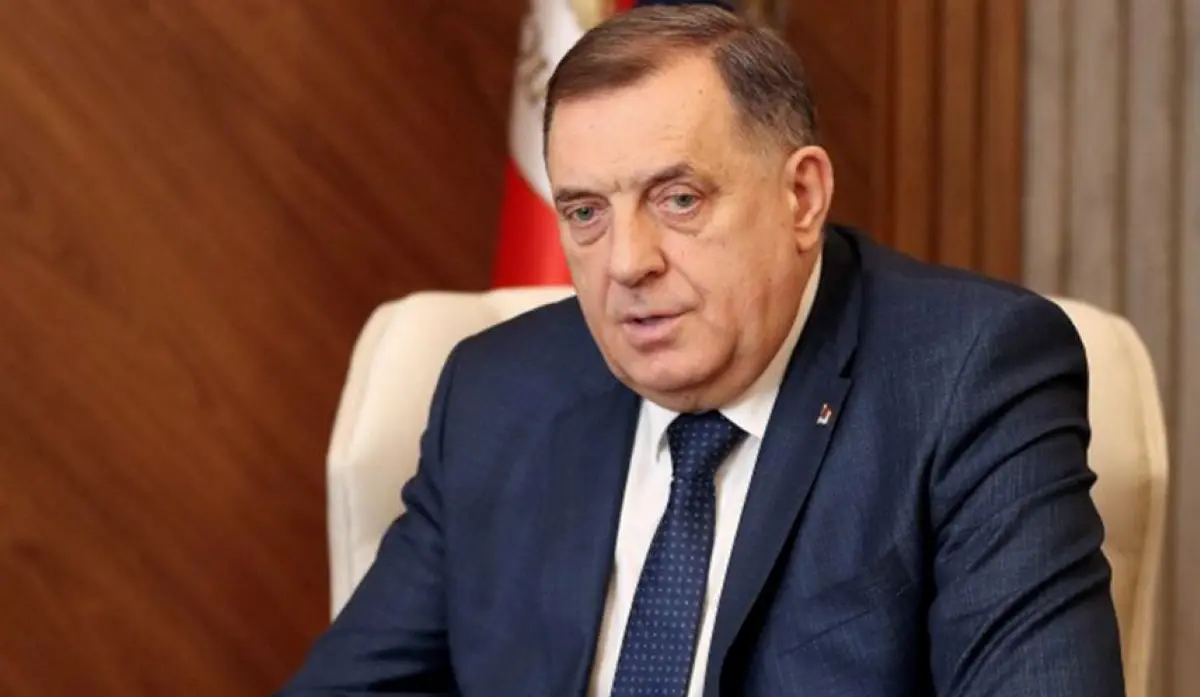
DODIK: FLIGHT BAN FOR PRIME MINISTER MACUT - ATTACK ON ALL SERBS

OFFICE WORKERS INCREASINGLY BRING LUNCH FROM HOME TO SAVE MONEY
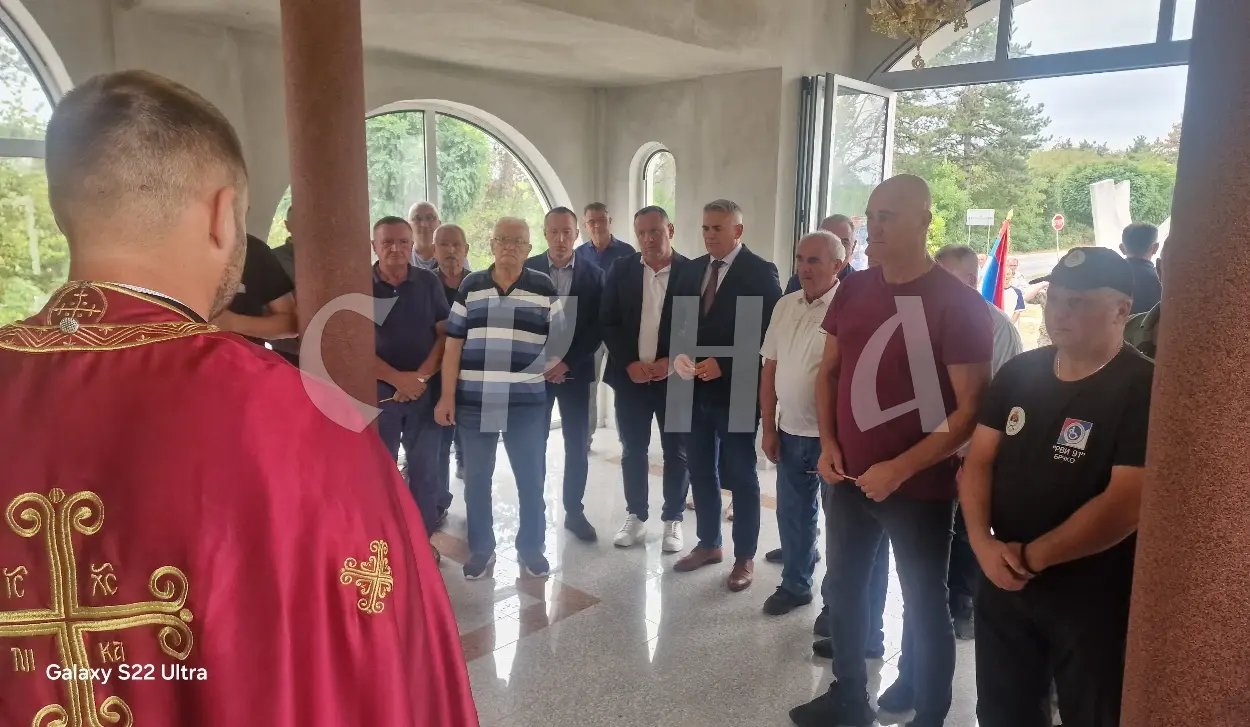
MILIĆ: BUKVIK - ONE OF LARGEST SITES OF MASS KILLINGS OF SERBS
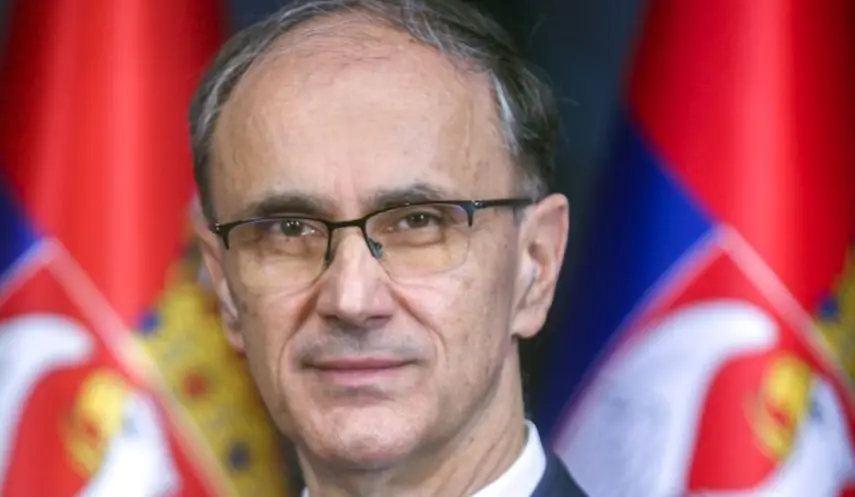
MACUT: FLIGHT BAN IS REGRETTABLE, WILL NOT PREVENT ME FROM COMING TO BANJA LUKA