VERITAS: 35 YEARS SINCE THE SUFFERING OF SERBS IN EASTERN BILOGORA AREA
Croatia - war crimes - operation Otkos 10
10/31/2026
11:49

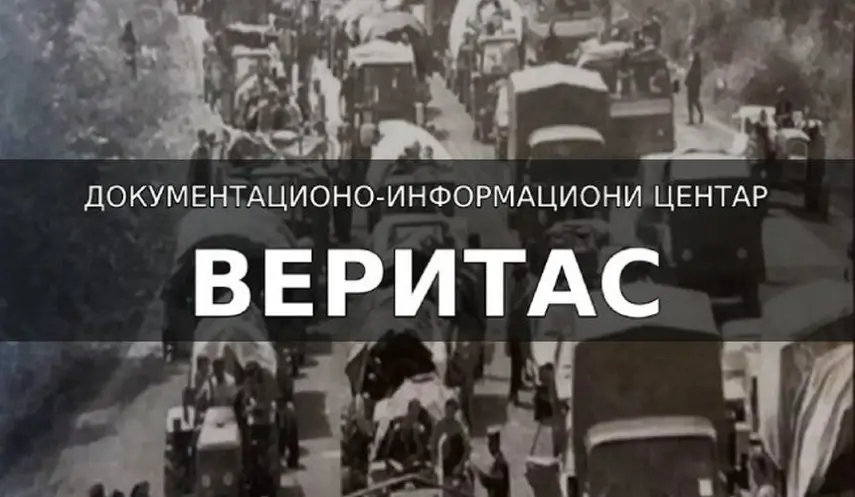
BELGRADE, OCTOBER 31 /SRNA/ - Thirty-five years have passed since the beginning of the expulsion of Serbs from the Eastern Bilogora area, and only one member of the Croatian forces has been held accountable for the killing of 64 people, including 41 civilians, as well as the ethnic cleansing of the area, the Veritas Documentation and Information Centre said today.
The Croatian paramilitary operation codenamed Otkos 10 began on October 31, 1991, with an attack on the Territorial Defence forces in Grubišno Polje. Within two days, 4,000 people were expelled from 38 settlements.
The refugee convoy heading towards BiH, where they found shelter, also included 250 Croats, Czechs, Hungarians and Roma.
Following the withdrawal of Serbs from Eastern Bilogora, killings of the remaining residents, looting, arson and the demolition of houses with explosives followed, including in villages where there had previously been no resistance.
During these operations, significant Orthodox churches were also destroyed. They were unique cultural monuments under UNESCO protection.
The wooden churches built in the Bilogora architectural style were completely burned down: the Church of St. Demetrius in Rastovac, built before 1700, and the Church of the Dormition of the Most Holy Theotokos in Donja Rašenica, built in 1709.
A total of 64 people have been killed in the Eastern Bilogora area since 1991, most of them ethnic Serbs or individuals connected to Serb families.
Among those killed were 41 civilians, 18 of whom were killed before the launch of Operation Otkos 10 as part of an intimidation campaign, and 21 were members of the Territorial Defense forces.
The search for the remains of 16 missing persons is still ongoing.
To date, the only person to have faced justice for crimes committed against Serbs in this area is Veljko Marić, a member of the Croatian National Guard /ZNG/ from Grubišno Polje.
The War Crimes Chamber in Belgrade sentenced him to 12 years in prison for the murder of civilian Petar Slijepčević, 65, on October 31, 1991, in his family home in the village of Rastovac.
While Marić was serving his sentence, a new investigation was launched against him in Serbia on suspicion that he had killed Mićo Vasiljević and Vladimir Kučera in September 1991, and captured and tortured Zvjezdan Mačak.
In June 2015, before this investigation was completed, Marić was transferred to Croatia, with the Croatian side formally undertaking to continue the criminal proceedings initiated in Serbia.
To date, there has been no confirmation that the Croatian judicial authorities have acted on this commitment.
Meanwhile, in March 2016, the Bjelovar Municipal Court issued a final ruling awarding the wife and son of the murdered Slijepčević approximately 50,000 euros in damages and 7,000 euros in legal costs.
The consequences of the crimes committed in October 1991 are best illustrated by the demographic changes in this area.
Before the Second World War, around 18,000 ethnic Serbs lived in Eastern Bilogora.
According to data from the Metropolitanate of Zagreb and Ljubljana, only 1,170 Serbs remained in the area in 2005, most of them elderly. According to the official 2021 census, that number had fallen to fewer than 1,000.