ŠTRBAC: CROATIA DISTORTS MISSING PERSONS DATA TO "CLEANSE" ITS WARTIME RECORD
Region - Veritas
06/16/2026
10:08
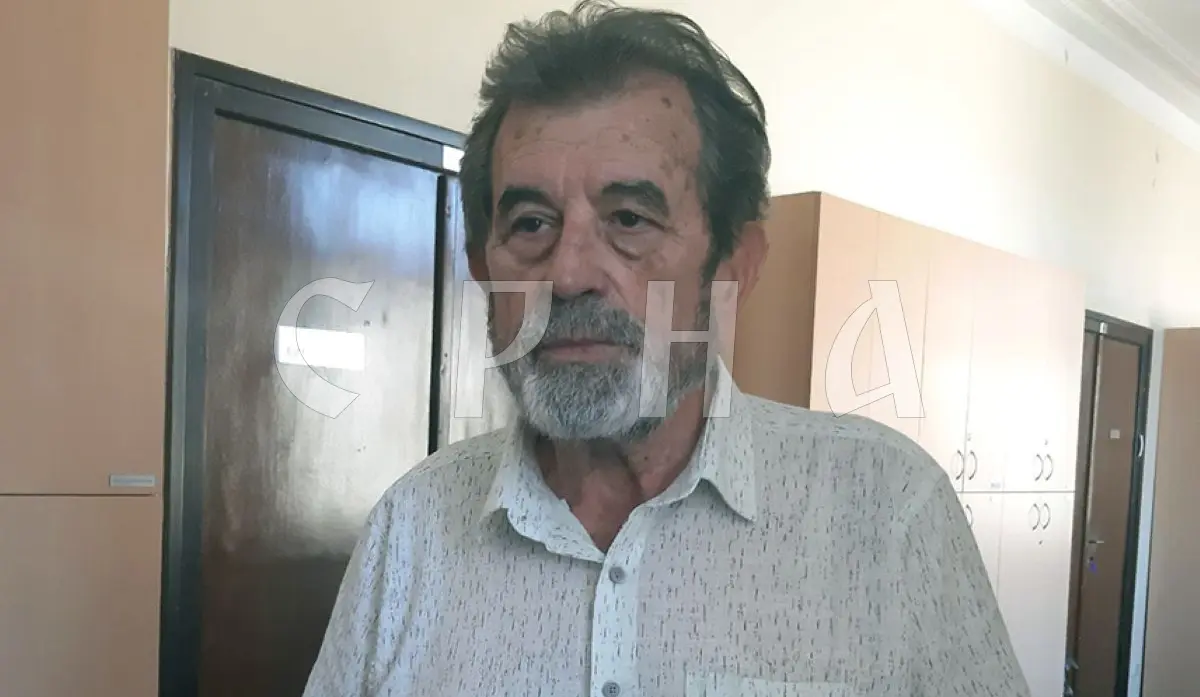
BELGRADE, JUNE 16 /SRNA/ – Croatia uses every opportunity to accuse Serbia of failing to locate persons missing from the wars of the 1990s and manipulates the figures in order to create the impression that Serbs not only had no civilian victims, but were responsible for killing civilians, while Croats allegedly complied with all Geneva Conventions, Savo Štrbac, director of the Veritas Information and Documentation Center, said in a statement to SRNA.
Štrbac was commenting on renewed accusations against Serbia made by Croatia's representative during the UN Security Council session on the work of the Hague Mechanism held in New York on June 12, where he stated that no progress had been made in locating 1,725 people still missing from the wars of the 1990s due to Belgrade’s lack of cooperation.
"That is the official position of Croatian policy. All their officials use every opportunity to accuse Serbia of allegedly concealing information in its archives about the locations of mass graves", Štrbac said.
He noted that the Croatian representative failed to mention that the list of 1,725 missing persons would be cut in half if Croatia identified more than 800 exhumed bodies still awaiting identification in Zagreb and exhumed more than 200 known burial sites.
Those burial sites were reported by Serb family members who secretly buried their loved ones after Operations Flash and Storm. In Veritas terminology, they are known as "garden graves" because the victims were buried hastily, often in gardens where the soil was easiest to dig.
"Croatia refuses to exhume even those graves that its own commissions acknowledge were used for burials because it does not know what to do with the 800 bodies it has already exhumed but not identified", Štrbac said.
ABOUT 1,460 SERBS STILL MISSING IN CROATIA
Regarding the figure of 1,725 missing persons, Štrbac explained that it represents the remainder of a list of 2,200 names published in 2015 by the International Committee of the Red Cross, in cooperation with the commissions for missing persons of Croatia and Serbia.
According to him, Croatia gradually reduced that number as remains were found, identified and returned to families, but more Serbs than Croats have been identified among those cases.
Štrbac said that of the 1,725 persons still listed as missing by Croatia, between 900 and 1,000 are Serbs. When names from Veritas records that were not included on the ICRC list are added, the total number of Serbs still considered missing in present-day Croatia rises to around 1,460.
The discrepancy exists because the ICRC recognized only cases reported by close family members when compiling its list in 2015.
CROATIA PRESENTS ALL MISSING PERSONS AS CROATS
Štrbac said Croatia manipulates the missing persons list in several ways, including presenting all of them as victims of the Homeland War without disclosing the ethnicity of those identified, thereby creating the perception that all victims were Croats.
"If the public knew that most of the people on the list were Serbs, Croatian politicians would not be able to maintain that narrative. When identifications are made, they do not disclose ethnic affiliation, and ordinary people, influenced by their media, assume that all victims of the Homeland War were Croats", Štrbac said.
He believes the ultimate goal is to "cleanse" Croatia’s wartime record.
"They create the impression that Serbs had no victims, while Croats supposedly respected all Geneva Conventions during those operations, unlike the Serb Chetniks, who killed civilians", Štrbac concluded.
Standing in the way of such efforts, he said, is Veritas, which has spent years collecting, verifying and supplementing data on Serb victims, striving to ensure that every victim has a name, surname and biography.
"That is why Veritas and I have such a bad reputation in Croatia - because we work with the lists, analyze them and because we brought their officers before international courts", Štrbac said.