PRAYER SERVICE HELD FOR CHILD VICTIMS OF USTASHA CAMPS JASTREBARSKO AND SISAK
Serbia - SOC
07/13/2026
12:16
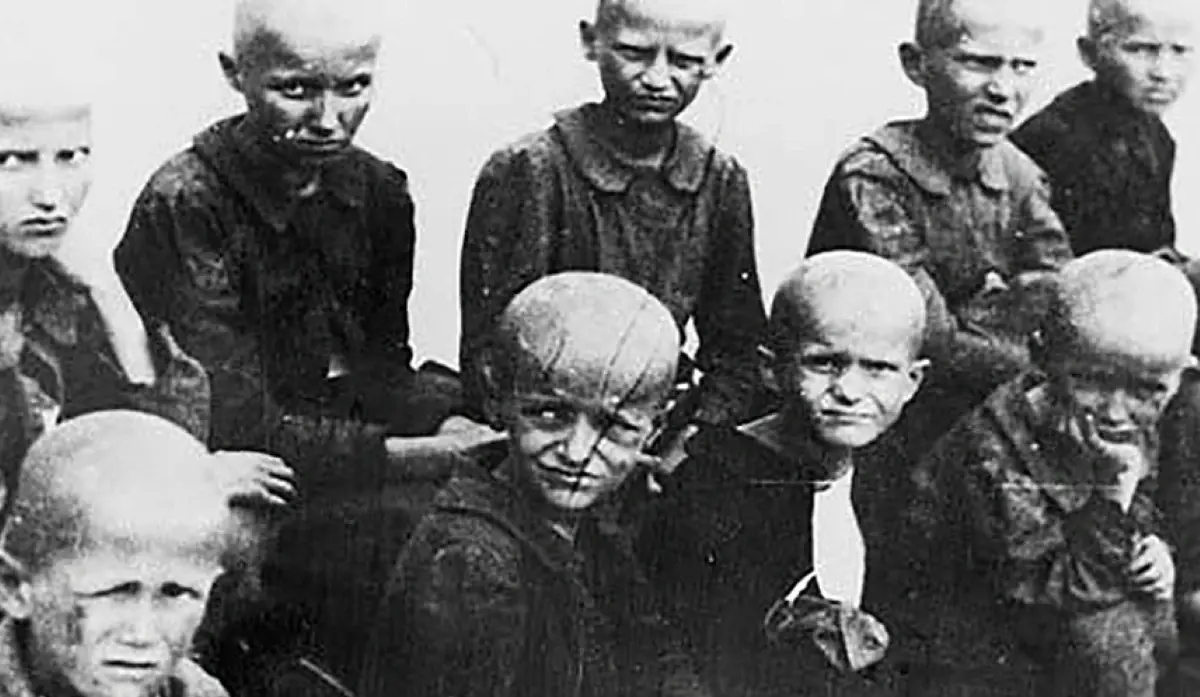
BELGRADE, JULY 13 /SRNA/ – The Serbian Orthodox Church /SOC/ today commemorates the Holy Children Martyrs of Jastrebarsko and Sisak, victims of what the Church describes as the genocide against the Serbian people in the Independent State of Croatia /NDH/ during World War II who were added to the Church's calendar of saints by a decision of the Holy Assembly of Bishops in 2022.
To mark the occasion, the SOC republished a text by Deacon Budimir Kokotović, originally published in the Church Calendar for 2023, reminding of the suffering of Serbian children in the NDH.
The children's camp at Jastrebarsko, near Karlovac, was one of several camps established for Serbian children in the NDH. Officially described as a "Reception Centre for Refugee Children," it was founded by the NDH Ministry of Social Welfare. Kokotović writes that its purpose was to gather children from other camps and raise them in the Ustasha ideology, drawing a comparison with the Ottoman Janissary system.
Published sources cited in the article state that the first transport of children left Zagreb on July 11, 1942, arriving in Jastrebarsko several days later. The children's camp at Sisak opened on Aug. 3, 1942, when 1,300 children were transferred there from the Mlaka and Stara Gradiška camps.
By the end of October 1942, more than 7,000 Serbian children from Kozara, Banija, Lika, Kordun and Slavonia had been brought to Sisak in several transports.
Kokotović says one of the most harrowing surviving documents about the deaths of children at Jastrebarsko is the notebook of local cemetery caretaker Franjo Ilovar.
Following official orders, Ilovar buried the children and kept a diary recording the burials.
According to his notes, the children's bodies were packed into boxes and crates, which were forced shut to fit as many bodies as possible, with as many as 10 children placed in a single crate.
"Franjo Ilovar's notebook is the saddest witness to the suffering of children in this Ustasha camp. The cemetery caretaker calculated his `working days` in `kuna` and `pieces,` while the invoices were certified by Sister Gaudiencija," Kokotović stated.
Researcher Dragoje Lukić, who reproduced the notebook in his books, recorded that its first page states that 107 children were buried on July 22, 1942, with a receipt showing payment of 10,000 kunas for "digging graves for one hundred buried children". Another entry reads: "Burial account – 243 children × 150 kuna = 36,450 kunas."
From July 22 to Aug. 11, 1942, Ilovar recorded daily how many boys and girls were buried, marking each death with a tally.
Kokotović stresses that 3,336 children, mostly Serbian and including more than 2,000 from Kozara, passed through the Jastrebarsko camp between July 11 and Aug. 26, 1942.
"In less than a month and a half, 768 children, aged from several months to 14 years, were 'officially' killed in this camp. The memorial monument lists 468 child victims, but the full truth may never be known," Kokotović points out.
The Fourth Kordun Brigade of the Yugoslav Partisan Army captured Jastrebarsko on Aug. 26, 1942, after which the camp was closed. Brigade commander Nikola Vidović wrote that 727 children were found alive in the camp.
The Sisak children's camp was closed on Jan. 8, 1943.
The first icon of the Holy New Martyr Children of Jastrebarsko was painted by the nuns of the St. Basil of Ostrog Monastery in Bijeljina in 2021 and was presented by Bishop Fotije of Zvornik-Tuzla to the Upper Karlovac Diocese.
The child martyrs of Jastrebarsko and Sisak were entered into the Serbian Orthodox Church's calendar of saints at the initiative of Bishop Gerasim of Upper Karlovac