LINTA: EXPULSION AND KILLING OF SERBS IN WESTERN KRAJINA ONE OF GREATEST TRAGEDIES
BiH - atrocities against Serbs
09/12/2026
14:20
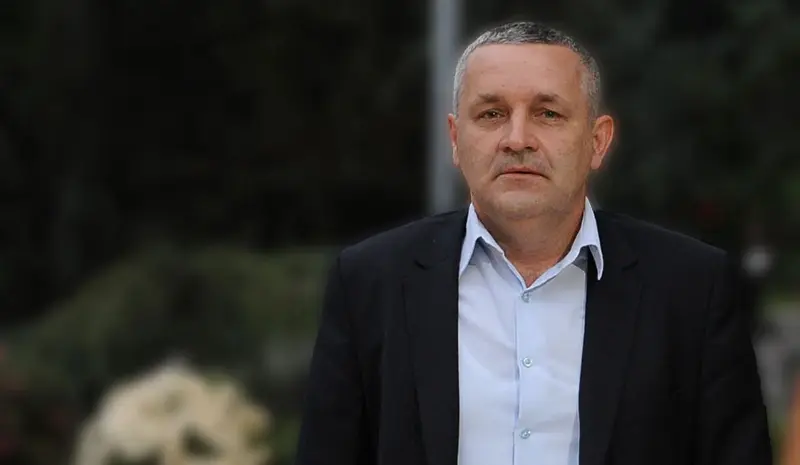
BELGRADE, SEPTEMBER 12 /SRNA/ – The expulsion of 150,000 Serbs from 13 municipalities in western Krajina and the killing of more than 2,000 people 31 years ago was a major crime and one of the greatest tragedies to befall the Serb people in the 1990s, Miodrag Linta, president of the Association of Serbs from the Region, emphasized.
Linta said the scale and consequences of the crime were comparable to those of the atrocities committed against Serbs from Upper Krajina during the Croatian military operation "Storm."
"During the Croatian and Muslim forces' operations 'Maestral,' 'Sana 95' and 'Southern Move' from September 12 to October 10, 1995, the Serb population was subjected to ethnic cleansing and mass crimes across 11 municipalities in western Krajina - Šipovo, Drvar, Donji Vakuf, Jajce, Petrovac, Ključ, Krupa na Uni, Ripač, Kupres, Mrkonjić Grad and Sanski Most," Linta said.
He noted that Croatian forces had seized Grahovo and Glamoč in late July 1995 during the "Summer '95" operation, resulting in further suffering and displacement of the Serb population. The largest were in Mrkonjić Grad, where 181 Serb soldiers and civilians were killed, and, the Association of Serbs from the Region said.
"Thirteen detention camps and 21 mass graves have been documented in western Krajina. The largest were in Mrkonjić Grad, where 181 Serb soldiers and civilians were killed, and at Kamen near Glamoč, where 108 Serb soldiers and civilians were killed," Linta reminded.
He added that one of the most horrific crimes took place in Bravnice near Jajce on September 13, 1995, when members of the Croatian Army killed 81 Serb civilians, mostly women, children and elderly people.
"It is tragic that no one has been held accountable for the mass and brutal crimes against Serbs in the 13 municipalities of western Krajina, despite the fact that those who ordered and carried them out are known," Linta stressed.
According to him, Serb homes, apartments, schools and factories were systematically looted during and after the offensive, while Serb property and public infrastructure were systematically destroyed.
Linta said Serbia's War Crimes Prosecutor's Office had an obligation to launch investigations and, where sufficient evidence exists, bring charges over the mass crimes committed against Serbs in western Krajina.
He also said Serbia must undertake a systematic effort to establish the truth about the suffering of the Serbian people and establish a Memorial Centre for Serbian victims in the territory of the former Yugoslavia, in order to preserve the memory of those killed and expelled and present their suffering to the domestic and international public.
Linta believes the Serbian Government should provide greater assistance to the remaining Serbs in western Krajina, who he said were living in difficult conditions.
"Concrete measures and activities are needed to restore roads and homes, resolve electricity and water supply issues, improve healthcare, ensure schooling for Serb children in the Serbian language, and support projects in agriculture, livestock farming and crafts, as well as the opening of small production facilities," Linta concluded.

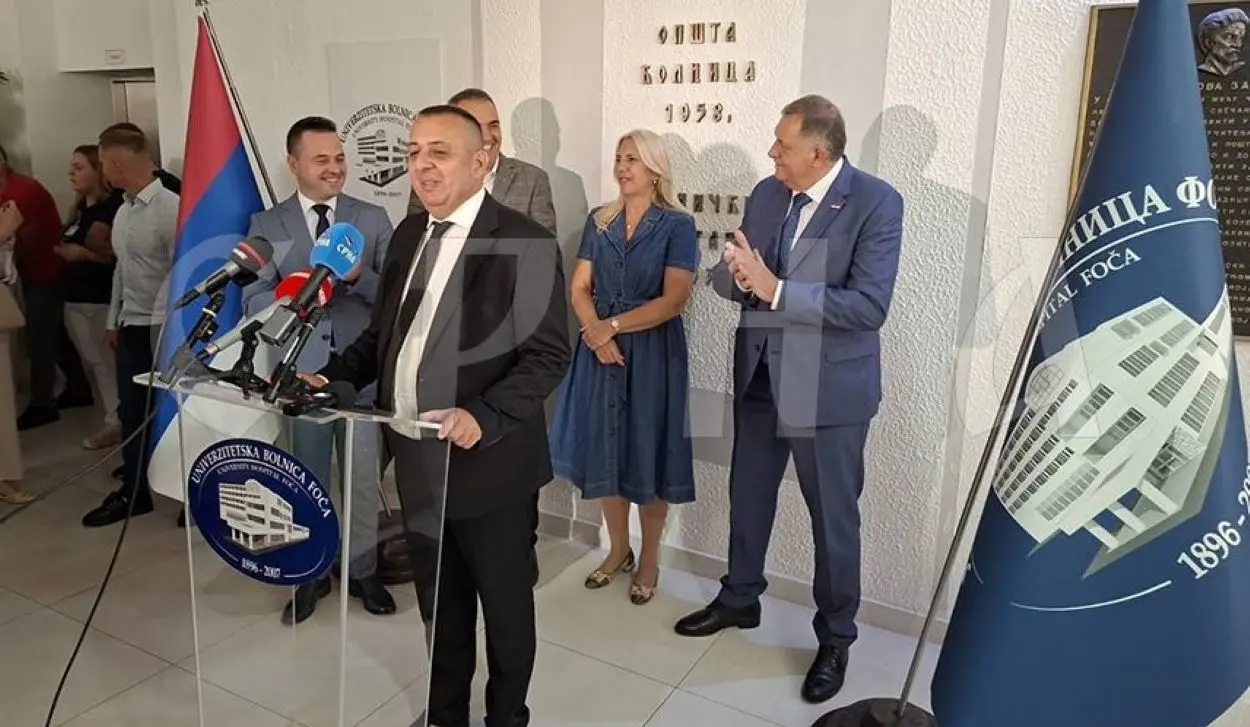
LALOVIĆ: BAM 30 MILLION BEING INVESTED IN MEDICAL EQUIPMENT AT UNIVERSITY HOSPITAL

DODIK: FOČA UNIVERSITY HOSPITAL SHOULD BE DEVELOPED INTO CLINICAL CENTRE

BRICS LEADERS RAISE CONCERNS OVER GLOBAL POLARIZATION

PUTIN URGES EXPANSION OF UN SECURITY COUNCIL