DODIK: DID CEC AND SCHMIDT TAKE ALL INTO ACCOUNT REGARDING OPTICAL SCANNERS WHEN DECIDED TO JOIN US WITH PHILIPPINES, MONGOLIA, KYRGYZSTAN AND IRAQ
BiH - elections - op-ed
08/24/2026
13:42
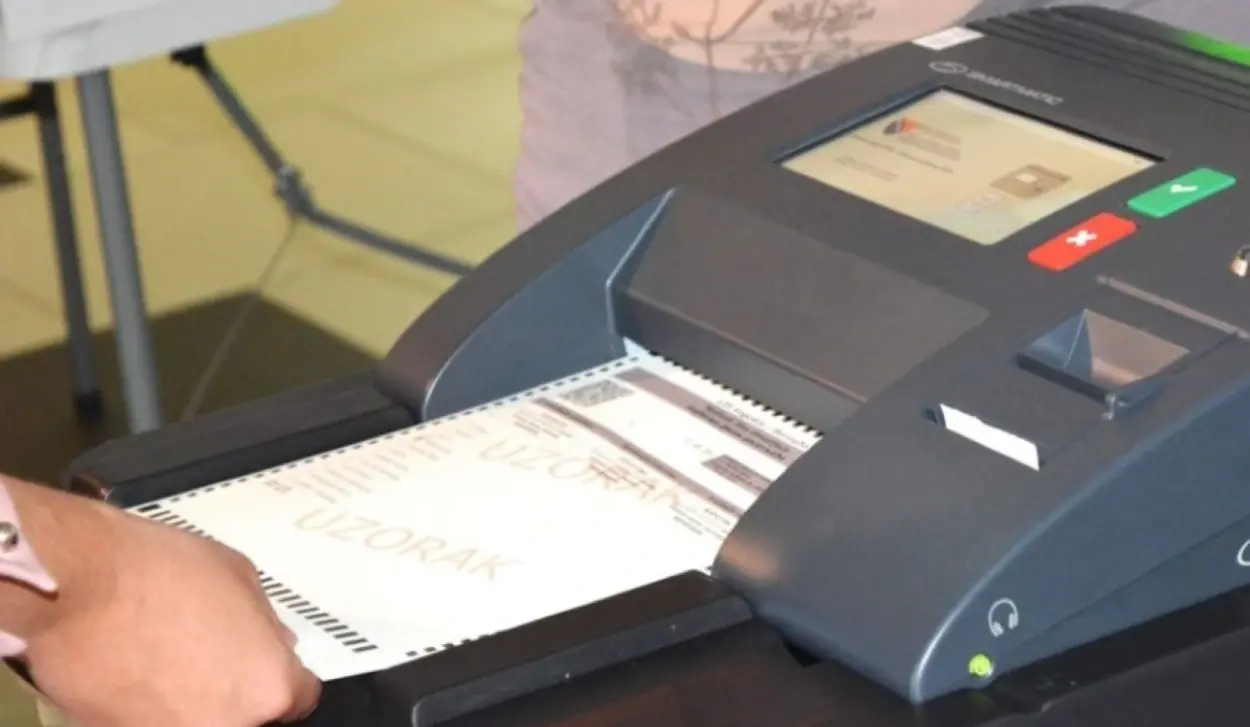
BANJA LUKA, AUGUST 24 /SRNA/ - The system with optical scanners during voting, such as the one introduced in BiH, is only used in the Philippines, Kyrgyzstan, Mongolia, and Iraq, and only voters in BiH will receive four separate ballots, each of which they will individually insert into the scanner, proportionally increasing the possibility of technical errors, problems and the risk of compromising the secrecy of the vote if the ballots are turned incorrectly, President Milorad Dodik pointed out.
"All this makes BiH a unique case in the world when it comes to the application of electoral technologies," Dodik stated in an op-ed for the Media System of Republika Srpska - SRNA, which we publish in full:
In 2009, the Federal Constitutional Court of Germany ruled that the use of electronic voting devices was not in accordance with the constitutional principle of the public nature of elections, because voters without special technical knowledge could not reliably verify the key steps of voting. After a bad experience in 2005, Germany returned to classic voting using paper ballots and manual vote counting.
The Netherlands and Ireland also abandoned the devices, returning to manual vote counting as well, because there was insufficient certainty that the system's reliability and the secrecy of the vote were ensured.
In 2008, France banned the further introduction of electronic voting devices to municipalities that had not used them up to that point. Today, approximately three percent of the French electorate has the option to vote on such devices, while paper ballots are used for the vast majority of voters.
When it comes to other EU members, Malta and Latvia use the optical scanning of paper ballots, but following a procedure that significantly differs from the system introduced in BiH. Namely, voters vote in the classic way and have no direct contact with the scanners. After the end of election day, sealed ballot boxes are transported to a central location for vote counting, where members of the election commissions open the boxes and scan the ballots.
Regardless of the fact that voters do not have direct contact with the scanners, Latvia experienced many technical problems during the 2025 local elections, leading to a mandatory switch to manual counting in many places.
The system with optical scanners such as the one introduced in BiH is only used by the Philippines, Kyrgyzstan, Mongolia, and Iraq.
One of the key differences is the number of ballots. Voters in Mongolia, the Philippines, and Iraq have a single, unified ballot, whereas in Kyrgyzstan they receive two separate ballots.
Only voters in BiH will receive four separate ballots, and they will insert each one individually into the scanner. This proportionally increases the possibility of technical errors and problems, as well as the risk of compromising the secrecy of the vote if the ballots are turned incorrectly. All this makes BiH a unique case in the world when it comes to the application of electoral technologies.
When we look back at the experiences of the mentioned countries, we encounter interesting examples. During the 2024 parliamentary elections in Mongolia, the OSCE, among other things, recorded the following problems related to the application of election technology:
1. In a certain number of cases, the secrecy of the vote was compromised because some voters inserted ballots into the scanner face up;
2. Regulations did not clearly enough define the procedure in the event of a discrepancy between electronic and manual counting results;
3. In about 14 percent of observed polling stations, cases of fingerprint reading problems were recorded.
4. In the Philippines, this voting system with optical scanners had the following problems:
5. Jamming and rejection of ballots;
6. Overheating and the need to replace devices;
7. Long lines at places where technical problems occurred;
8. Cases where voters left the ballot for the commission to scan later;
9. The appearance of ink smudges on the ballots.
In Kyrgyzstan, during the 2021 parliamentary elections when these scanners were used, the OSCE recorded the following problems:
1. Occasional technical failures of scanners and biometric voter identification devices;
2. Certain polling boards simply copied the results from the scanner into the minutes without the prior, prescribed manual count;
3. Discrepancies between the number of issued and unused ballots and the number of ballots in the ballot boxes;
Counting was negatively assessed in more than a third of the observed cases because the commissions did not properly conduct independent manual control.
The OSCE also observed the early parliamentary elections in Kyrgyzstan in 2025, and one of the conclusions was that trust in the election process was diminished due to the insufficient transparency of the technology.
Among the problems recorded in 2025 were:
1. There was no independent certification of devices or independent testing;
2. In more than 30 percent of observed cases, scanners were connected to the network prematurely during voting, even though data transmission was scheduled for after the closing of polling stations;
3. There were technical problems with the scanners, as well as with internet connections at polling stations;
The biggest problem occurred after voting – commissions did not perform the mandatory manual count, but instead just copied the results from the scanners into the minutes.
At the 2021 parliamentary elections in Iraq, the EU observer mission recorded breakdowns of certain optical scanners, problems with the electronic transmission of results from thousands of polling stations, insufficient public availability of data regarding the certification and audit of the electronic system, as well as a lack of manual verification of ballots that the scanners declared invalid.
Did the CEC of BiH and Schmidt take all of this into account when they decided to join us with the Philippines, Kyrgyzstan, Mongolia, and Iraq?

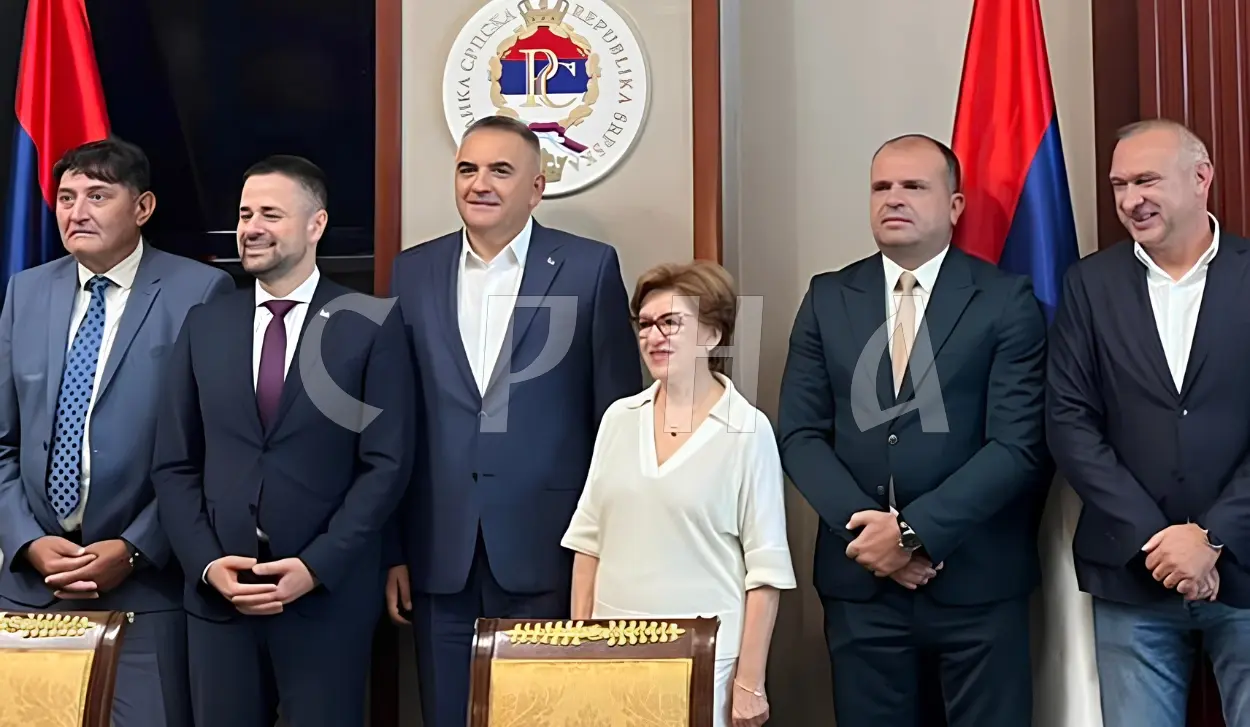
VIDOVIĆ: GRANT FUNDS FOR 15 LOCAL COMMUNITIES IN LINE WITH INDIVIDUAL PROJECTS’ VALUE
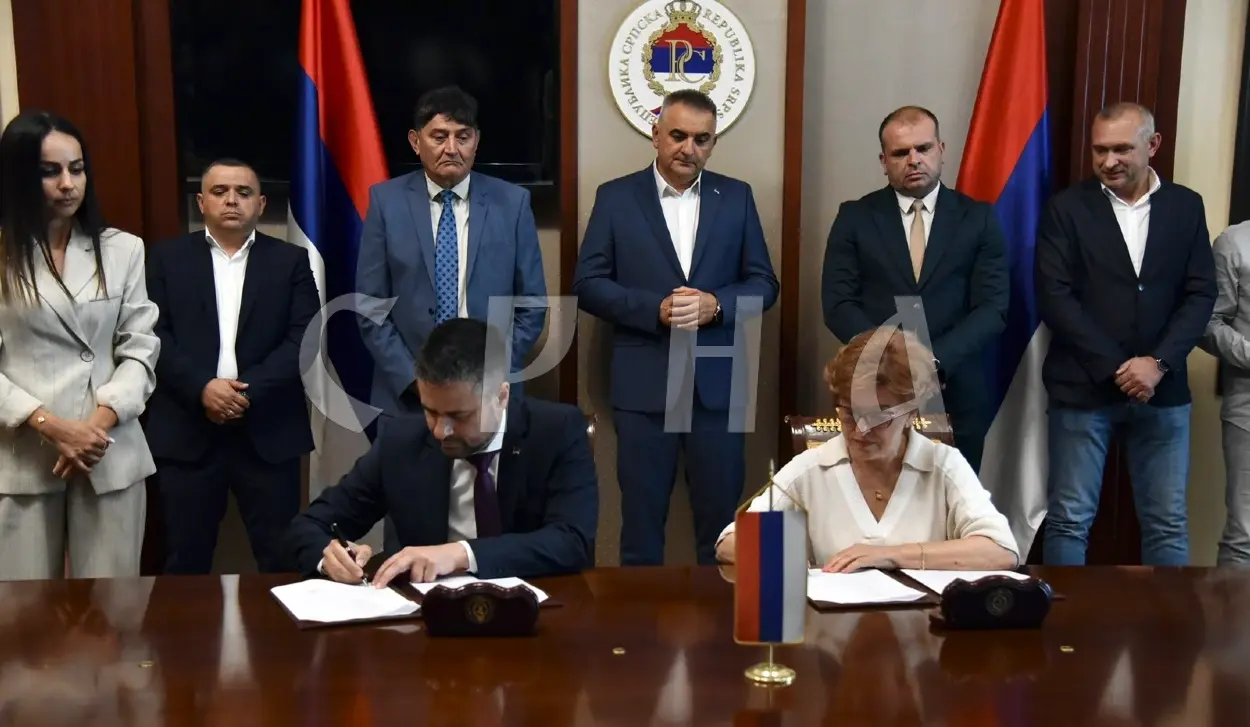
AGREEMENT SIGNED FOR WATER AND SANITATION PROJECT

KOVAČEVIĆ: MURPHY IS JUST LEISURELY RETIREE, WHILE DODIK HAS REMAINED AND WILL REMAIN KEY POLITICAL FIGURE IN SRPSKA AND BiH
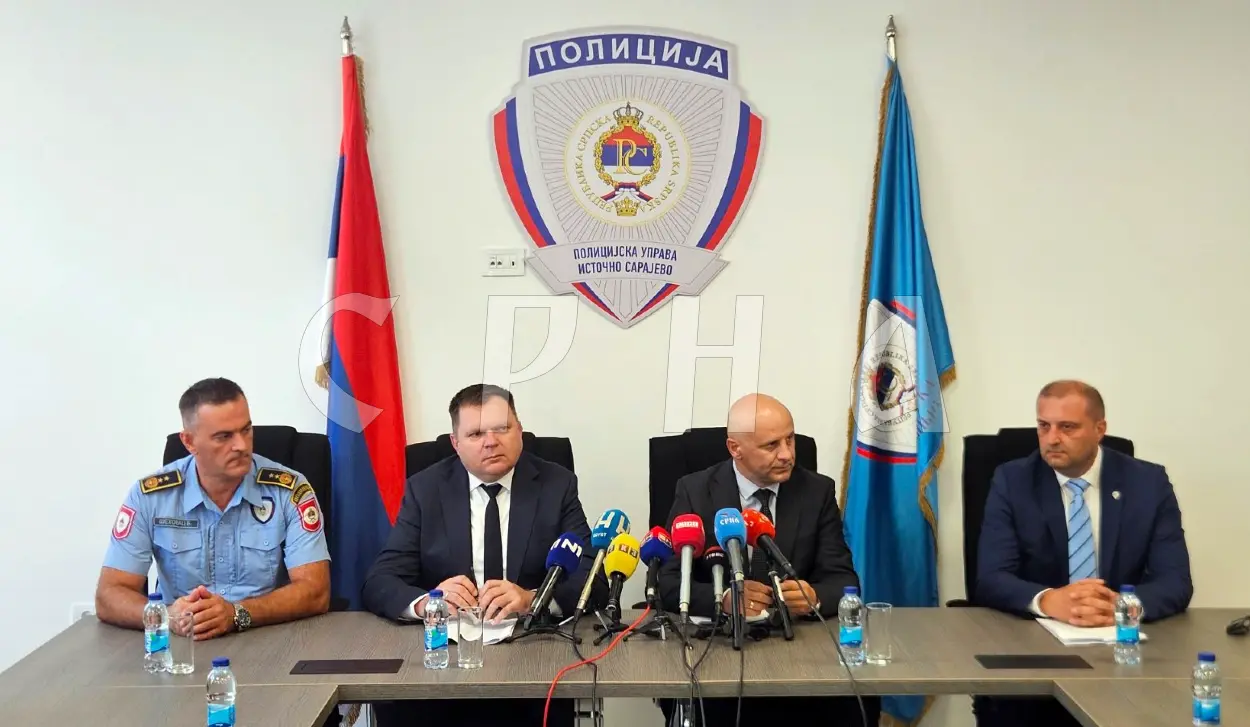
BUDIMIR: WE HAVE INFORMATION THAT ŽDRALE IS IN FBiH