YUKIO MISHIMA COMMITTED RITUAL SUICIDE
World - writer - anniversary
11/24/2026
09:57

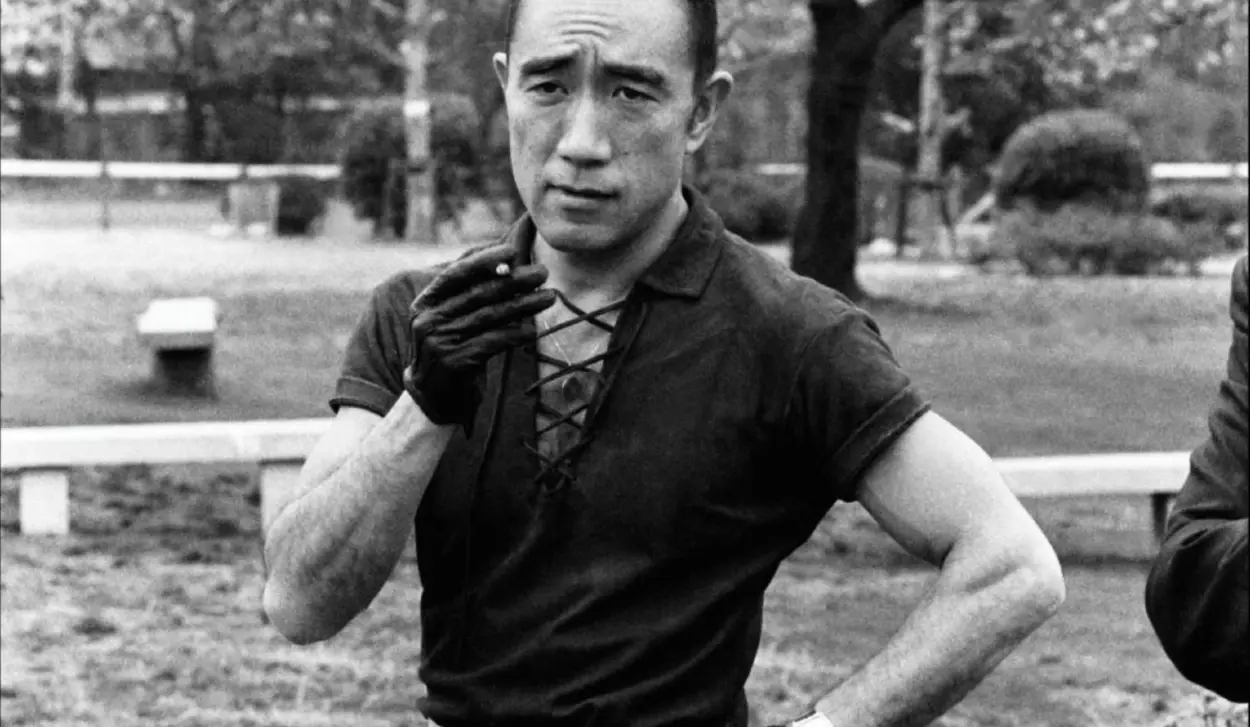
BIJELJINA, NOVEMBER 24 /SRNA/ - Yukio Mishima /1925-1970/, the renowned Japanese writer, actor and classic of world literature, committed public ritual suicide by seppuku on November 25, 1970, in protest against the Westernization of Japan and out of loyalty to the Japanese imperial tradition.
Seppuku /or hara-kiri/ did not involve killing oneself outright, but inflicting fatal wounds by stabbing a dagger into the lower left side of the abdomen and drawing it across to the right, after which an assistant would cut off the head.
Under the rules of seppuku, the head had to remain hanging by a strip of skin.
Seppuku was performed mostly by members of the samurai class and by nobles, and in rare cases by their wives and children, although women usually killed themselves by driving a dagger or a long hairpin into the heart.
Mishima wrote about the young Japanese generation after World War II and its weak ties to the past and national tradition.
His themes were far broader and more varied than those of other Japanese novelists, and he used the psychoanalytic method to explain his characters' states of mind.
Mishima wrote the novels "Confessions of a Mask," "The Sound of Waves," "The Temple of the Golden Pavilion," "After the Banquet" and "The Sailor Who Fell from Grace with the Sea," as well as the drama collection "Five Modern Noh Plays."
In the 1960s, people in the literary world were not asking whether Yukio Mishima would win the Nobel Prize, but when. At the time he was a world-famous and, more importantly, a world-accepted writer.
The Nobel Prize did eventually go to Japan, but not to Mishima. It went to his colleague Yasunari Kawabata.
Kawabata is on record as saying: "Yukio Mishima should have received the Nobel Prize before I did. He is one of the Japanese authors most understandable to the Western mind. Mishima is far superior to me, because he has an extraordinary talent, not only by Japanese standards but by world standards."
Mishima was a writer, poet, playwright, actor, model, director and founder of the paramilitary organization Tatenokai.
His avant-garde works combine modern and traditional aesthetics, encourage cultural and political change and deal with the themes of sexuality and death.