OSTOJIĆ: WHAT COMMON FUTURE FOR BiH IF THERE IS NO AGREEMENT ON DATE OF PEACE?
BiH - holidays
11/24/2026
09:54


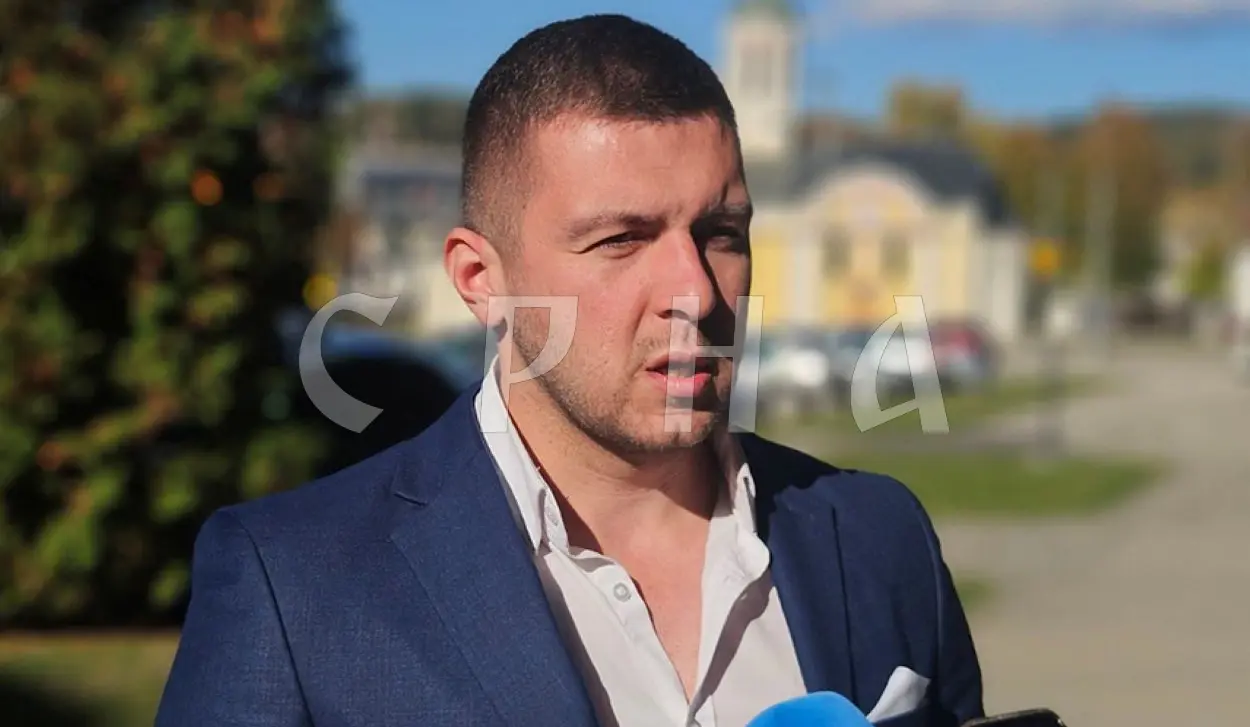
BANJA LUKA, NOVEMBER 24 /SRNA/ - If there is no agreement even on the date when peace was established, it is fair to ask what the talk of a common future for BiH is based on, Republika Srpska Minister of Labor and Veterans' and Disability Protection Radan Ostojić told SRNA.
"Serbs in Republika Srpska respect and mark important dates from both world wars. When we talk about a date that should be a common symbol of peace in BiH, that date is November 21," Ostojić said. He reminded that on that day the General Framework Agreement for Peace in BiH was initialed in Dayton, ending the war and opening the way to peace.
Ostojić said it was devastating that the Federation of BiH did not mark November 21, the date that brought peace to all the peoples living in the region, but instead marked November 25, the date of the first session of the State Anti-Fascist Council for the National Liberation of BiH /ZAVNOBiH/. He noted that the Serbian people had made the greatest sacrifice in World War II and had also been the pillar of the anti-fascist struggle.
"The fact that there is still no agreement in BiH on important historical dates, even after more than three decades, shows best how deep the divisions are," Ostojić said.
How can we talk about a common future if we cannot show equal respect for the peace that ended the war, Ostojić asked.
"The Dayton Agreement is not only the document that ended the war, but also the foundation of BiH's current constitutional order and the guarantor of peace and of the equality of its constituent peoples," Ostojić stressed.
Ostojić said that the Serbian people had been the pillar of the anti-fascist struggle, but at the same time a people subjected to mass crimes and genocide, especially in the Independent State of Croatia /NDH/.
Ostojić said that a responsible attitude toward history meant telling the truth about all events, without selective memory or political adjustment of the facts. He stressed that the participation of part of the Muslim population in the NDH's armed formations and in crimes against Serbs must not be kept quiet either.
"We must look at history as a whole, without keeping silent about crimes or relativizing them," Ostojić said.
Ostojić said that as a veteran and member of the Army of Republika Srpska, he knew better than anyone what the words peace and freedom meant and how important it was to preserve peace.
"That is why November 21 should not be a matter of political or national affiliation, but a shared reminder of the value of peace and of the suffering that all the peoples of BiH went through," Ostojić said.
November 25, formerly ZAVNOBiH Day, is marked as the so-called Statehood Day in the Bosniak-majority part of the FBiH, while Croats do not mark it as a holiday.
In the FBiH the day is celebrated as the alleged Statehood Day of BiH, while Republika Srpska does not consider it a holiday because it was not the result of an agreement among all three constituent peoples of BiH.