SILK MUSEUM PRESERVES FIVE THOUSAND YEARS OF CHINESE TRADITION
China - cultural heritage
10/20/2026
08:42

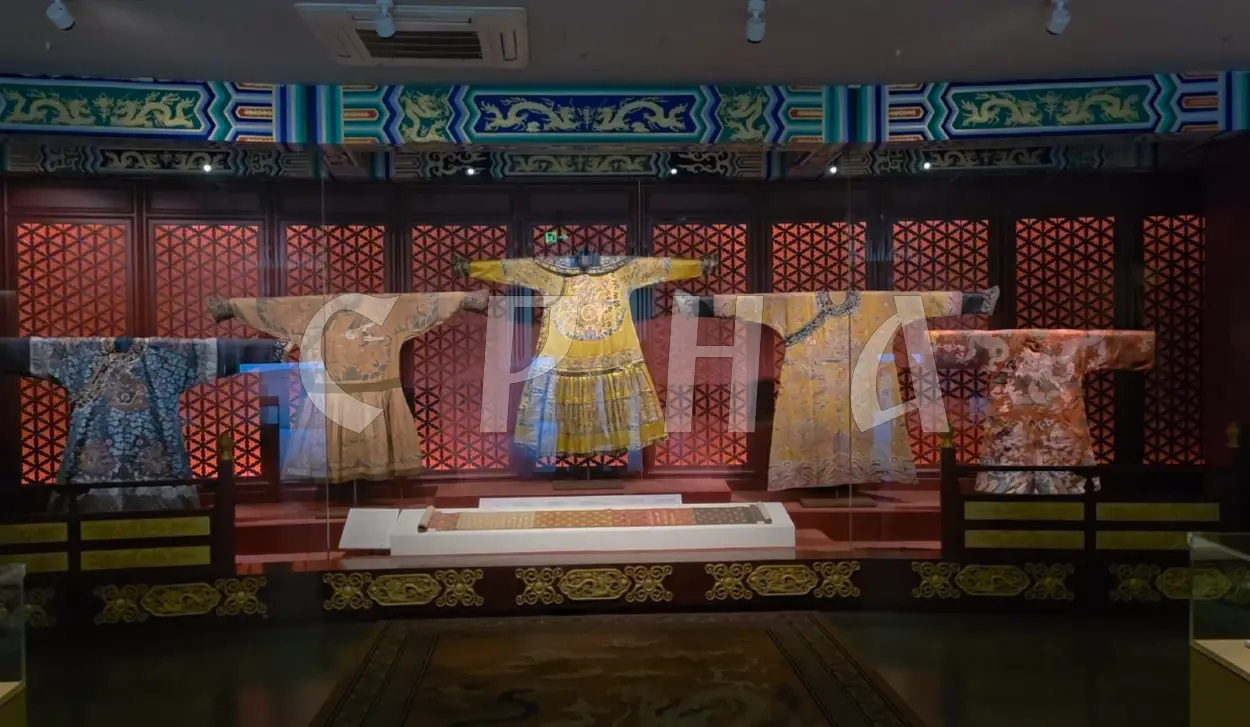
HANGZHOU, OCTOBER 20 /SRNA/ - China’s silk-making tradition, dating back approximately five thousand years, is showcased at the National Silk Museum in Hangzhou, where exhibits witness the development of one of the most significant crafts in Chinese history and its impact on global trade and cultural exchange.
Located near West Lake in Zhejiang Province, the museum was founded in 1992 and is one of the leading institutions dedicated to the study, preservation and presentation of China’s textile heritage.
Its collections include silk fabrics, traditional clothing, footwear, embroidered items and fashion accessories that illustrate lifestyles, aesthetic ideals and social conditions during different periods of Chinese history.
Of particular value are exhibits showcasing the evolution of clothing during the reigns of various dynasties, including the Tang, Song, Yuan, Ming and Qing.
Through cuts, materials, colours and decorative motifs, visitors can trace changes in fashion as well as the influence of other peoples and cultures on Chinese society.
Displayed clothing demonstrates how silk fabrics were used to make ceremonial dresses, robes and other garments, while embroidered details, decorative motifs and footwear reveal a high level of craftsmanship. Some items also witness the social standing and status of the people who wore them.
The museum also presents traditional silk-making techniques, from silkworm cultivation and silk filament extraction to weaving, dyeing and fabric decoration.
Visitors can follow the entire process of silk production and learn about the knowledge and skills passed down from one generation to the next.
One section of the exhibition focuses on silk production during the Warring States period and under the Qin and Han dynasties, when processing and weaving techniques developed and silk assumed an increasingly important role in the economy and trade.
The significance of this fabric has long extended beyond China’s borders. Silk was one of the best-known products transported along trade routes to Central Asia, the Middle East and Europe, contributing to the exchange of goods, knowledge and cultural influences.
The Silk Road was not merely a network of trade routes, but also a meeting place for different civilisations. Alongside textiles and other goods, artistic motifs, craftsmanship techniques, customs and ideas spread along these routes, leaving a lasting mark on the cultural history of many peoples.
The museum is also involved in research and the conservation of ancient textile artefacts, as well as the preservation of traditional techniques.
Chinese sericulture and silk craftsmanship were inscribed on UNESCO’s Representative List of the Intangible Cultural Heritage of Humanity in 2009.
The National Silk Museum was visited by journalists from various countries participating in the second phase of the programme organised by the China International Press Communication Centre, including a journalist from the Media System of Republika Srpska – SRNA.
The visit is part of a programme that enables foreign journalists to gain first-hand insight into China’s history, culture and contemporary development, as well as the traditions that have shaped Chinese identity and left a significant mark on the world’s cultural heritage.


TICA: INVEST IN YOUNG TEACHERS AND RESEARCHERS, CREATE BETTER CONDITIONS FOR THEM TO STAY

GERMANS EXECUTED CIVILIANS, INCLUDING SCHOOLCHILDREN, IN KRAGUJEVAC

VANCE: UKRAINE SHOULD NOT BE NATO MEMBER

LI: BEIJING READY TO FURTHER ALIGN DEVELOPMENT STRATEGIES WITH MINSK