TICA: INVEST IN YOUNG TEACHERS AND RESEARCHERS, CREATE BETTER CONDITIONS FOR THEM TO STAY
Republika Srpska - Higher Education Council - interview
10/20/2026
10:14

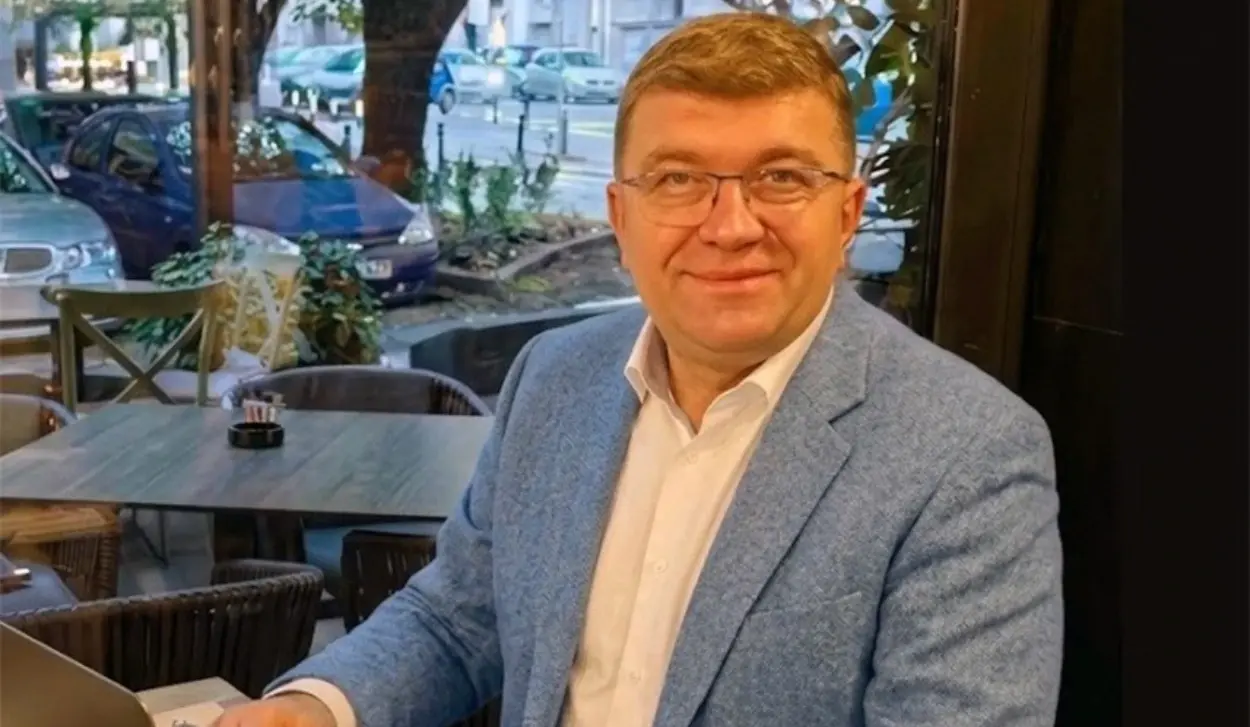
One of the particular challenges for the future of higher education, Tica says, is the rapid development of artificial intelligence, which is changing the labour market, the way jobs are performed and the competences required to do them.
INTERVIEWED BY: Nikolina DAMJANIĆ
BANJA LUKA, OCTOBER 20 /SRNA/ – Republika Srpska-based universities enable students to acquire knowledge and skills for the global labour market, but society must also give young people reasons to stay and apply their acquired knowledge at home, Milan Tica, Chair of the Higher Education Council, told SRNA.
"We must strengthen cooperation between the state, universities and the economy so that this triangle can truly become a triangle of success. We need to invest more in practical training, new professions and study programmes that meet the development needs of Republika Srpska," Tica said.
He stressed the need to direct available resources towards promising study programmes while rationalising those that are not sustainable.
"We do not need as many study programmes as possible; we need high-quality and sustainable ones. We do not need as many diplomas as possible; we need competent and well-qualified graduates," Tica said.
MORE THAN 60 COUNCIL SESSIONS
Speaking about the work of the Republika Srpska Higher Education Council, Tica said that this expert and advisory body had reviewed more than 40 proposals for introducing new study programmes, standards for initial accreditation and accreditation, a draft rulebook on appointments to academic and research positions, enrolment quotas and occupations in short supply.
Tica stressed that the Council had prepared and adopted the document Network of Higher Education Institutions and Study Programmes of Republika Srpska on three occasions, covering the periods 2022–2023, 2024–2025 and 2026–2029.
These documents provide the basis for planning enrolment policies, rationalising and developing study programmes, strengthening research capacity, improving student welfare and aligning education with labour market needs.
He assessed that higher education in Republika Srpska had the potential to continue developing and that graduates from local universities are competitive in the international knowledge market.
Tica pointed out that higher education could not be developed on the assumption that the number of young people would remain unchanged, given the demographic decline and the emigration of young people.
"We cannot build the future of higher education on the assumption that tomorrow will be the same as yesterday. If there are fewer young people, we cannot simply continue with the same number of programmes, the same structure and the same funding model," Tica stressed.
According to him, young people today have more opportunities than ever to study in the region and across Europe. Universities in Republika Srpska must therefore offer high-quality education and up-to-date knowledge, while the economy and society in general must provide opportunities for quality employment after graduation, as well as a secure professional and family future.
INVEST IN YOUNG TEACHERS AND RESEARCHERS
Speaking about ways to improve higher education, Tica stressed the need to increase investment in the higher education sector, provide even better working conditions for existing academic staff, and, in particular, create conditions that encourage young teachers and researchers to stay and develop their careers.
"If we do not create the conditions today for young teachers and researchers to stay and develop, tomorrow we may have buildings, equipment and study programmes, but we will not have enough people," Tica warned.
He said that excellence in teaching, research and management should be encouraged, with greater attention given to outstanding and creative students and graduates.
As one measure to support their development, he proposed establishing an innovation fund for Republika Srpska. To improve scientific and research work, he also highlighted the importance of innovation and development centres, technology parks, centres of excellence and scientific research institutes.
Tica believes that local and international projects, research and cooperation with the business sector should be encouraged, and that a system should be established in which knowledge and results are recognised and rewarded academically, professionally and financially.
He also highlighted the importance of international cooperation, noting that students, teaching assistants and academic staff should have opportunities to gain knowledge and experience abroad, while conditions should also be created to enable them to return.
"Our universities should attract professors and students from abroad," Tica said.
One of the particular challenges for the future of higher education, Tica says, is the rapid development of artificial intelligence, which is changing the labour market, the way jobs are performed and the competences required to do them.
"Its impact is reflected not only in the emergence of new professions, but also in the transformation of existing ones, as knowledge and skills that were sufficient until recently now require continuous development," Tica said.
He assessed that higher education had an irreplaceable role in shaping the future and that it was essential to respond in a timely manner to changes brought about by new technologies and social developments.
While adapting to new needs and technologies, Tica noted, it is also necessary to preserve academic disciplines that are important for art, culture, language, history and identity.
"The future of Republika Srpska depends to a large extent on the future of higher education," Tica stressed.