SOLOMUN: INVESTIGATE SYSTEMATICALLY AREAS CONTAMINATED BY RADIOACTIVE MUNITIONS
Republika Srpska - NATO Bombing - anniversary
09/08/2026
13:32


BANJA LUKA, SEPTEMBER 8 /SRNA/ – Thirty-one years after NATO aircraft bombed the territory of Republika Srpska, the consequences for the environment and the health of the population have still not been fully determined, remediated or legally resolved, therefore systematic monitoring of contaminated areas is necessary, Marijana Kapović Solomun, a professor at the Faculty of Forestry of the University of Banja Luka, told SRNA.
Solomun recalled that during the 1995 NATO bombing of Republika Srpska, as part of an operation intended to force the Serb side to accept peace terms, depleted-uranium munitions were also used at locations in Hadžići, Han Pijesak and elsewhere.
"This fact was subsequently confirmed by a 2003 report of the UN Environment Programme, dedicated to the consequences of depleted uranium in BiH. This was the same type of ammunition that was used later, during NATO's 1999 bombing of the Federal Republic of Yugoslavia, in Serbia as well," Solomun stressed.
She emphasized that experts warn that depleted-uranium particles gradually enter groundwater and surface water and subsequently the food chain over time, indicating a potential danger to which the population may be exposed without even being aware of it.
"In areas where the munitions were used, particularly around Hadžići, an increase in the incidence of malignant diseases, including fatalities, has been recorded, as health institutions and experts from Republika Srpska have been pointing out for years. At the same time, the scientific and medical community in the region warns that the issue of the consequences of depleted uranium remains insufficiently researched and, unfortunately, highly politicized," Solomun said.
Solomun stressed that the bombing also left broader environmental damage, as damaged and destroyed industrial, energy and infrastructure facilities led to the release of hazardous chemical compounds, some of them carcinogenic, into the air, water and soil.
"Unfortunately, no systematic research into the long-term consequences for the territory of Republika Srpska has been conducted to date regarding the environmental damage caused under wartime conditions, particularly through the use of munitions whose safety is disputed," Solomun said.
She stressed that responsibility for the consequences of the 1995 bombing of Republika Srpska has still not been fully addressed and said that research and monitoring of contaminated areas must begin, not individually, but systematically.
"At the same time, every new decision that creates a risk of radioactive contamination in the immediate vicinity of populated areas in Republika Srpska must be based on transparent, independent and internationally recognized scientific analyses, rather than unilateral assurances that there is no risk," Solomun said.
Solomun believes that an area that has already paid a high price for the wartime decisions of others must not once again be forced to bear the consequences of decisions in whose making it has neither a voice nor a veto.
A Day of Remembrance for the Victims of the NATO Bombing in Republika Srpska will be marked in Istočno Sarajevo tomorrow. More than 50 members of the Republika Srpska Army and civilians were killed during the NATO bombing, while more than 120 were wounded.
The initiative to establish a Day of Remembrance for the victims of the NATO bombing was launched in Andrićgrad on August 26, 2018, at the proposal of SRNA.


MINIĆ: NATIONAL ASSEMBLY PRESERVED SRPSKA’S SOVEREIGNTY AND ECONOMIC STRENGTH

BANJAC: NATIONAL ASSEMBLY DECISIONS HAVE SHAPED SRPSKA’S POLITICAL AND INSTITUTIONAL DEVELOPMENT
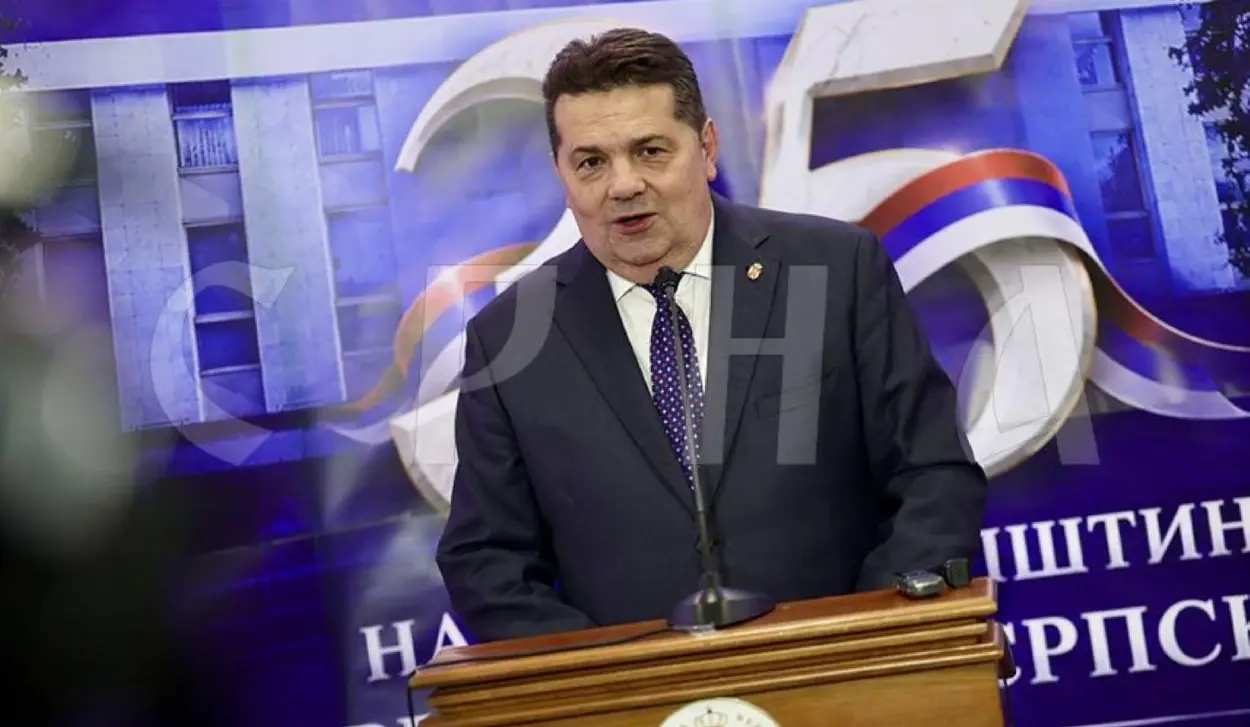
STEVANDIĆ: NATIONAL ASSEMBLY HAS DEMONSTRATED ITS INSTITUTIONAL AGENCY AND PERSEVERANCE
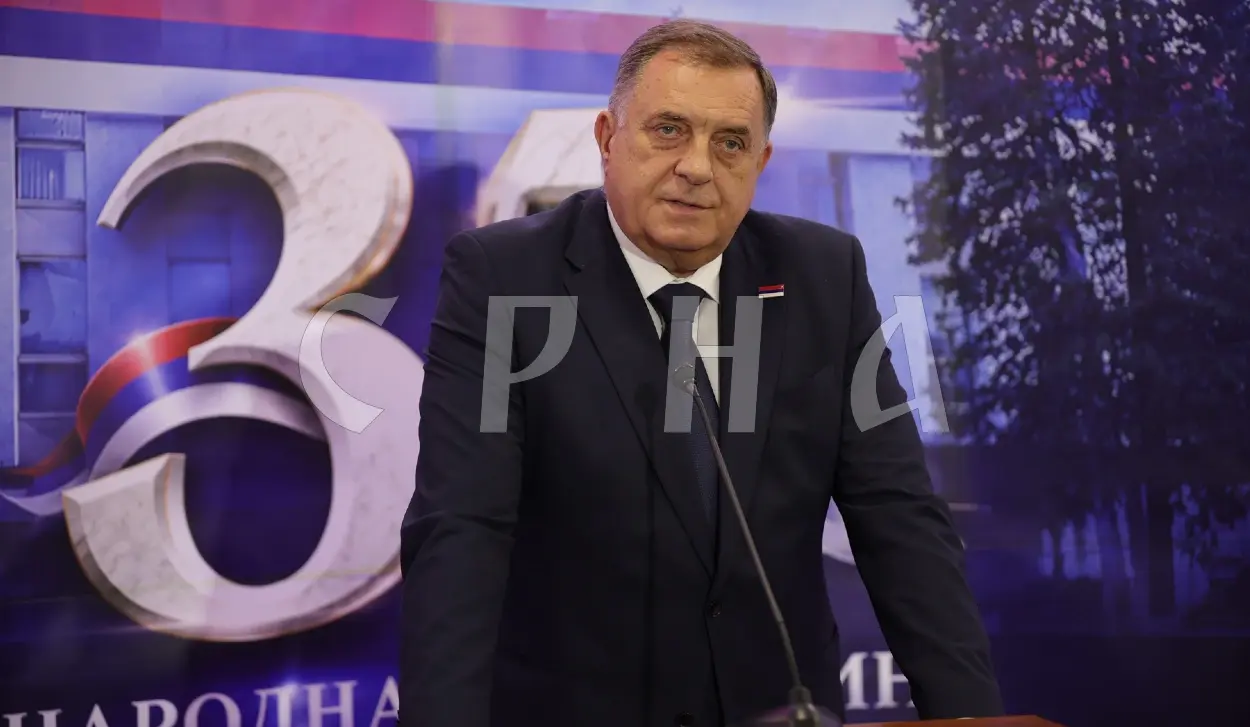
DODIK: NATIONAL ASSEMBLY HAS MADE KEY DECISIONS FOR SRPSKA