SERBIAN WOMEN TESTIFIED THAT 56 HVO MEMBERS RAPED THEM
FBiH - Odžak - Serbian Camp Detainees
05/03/2026
10:14
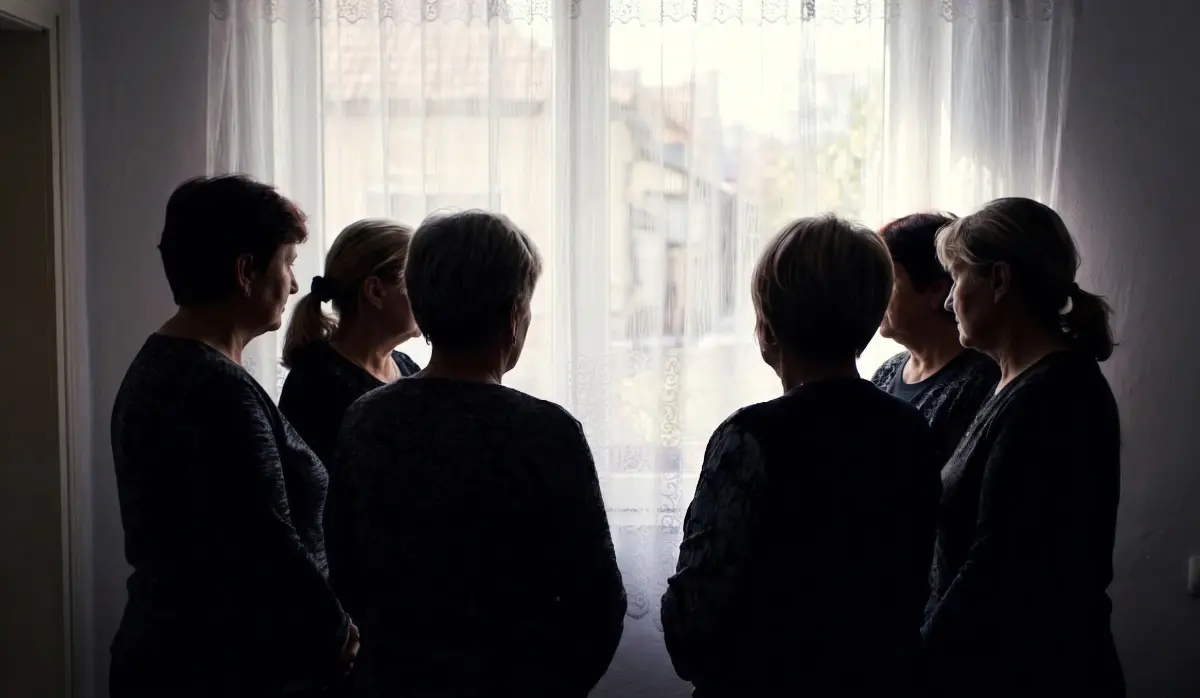
ODŽAK, MAY 3 /SRNA/ - The "Odžak '92" Detainees Association has collected information on as many as 56 members of the 102nd Odžak Brigade of the Croatian Defence Council /HVO/ whom Serbian women from this area testified had raped them.
"We informed the police about this, and the women then gave statements to the competent prosecutor's offices in Doboj, Orašje, and the Prosecutor's Office of BiH in Sarajevo, but to this day nothing has come of it," the Association told SRNA.
The Association emphasized that it insists prosecutors deal with these cases, as 34 years have passed and they still have not found time to address them.
"We also have records of 210 individuals suspected of participating in the detention, abuse of people, and burning of Serbian property. The lists were compiled from witness statements given to the relevant authorities," the Association added.
According to them, everything is documented; only the political will is needed for crimes against Serbs to begin being prosecuted, noting that there is still no indictment against members of the crisis headquarters.
Before the Cantonal Court in Odžak, from its establishment until today, five proceedings have been conducted for crimes against Serbs from this area, and only one resulted in a conviction-just one year in prison-which they described as disgraceful considering the grave crimes committed there.
The Detainees Association stated that through acquittals, the cantonal judiciary is absolving itself of crimes committed against the Serbian population from villages around Odžak, while anyone sentenced to one year can effectively buy out that sentence and live freely.
They also pointed out that in the past three years, former members of HVO brigades decorated by the Croatian president, including the 101st Bosanski Brod Brigade, the Derventa Brigade, and the 105th Modriča Brigade, have gathered in places where crimes were committed to mark the anniversaries of their formations.
"Wherever they committed crimes, they return. They come and commemorate them. Serbian victims ask themselves what they should do; people are dissatisfied but do not have the strength to resolve it," the "Odžak '92" Detainees Association said.
For this reason, they added, a law on memorials in Republika Srpska should be adopted as soon as possible to stop what they described as mockery in the face of former Serbian detainees.
According to them, Serbs from the Odžak area, nearly 1,300 of whom ended up in two Odžak camps, were humiliated during their imprisonment under HVO authority, and they say this humiliation continues today.
They stressed that in the spring of 1992, the same thing happened to them as had happened to their compatriots during World War II, and that they possess the necessary documentation.
The Serbian population of Odžak municipality, especially from the village of Novi Grad, endured horrific torture during imprisonment, while Serbian girls and women were subjected to rape. As many as 140 children passed through the camps.
A total of 132 methods of torture were allegedly used against them, and 42 detainees did not survive.
Their homes were burned, as were places of worship, and monuments were destroyed, including the memorial to victims of Ustasha crimes from World War II in Donja Dubica. In a single night, Ustasha forces slaughtered 770 local residents there, including 300 children, and during the last war, descendants of those perpetrators allegedly destroyed that memorial as well.
The "Odžak '92" Detainees Association also possesses video footage showing a Croatian soldier leaving a church in Novi Grad carrying out a Gospel book.
"He took it away, and it was never returned to Novi Grad. We asked for it to be returned, but nothing came of it," the Association said.
They added that HVO members fired weapons inside the church and took everything of value, mined churches in the Serbian villages of Gnionica and Gornji Svilaj, and burned the church in Donja Dubica.
"The intention was to erase the existence of Serbs in this area," the Association believes.
Some individuals have been brought to justice, but not the most responsible, camp commanders and those who gave orders that guards should not treat detained Serbs as human beings.
Serbs from the Odžak area passed through camps located in an elementary school and the Strolit factory, where 1,294 Serbs were detained, including 860 men, while the rest were women and children.
After the liberation of Odžak municipality on July 15, 1992, 410 detained men and 35 women were transferred to Bosanski Brod, to camps at Gik's warehouse, the Tulek department store warehouse, and the sports hall of the Secondary School Center.
Following the liberation of Brod on October 7, 1992, 208 men and one woman were transferred to a camp in Orašje, while 54 men were sent to a camp in Slavonski Brod, where they spent at least 90 days in the Bardak tavern, which before the war had been owned by a Serb.
The last detainee from Odžak municipality who had been transferred to the camp in Orašje was exchanged in Čelebić on June 19, 1993.
The Association stressed that from May 8, 1992, to June 19, 1993, 42 Serbian detainees from Odžak municipality were killed, and that there was not a single Serbian village in that area where local residents did not suffer casualties.
They recalled that several former members of the 102nd Brigade of the Croatian Defence Council were sentenced to a total of 85.6 years in prison, while some defendants remain unavailable to the judiciary of BiH and others were acquitted.
The Court of BiH has issued six verdicts for war crimes against detained Serbs in Odžak, sentencing perpetrators to a total of 37 years in prison.
The Odžak Detainees Association will mark 34 years since the capture of Serbian civilians from Odžak villages on May 8.
A memorial service will be held at 1:00 p.m. at the memorial monument in Vukosavlje, and at 2:00 p.m. in the Church of the Holy Apostles Peter and Paul in the village of Novi Grad, followed by the laying of wreaths at the monument.