NUŽDIĆ: SUFFERING OF SERBS IN BROD - ONE OF THE DARKEST CHAPTERS IN HISTORY
Republika Srpska - Center for Research of War
10/07/2026
08:35

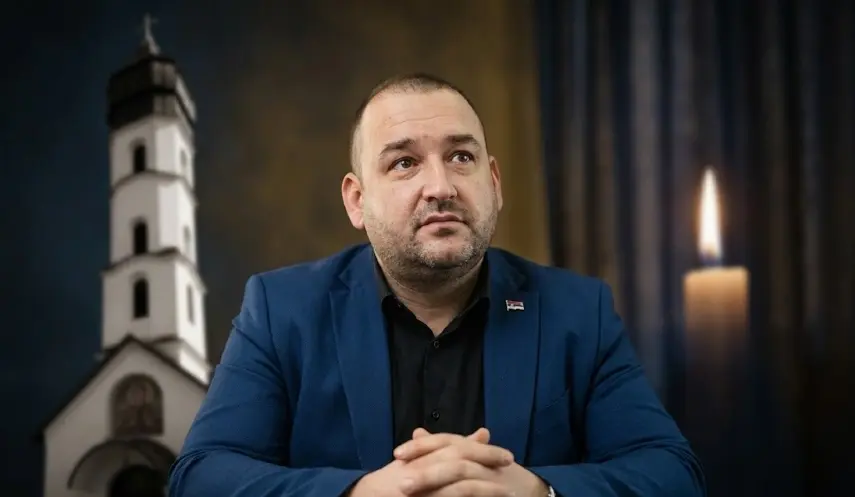
BANJA LUKA, OCTOBER 7 /SRNA/ - The crimes committed against Serb civilians in Brod in 1992 by the Croatian Army and Croatian-Muslim paramilitary units have still not been adequately punished, and Serbs must continue to draw attention to them because a people that forgets its victims risks allowing someone else to write its history, Viktor Nuždić, acting director of the Republic Center for Research of War, War Crimes and the Search for Missing Persons, told SRNA.
Nuždić said that the suffering of Serbs in Brod in 1992 represents one of the darkest chapters in the history of the Serb people in Posavina.
"We must not allow Brod to be spoken of merely as a wartime event. We are talking about people, families and civilians who were killed, about persecution, imprisonment, torture and murder," Nuždić said on the occasion of the observance of Municipality Day and the 34th anniversary of the liberation of Brod in the Defensive-Patriotic War.
Nuždić stressed that Sijekovac is particularly important because it represents one of the first mass crimes against Serb civilians in BiH in 1992.
"Sijekovac was a horrific harbinger of what would happen across the wider Posavina and Brod area. That is why Sijekovac is a symbol of the beginning of the suffering of the Serb people in this region, while Brod bears witness to the scale of that suffering," Nuždić pointed out.
He said that the events of the last war must also be viewed in a broader historical context, as the Serb people of Posavina also remember the suffering during the Second World War, Jasenovac and Donja Gradina, as well as numerous places where Serbs suffered simply because of their Serbian name and Orthodox faith.
Nuždić said these historical memories should not lead to hatred, but to a sense of responsibility to ensure no crime is ever swept under the rug and no victim is ever forgotten.
"Brod and Sijekovac must remain part of our collective memory, not so that we can hate anyone, but so that we know what happened; not so that we can seek revenge, but so that we can seek justice," Nuždić stressed.
He said it was particularly concerning that, even more than three decades after the crimes against Serbs in Posavina, full justice has still not been served for the victims and their families.
"For the families of the victims, time is no substitute for justice, and forgetting is not reconciliation," Nuždić stressed.
Brod will today mark Municipality Day and the 34th anniversary of its liberation in the Defensive-Patriotic War, when the Republika Srpska Army ended the seven-month occupation by the regular Croatian Army and Croatian-Muslim paramilitary units.
From May to October 1992, the municipality of Brod was occupied by the regular Croatian Army and Croatian-Muslim paramilitary units, which held 2,000 Serbs captive in 10 camps.
After the Republika Srpska Army entered Brod, seven mass graves were also discovered, one of them at the City Cemetery, where the bodies of 88 civilians and soldiers were found.
Units of the Republika Srpska Army entered Brod on October 6, 1992, and General Slavko Lisica declared October 7 the Day of Liberation.
The liberation of Brod was part of Operation Corridor, one of the largest and most significant operations carried out during the Defensive-Patriotic War by the Republika Srpska Army and members of the Ministry of the Interior.
More than 2,500 fighters from the Brod municipality took part in the Defensive-Patriotic War, 244 of whom were killed and more than 500 wounded.


VIDEO FOOTAGE DEPICTING RAPE TO BE MADE A CRIMINAL OFFENSE

SEARCH FOR MISSING ENDS AFTER DEVASTATING FLOODS

LACAPELLE: SNSD ELECTION RESULT - POLITICAL VICTORY FOR IDENTITY OF SERB PEOPLE
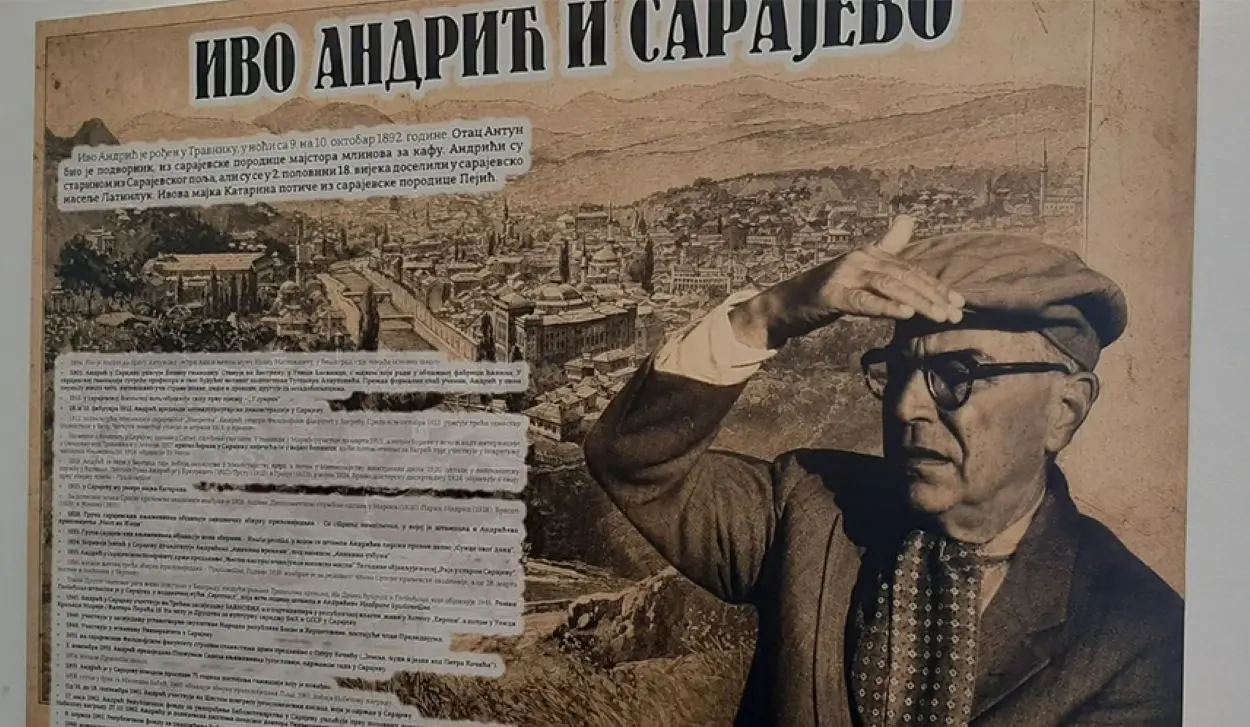
ANDRIĆ'S VIEW - BRINGING TOGETHER NOBEL LAUREATE'S LITERARY WORK AND HREŠA LANDSCAPE