NUŽDIĆ: AFTER VERDICT AGAINST KLA LEADERS, SERBIAN VICTIMS COULD AGAIN BE MARGINALISED
Republika Srpska - Center for Research of War
09/16/2026
14:05
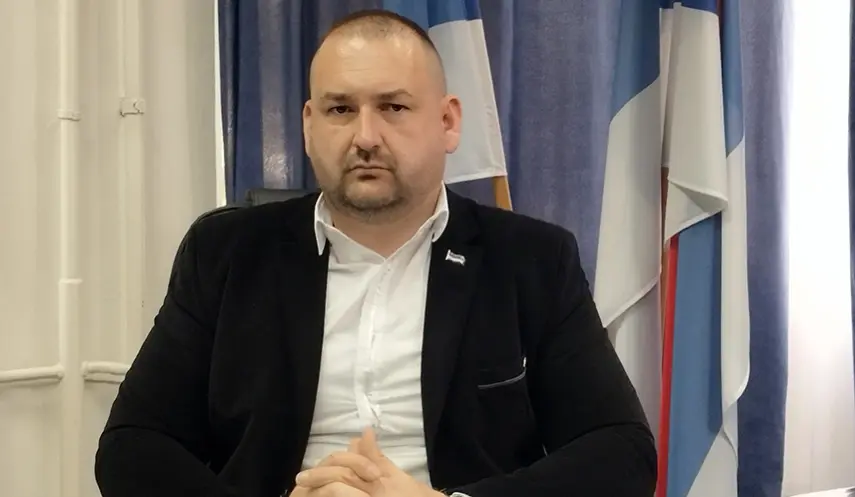
BANJA LUKA, SEPTEMBER 16 /SRNA/ - Acting Director of the Republika Srpska Center for Research of War, War Crimes and the Search for Missing Persons Viktor Nuždić said that following the first-instance verdict against four leaders of the so-called KLA, there is a risk that the suffering of Serbs in Kosovo and Metohija could be overshadowed and that Serbian victims could once again be marginalised.
Nuždić warned that it would come as no surprise if the verdict against Hashim Thaci and the others were overturned or amended on appeal, pointing to the case of Ante Gotovina, Ivan Čermak and Mladen Markač as the best reminder of this possibility.
"In this case, according to the prosecution, the majority of the victims were Albanians, while Serbs were also among the victims. It is particularly striking that the defendants were convicted of certain war crimes but acquitted of responsibility for crimes against humanity," Nuždić told SRNA, commenting on today’s verdict in which the four KLA leaders were sentenced to a total of 81 years in prison.
According to him, there is a risk that, if the established crimes against Albanians are viewed in isolation from the broader context, with the suffering of Serbs being relegated to the background, the entire case could ultimately be portrayed almost exclusively as an internal conflict among Albanians.
"That means that Serbian victims would once again be left on the margins. And this is precisely where we come to the heart of the problem. When it comes to crimes against Serbs, justice is generally delayed for decades. When Serbs are accused, accountability has been sought, and verdicts have been handed down," Nuždić explained.
According to him, when Serbs are victims, additional evidence is often sought for years, accountability is prolonged, and crimes remain without an appropriate judicial outcome.
The Kosovo Specialist Chambers in The Hague sentenced Thaci and Jakup Krasniqi to 25 years each, Kadri Veseli to 18 years, and Rexhep Selimi to 13 years in prison.

NUŽDIĆ: AFTER VERDICT AGAINST KLA LEADERS, SERBIAN VICTIMS COULD AGAIN BE MARGINALISED
IGOR DODIK ON SELF'S STATEMENT: WE HAVE WITHSTOOD ATTACKS, BETTER TIMES ARE YET TO COME FOR SRPSKA
LAVROV: IF EUROPE ATTACKS US, WAR WILL BE SHORT

GRAPE HARVEST EVEN BETTER THAN LAST YEAR, EXCELLENT QUALITY