MAZALICA IN MOSCOW AT CONFERENCE ON ELECTION PROCESS EXPERTISE: BiH'S ELECTORAL FRAMEWORK LACKS POLITICAL CONSENSUS
Russian Federation - Republika Srpska
04/15/2026
17:35
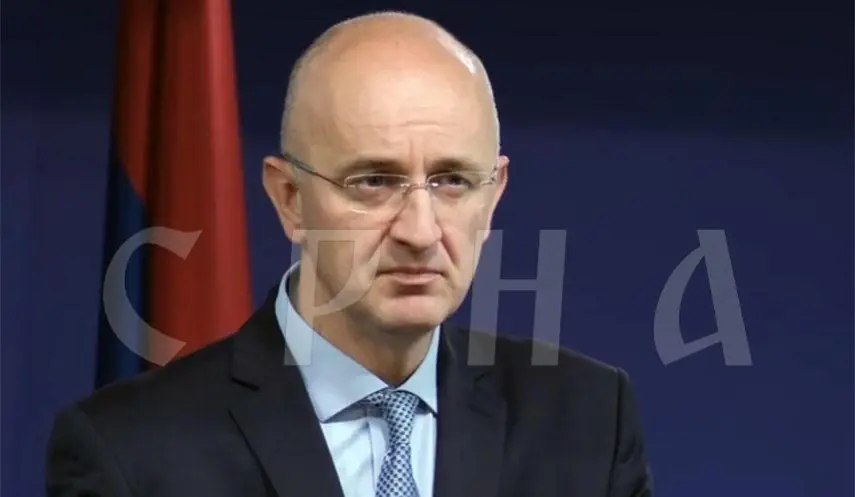
MOSCOW, APRIL 15 /SRNA/ - The Head of the SNSD Club in the National Assembly of Republika Srpska, Srđan Mazalica, took part in the International Scientific and Practical Conference on Ensuring Observation and Expertise of Electoral Processes, held yesterday and today in Moscow.
At the end of the conference, which gathered more than 100 participants from 60 countries, a resolution was adopted and an initiative launched to establish an international association of experts and organizations for independent and impartial election monitoring.
All adopted goals are contained in the resolution and founding documents.
The conference was opened by Russian Foreign Minister Sergey Lavrov, who noted that the OSCE has turned into an instrument of pressure by the collective West on the internal affairs of sovereign countries.
As one of the speakers on the opening panel, Mazalica pointed out that the appointment of Christian Schmidt as High Representative in BiH was not approved by the UN Security Council.
“Nevertheless, he imposed more than 100 amendments to the Election Law and adopted other unlawful decisions interfering in elections and democracy, which was supported by the OSCE,” Mazalica pointed out.
Comparing the systems in the Russian Federation and BiH, Mazalica noted that Russia demonstrates a high level of organizational efficiency, technological transparency, and trust among participants in the process, while BiH shows low organizational efficiency, electoral legislation that is not the result of political consensus, a lack of legitimacy of the election commission and an electoral process that contributes to political instability.
The aim of the conference is to establish an association that will enable the development of democratic institutions and raise the level of transparency and technological advancement of electoral processes through the exchange of knowledge and experience in election expertise, the organization of international election observation, participation in electoral processes at the invitation of states or political actors, action in compliance with national electoral legislation, the implementation of observation missions with the consent of domestic election institutions, and reliance on the principles of national and international law.

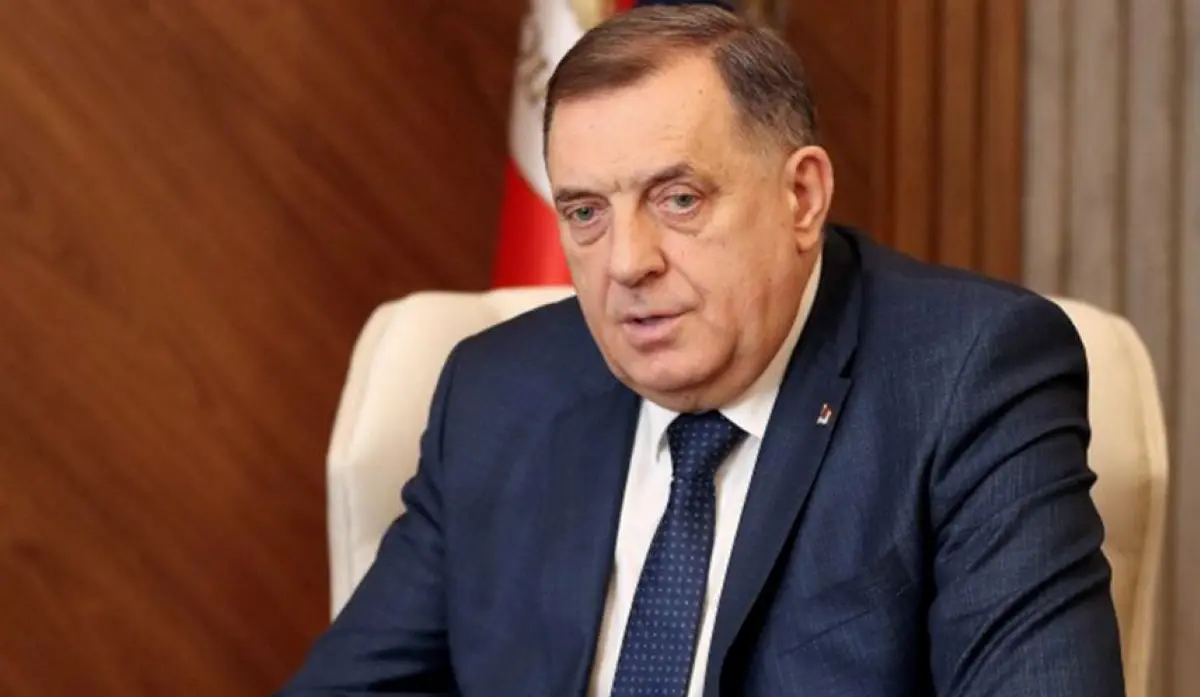
DODIK: FLIGHT BAN FOR PRIME MINISTER MACUT - ATTACK ON ALL SERBS

OFFICE WORKERS INCREASINGLY BRING LUNCH FROM HOME TO SAVE MONEY
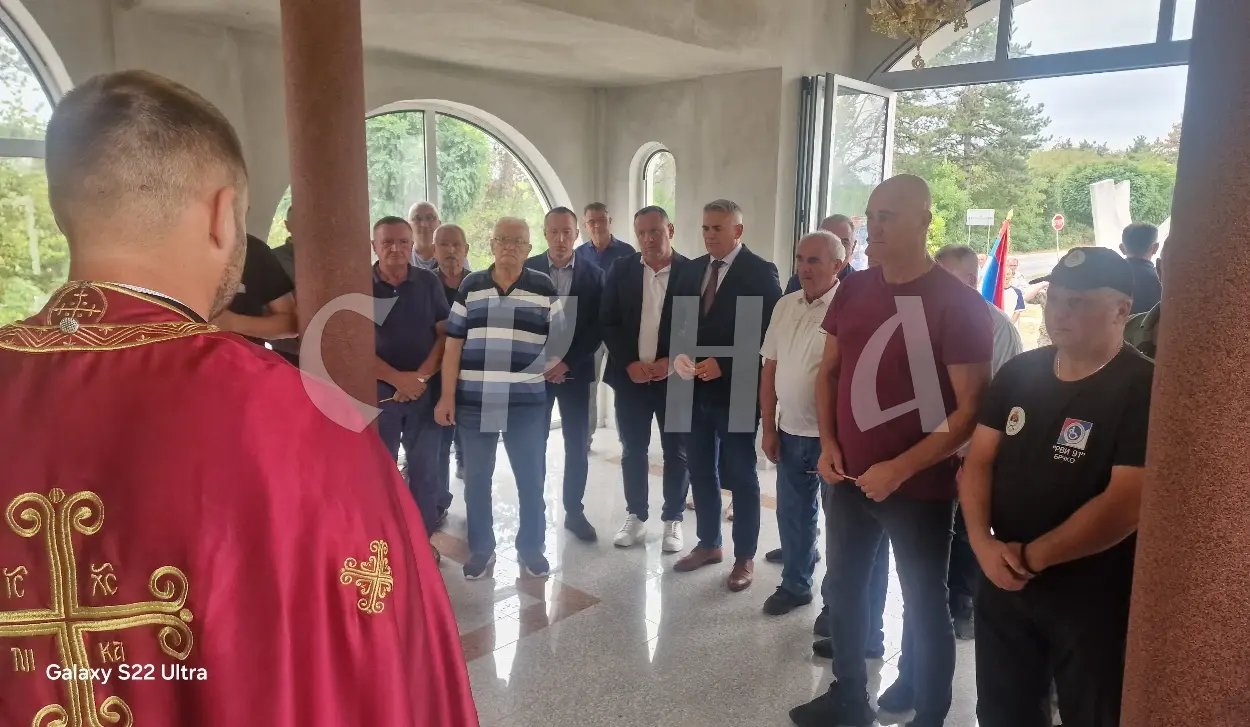
MILIĆ: BUKVIK - ONE OF LARGEST SITES OF MASS KILLINGS OF SERBS
MACUT: FLIGHT BAN IS REGRETTABLE, WILL NOT PREVENT ME FROM COMING TO BANJA LUKA