ICONS ARE HOLY RELICS WHOSE PLACE IS IN ORTHODOX CHURCHES AND ORTHODOX HOMES
Republika Srpska - SOC
06/13/2026
12:14
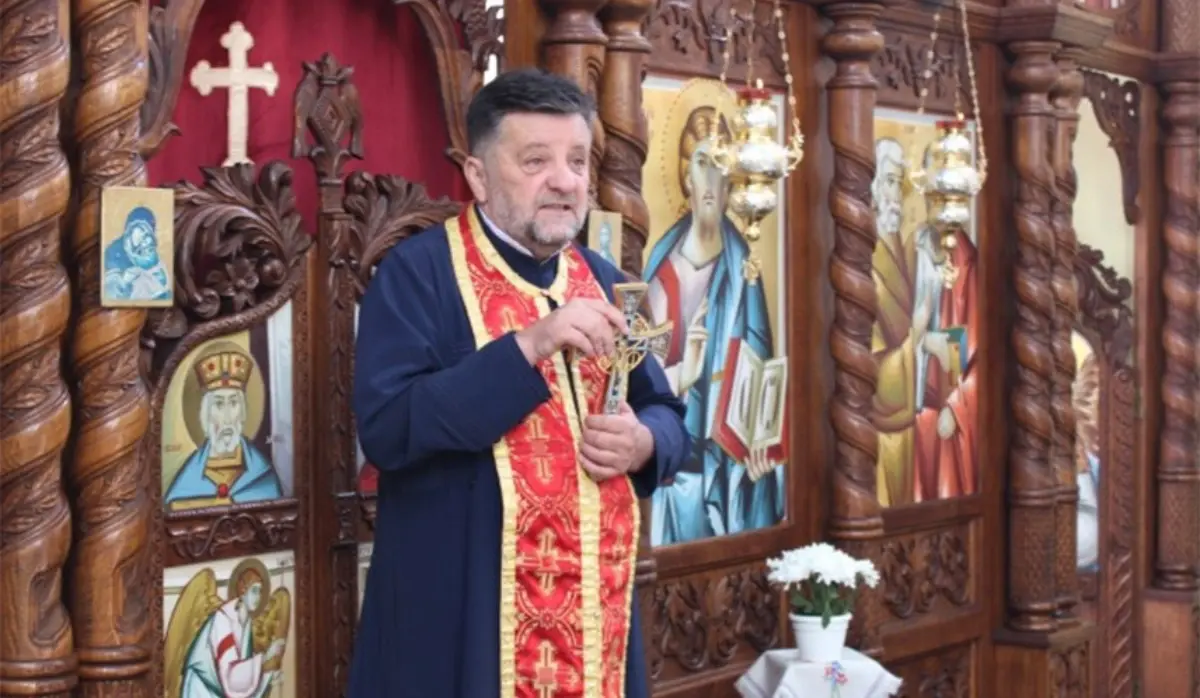
NOVI GRAD, JUNE 13 /SRNA/ – Icons are holy relics that should be respected and belong in Orthodox churches and Orthodox homes, whose protectors they are, Nemanja Vidić, parish priest of the Novi Grad parish, told SRNA.
Father Vidić explained that an icon is not an ordinary picture but a holy relic depicting Jesus Christ or saints through whom prayers are offered to God.
“Regardless of what it is made of, whether gold or paper, an icon is a holy relic. Icons are purchased in a church. If an icon was not bought in a church but is the work of an artist, it should be brought to a church to be blessed; once blessed, it has its place in the home,” Vidić explained.
He said that it is not a commendable act if someone possesses icons originating from Orthodox churches or Orthodox homes and intends to sell them in any way.
He emphasized that honourable householders rescued icons, Gospels, and church bells from churches during wartime conflicts in these areas in order to protect them from desecration.
“Anyone who removed an icon with good intentions performed an honourable deed, but if that was later abused, that is not good,” the priest said.
He pointed out that in times of war, when an enemy enters a church, icons are often the first objects to be desecrated because of their great sacred value and importance to believers.
“We witnessed this in Kosovo and in our own regions, where icons were desecrated, their eyes gouged out, and defaced with graffiti,” Vidić noted.
He added that believers had told him how, during the Second World War, they carried their icons through the Kozara region and prayed to God alongside them.
According to him, icons do not represent idolatry because they do not depict ordinary mortal people.
“About thirty years ago, the walls of our homes were adorned with photographs of statesmen and singers - that is idolatry. An icon is the protector of the home, a link between a human being and God through the saint to whom we pray,” the priest explained.
He also stressed that the life of a saint can be understood through an Orthodox icon. As an example, he cited Saint George the Great Martyr, who is depicted on horseback holding a spear with which he pierces a dragon, symbolizing his life story: that he lived at a royal court, renounced worldly glory, embraced Christianity, was persecuted, and ultimately suffered martyrdom.
Vidić added that Saint Archdeacon Stephen is depicted holding a censer and a small church, illustrating that he was among the first archdeacons who spread Christianity.