HATRED TOWARDS SERBS MANIFESTED THROUGH OFFENSIVE GRAFFITI ON SERB FLAG MURAL
Republika Srpska - Istočno Sarajevo - Ćosić
10/20/2026
12:04

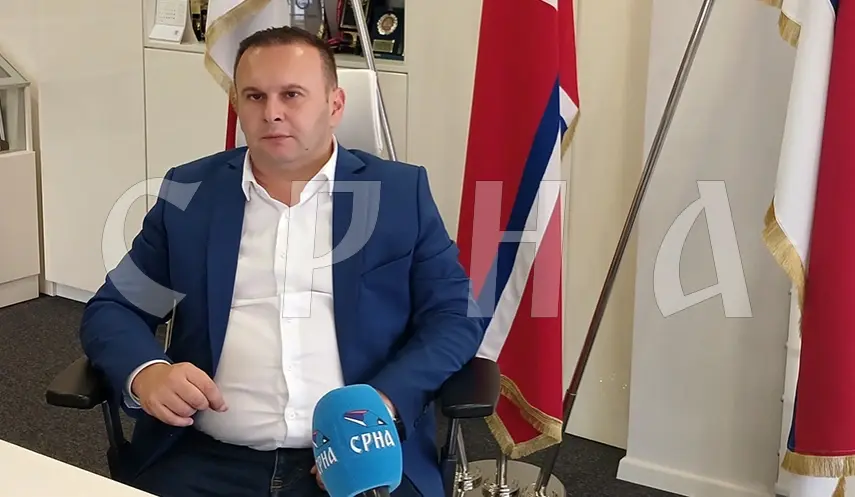
ISTOČNO SARAJEVO, OCTOBER 20 /SRNA/ – Istočno Sarajevo Mayor Ljubiša Ćosić said that the offensive message on a mural depicting the Serb tricolour in Istočno Novo Sarajevo reflected hatred towards Serbs that had begun to manifest itself on the day a Serb wedding guest was killed in Baščaršija.
"Today, that same hatred has been manifested through the offensive graffiti reading `genocidal` on the mural. It is being expressed by two different generations imbued with the same principles and feelings of hatred towards everything with Serb prefix," Ćosić told SRNA.
He said that in 1992, no Serb was ready to start a war and sacrifice peace simply because they might dislike Muslims.
"There is not a single Serb who hates Bosniak Muslims; we are simply not interested in them. We are interested in them as a people with whom we should live alongside, do business, coexist and work, which is entirely normal, but we do not harbour feelings of hatred," Ćosić said.
He stressed that writing "genocidal" on the constitutional flag of Republika Srpska spoke volumes about the degree and intensity of hatred.
"Hatred destroys both the person who expresses it and the person consumed by it," Ćosić said.
He assessed that it might even be better for such messages to appear, as they made it clear that BiH could never function in this way.
Ćosić believes that the offensive graffiti may be connected to billboards put up yesterday featuring a photograph of wartime Bosnian Muslim leader Alija Izetbegović, accompanied by a message stating that 23 years after his death, bloodied hands had not been washed clean and that those responsible for crimes against Serbs committed by Muslims had not been forgotten.
He said the message was justified because Alija Izetbegović had been the strongest advocate of war in pursuit of the so-called independence of BiH.
Ćosić pointed out that nobody had gone to Sarajevo to put up billboards bearing that message; rather, they had been installed in Istočno Sarajevo.
"But when someone comes into your own backyard and insults you in this way, it speaks volumes about those people's mindset," Ćosić concluded.