EXHIBITION ON CHRONOLOGY OF MAJOR BANS ON THE USE OF CYRILLIC TO OPEN IN BANJA LUKA TONIGHT
Serbia - Republika Srpska - Cyrillic Museum - Bjelaković, Spasojević
10/07/2026
13:49

BELGRADE, OCTOBER 7 /SRNA/ - An exhibition on the defense of the Serbian Cyrillic script will open in Banja Luka tonight, organized by the Cyrillic Museum from Rača near Bajina Bašta, which presents a kind of chronology of the major bans that the Serbian population has faced concerning the status of its national script.
By: Vesna ŠURBAT
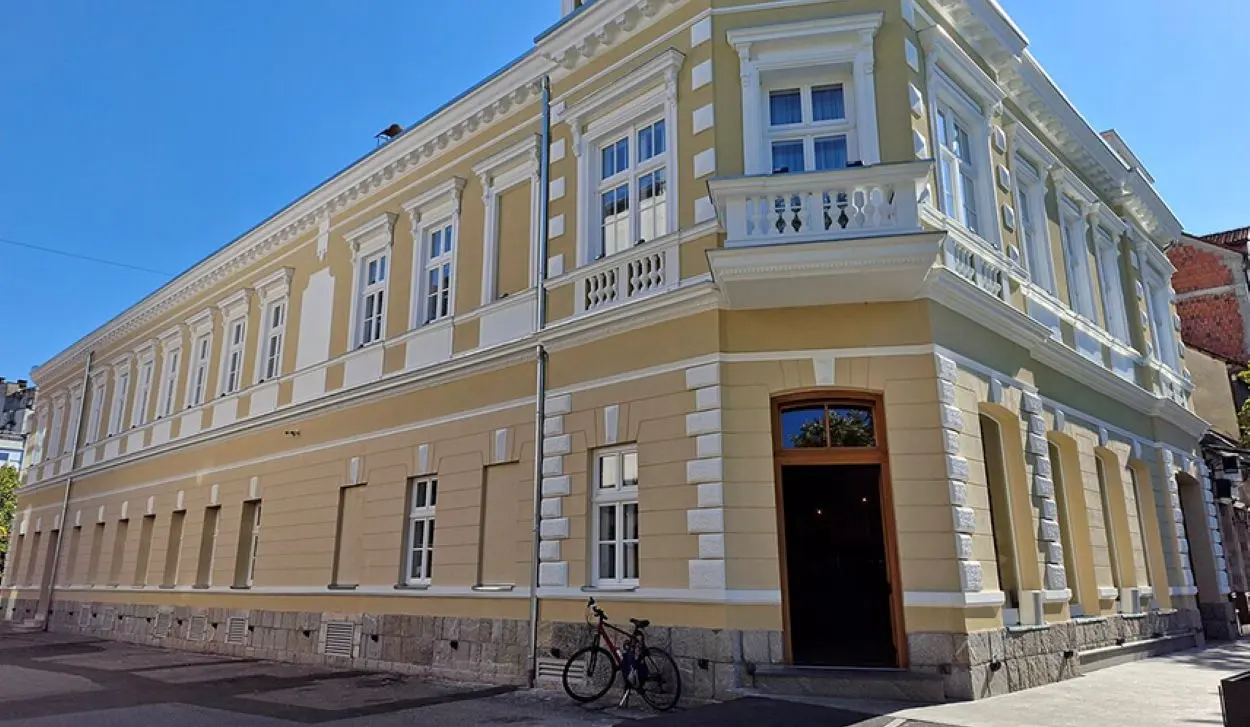
The exhibition, titled "Bans and Defenses of the Serbian Cyrillic Script," will open at 8:00 p.m. at Milanović House. It was created by Aleksandar Milanović, acting director of the Cyrillic Museum, and Professor Isidora Bjelaković, PhD, who is also secretary of the Serbian Language Department of Matica Srpska.
Bjelaković told SRNA that the exhibition aims to raise awareness among native speakers of Serbian about the importance of Cyrillic as the primary Serbian script and an essential part of Serbian cultural identity.
She said the exhibition presents everything the Cyrillic script went through from the 18th to the 20th century.
IT BEGAN WITH THE BAN ON CYRILLIC IN THE HABSBURG MONARCHY
She said the exhibition begins with the 18th century, when, as part of major educational reforms in the Habsburg Monarchy under Empress Maria Theresa and her son Joseph II, decrees were issued to remove Cyrillic and replace it with the Latin script.
Bjelaković said that official decrees were sent at the time to the Metropolitanate of Karlovci and its metropolitans, as well as to school principals in the territory of Southern Hungary, where Serbs lived, ordering that Cyrillic be removed from all textbooks and replaced with the Latin script.
"From all textbooks except those dealing with the fundamentals of the faith, that is, catechism," she added.
However, Bjelaković points out that educated people, senior clergy and secular figures, led by Teodor Janković Mirijevski, persisted so strongly in this struggle in the late 1770s and throughout the 1780s because they understood what the loss of Cyrillic among Serbs would mean.
She reminded that the Serbian population in these territories, from the Great Migration onward and throughout the 18th and early 19th centuries, was subjected to intense pressure from the Jesuits aimed at converting them to Catholicism.
EDUCATED SERBS REALIZED THAT LOSING CYRILLIC WOULD LEAD TO CONVERSION TO CATHOLICISM
"The clergy and educated individuals understood that losing Cyrillic would mean losing part of their identity and that this would actually lead directly to joining the union, that is, to the conversion of the Serbian population to Catholicism," Bjelaković said.
She said that during the 19th century, in the territory of what was then Southern Hungary, specifically in Srem, there were once again efforts to abolish the use of Cyrillic.
Svetozar Miletić played a major role in resisting these efforts, followed later by the leaders of the Metropolitanate of Karlovci, who opposed the idea at one of the church assemblies.
Bjelaković said the second part of the exhibition is devoted precisely to this situation in the mid-19th century. She also pointed out that during World War I, in the 20th century, there were several instances of clear and outright bans on the use of Cyrillic.
Speaking about the motivation behind creating the exhibition, she recalled the words of Serbian academician and writer Matija Bećković, who wrote in one of his works: "The fact that Cyrillic was periodically banned from use over the course of three centuries is reason enough for us to be aware of its status in our society and reason enough for us to preserve it."
"This slogan and this quote also conclude our exhibition. It all came from our desire to once again try to raise awareness among every individual who is a native speaker of Serbian, so that they understand the place of Cyrillic both in our culture and in contemporary literacy and communication," Bjelaković emphasized.
She said that the exhibition provides a chronological overview of what happened throughout history, offering a cross-section of the historical bans, and that the exhibition concludes with the beginning of the 20th century and does not cover current attempts to restrict the use of Cyrillic.
"What is happening in the modern world is a topic for another exhibition, and hopefully we will get to that in due time," Bjelaković said.
She pointed out that bans are not a way to erase something from the system and that it is important for people to become aware of the place of Cyrillic in contemporary culture.
"It seems to me that we are on the right track, because I have the impression that even in major cities, Cyrillic is increasingly appearing on the signs of private businesses, not just government institutions. This shows that we are doing something right and that the mission we are committed to has produced some results," Bjelaković told SRNA.
EXHIBITION TO ALSO BE HELD IN CITIES ACROSS SERBIA STARTING THIS WEEKEND
The "Bans and Defenses of the Cyrillic Script" exhibition in Banja Luka was conceived as part of the regular program of the Cyrillic Museum, which was officially established this year.
Siniša Spasojević, the founder of the Cyrillic Museum, told SRNA that the exhibition will make its premiere presentation tonight as part of the Days of Serbia in Republika Srpska event. Starting this weekend, it will be open to visitors in Bajina Bašta during the European Heritage Days, after which it will also tour other cities.
The Cyrillic Museum is a state institution and the first and only national museum in Serbia and the region dedicated to the preservation, study, and promotion of the Serbian script.
It was established by a decision of the Government of Serbia on the Feast of Saints Cyril and Methodius, May 24, 2025, and was officially opened to visitors in February 2026.