DUGE NJIVE - TESTIMONY TO PEOPLE - NATURE RELATIONSHIP
Republika Srpska - protected areas
06/14/2026
11:50
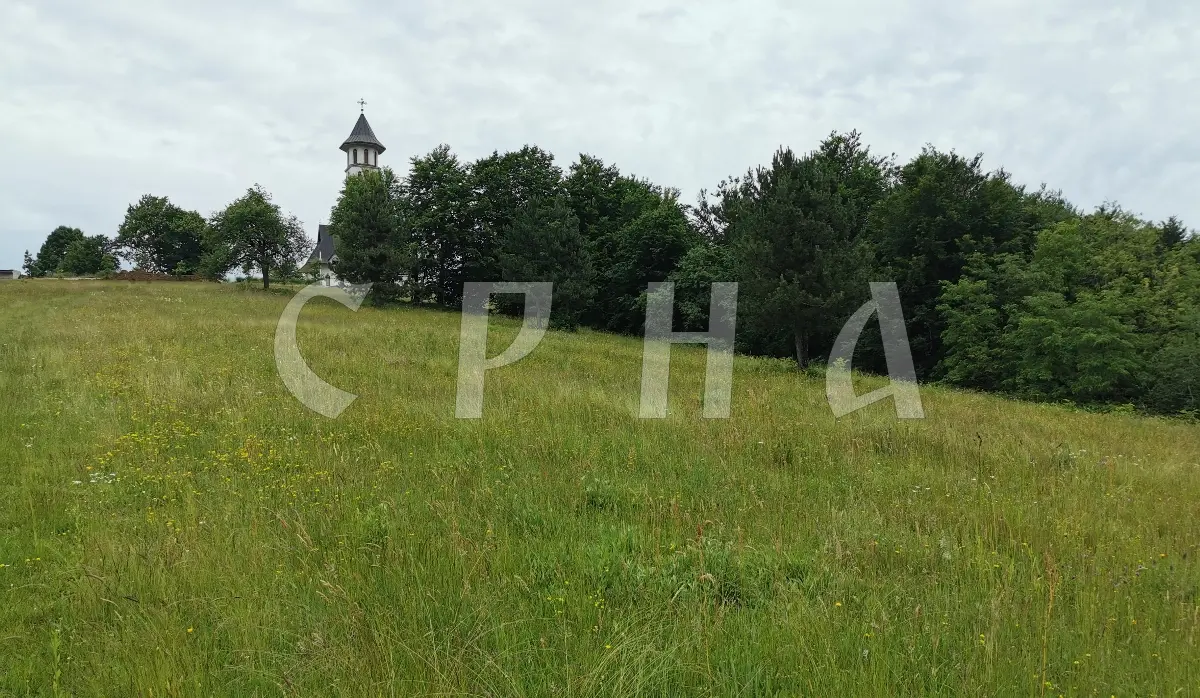
BANJA LUKA, JUNE 14 /SRNA/ – The protected area of Duge Njive contains more than 150 permanent and seasonal watercourses, highly diverse vegetation, 194 recorded species of fungi, 73 bird species, and Zborište, an air spa on Mount Trebava, Republika Srpska Minister for Spatial Planning, Construction and Ecology, Boris Vipotnik, told SRNA.
Vipotnik said that the protected area is located in the northern part of Republika Srpska, within the municipality of Modriča, at the meeting point of the Dinaric Alps and the Pannonian Plain, covering an area of 3,587.37 hectares.
He specified that the area contains a landscape with diverse habitats and numerous wild plant and animal species.
“The highest peak of Mount Trebava, Vis /692 meters/, and the Duga Njiva peak /622 meters/ dominate the surrounding landscape, offering broad panoramic views to the north and northeast, toward the Bosna River valley, Vučijak, and the wider Posavina region,” Vipotnik said.
The hydrological network is highly developed, he added, with more than 150 permanent and intermittent streams originating within short distances of one another, making water a constant landscape feature and a symbol of Trebava’s vitality.
“The vegetation is exceptionally diverse, dominated by mixed beech and oak forests, beech and holly woodlands, and mosaics of meadows, shrublands, and marginal agricultural land,” Vipotnik noted.
Considering that the years during which the research was conducted were exceptionally dry for fungi studies, Vipotnik said the discovery of 194 registered mushroom species was an impressive result, while significantly more species could be expected in wetter summers.
“In terms of animal life, forest, meadow, and aquatic insects predominate, especially butterflies and moths /145 species/, beetles, and freshwater crayfish,” Vipptnik stressed.
Of particular importance is the presence of the butterfly species Euplagia quadripunctaria, recorded at several locations and listed in Annex II of the EU Habitats Directive.
According to Vipotnik, six fish species have been recorded in Trebava’s many watercourses, while research into the local herpetofauna identified eight reptile species and six amphibian species.
“During researches conducted on Trebava, 73 bird species were recorded within the proposed protected area. These include typical forest birds, owls, woodpeckers, tits, thrushes, finches, as well as species associated with open and mosaic landscapes, such as larks and wagtails,” Vipotnik emphasized.
He stressed that all recorded species are protected or strictly protected under domestic legislation.
Vipotnik noted that several sites within the area possess tourism potential and partially developed infrastructure suitable for hiking, recreational walking, camping, and excursions.
“One of the most promising locations is the so-called Zborište on the Duga Njiva summit, a plateau and ridge between the two dominant peaks of this upland area, known as a popular excursion site and air spa on Mount Trebava,” Vipotnik said.
The area, together with the surrounding micro-locations connected to the excursion site, stretches between 400 and 644 meters above sea level and lies only about 20 kilometers from Modriča, with nearby urban centres including Doboj, Doboj Istok, Gradačac, Gračanica, and Modriča.
He described the protected area as a living testimony to the relationship between people and their environment, where natural features, forests, watercourses, and settlements form an inseparable whole that shapes local identity and contributes to the rich diversity of Republika Srpska.
“The Republic Institute for the Protection of Cultural, Historical and Natural Heritage opted to protect the area in the category of a protected natural landscape, which refers to an area of significant biological, ecological, and aesthetic value where the traditional way of life has not substantially disturbed nature and natural ecosystems,” Vipotnik explained.
According to him, it is precisely this combination of natural values and the legacy of human activity that gives the landscape a high aesthetic and cultural identity value, in line with the principles of the Council of Europe’s European Landscape Convention.
Tourist attractions include several groups of natural and built features, a sports and recreation centres, viewpoints, and trails suitable for hikers, excursionists, and other visitors.
There are currently 37 protected areas in Republika Srpska, covering a total of 77,755.37 hectares, which represents 3.16 percent of the territory of Republika Srpska.