DODIK: DOBROVOLJAČKA STREET - REMEMBERING INNOCENT VICTIMS, COWARDLY ATTACK AND BROKEN WORD
Republika Srpska - culture of remembrance
05/02/2026
17:59
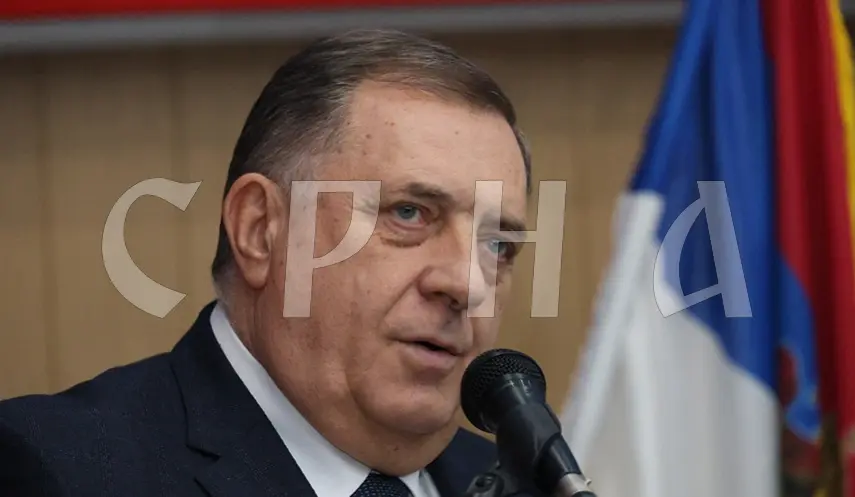
BANJA LUKA, MAY 2 /SRNA/ - Dobrovoljačka Street in Sarajevo is a symbol of a brutal crime against members of the JNA who, despite an agreement on peaceful withdrawal, were ambushed and killed in an attack carried out by members of Muslim paramilitary formations, said SNSD president Milorad Dodik.
“On May 3, 1992, in the heart of Sarajevo, a crime was committed against JNA soldiers who, in accordance with previously reached agreements on peaceful withdrawal, were in a convoy that was supposed to leave the city. Instead of the safe passage that had been promised to them, they were met in an ambush, under bursts of gunfire and an attack that took many lives and left their families in deep mourning,” Dodik told SRNA on the occasion of 34 years since the crime members of the Muslim paramilitary formation Green Berets committed against JNA members in Dobrovoljačka Street.
He said that members of that paramilitary formation were executors of the radical official policy of the then Muslim leadership, which was prepared to do anything to achieve its idea of a unitary, Muslim BiH.
“That 'anything' included sacrificing peace for the sake of creating a Muslim state of BiH, as their leader Alija Izetbegović used to say. In support of this are the organization of the referendum on the independence of BiH on March 1, 1992, conducted against the will of Serbs, who, as a constituent people, were outvoted, the killing of a Serb wedding guest in Baščaršija, as well as the mass crime in Sijekovac on March 26. All these events sent a clear message to Serbs about the fate awaiting them in the BiH desired by Muslims," Dodik emphasized.
He reminded that the first to feel this criminal policy were the Serbs of Sarajevo, who were already in early March 1992 exposed to an atmosphere of fear and uncertainty that soon escalated into open hostility toward everything Serbian.
Dodik pointed out that killings of members of the JNA in Sarajevo began on April 20, 1992, when two soldiers were killed in Bistrik, and continued two days later when eight members were killed in Veliki Park.
“The peak of those atrocities was on May 2, when at least 19 members of the JNA were killed in Skenderija, and the following day the killings continued when, during the agreed peaceful withdrawal of the JNA convoy, for which UN forces were the guarantor, at least nine more persons were killed in Dobrovoljačka Street, while around 50 were wounded and several were captured and subjected to severe torture," said Dodik.
Dodik stated that these were sons, brothers, and fathers, young men who did not choose war, but became victims of monsters at the moment they believed they were returning to their homes and families.
“Their suffering is not just numbers, but unfulfilled dreams, empty chairs at family tables, and tears of mothers that even time cannot dry," emphasized Dodik, adding that it is especially painful that, more than three decades later, justice for this crime has still not been served.
He said that the families of the victims continue to live with pain, but also with a feeling that their loved ones have been forgotten by those who are supposed to protect truth and justice.
“Attempts to downplay this crime, to diminish or justify it, the suspension and reopening of investigations further deepen the wounds and send a dangerous message that a crime can remain unpunished. This playing with innocent victims and their families only adds salt to the wound and once again confirms that there are no rights or justice for the victims of Muslim perpetrators. We must always remember their sacrifice, keep it alive in our collective memory, and ensure it is not forgotten. As long as we loudly recall their innocence and tragic end, they live,” said Dodik.
He emphasized that remembrance of Dobrovoljačka Street is also a call for truth, accountability, and justice.
“Therefore, it is our duty to speak, to remind, and not allow the truth to be suppressed. Dobrovoljačka Street must remain a permanent warning that no victim should be ignored, that no crime should be justified, and that justice, no matter how delayed, must also be attainable for crimes committed against the Serb people,” Dodik said.