DODIK: DESPITE UNPRECEDENTED ATROCITIES, PEOPLE OF KOZARA ENDURED AND SURVIVED IN THEIR HOMELAND
Republika Srpska - Kozara - culture of remembrance
07/10/2026
17:27


BANJA LUKA, JULY 10 /SRNA/ – Kozara occupies one of the most poignant places in the collective memory of the Serb people as a site of immense suffering and remains an enduring testimony to a time when Serbs were once again, according to President Milorad Dodik, marked for complete destruction and extermination, yet managed to rise again and survive despite unimaginable hardship.
"Faced with the fascists' genocidal intent to completely eradicate them from their ancestral homes, the Serbs of the Kozara region wrote one of the most tragic chapters of the Second World War in 1942. Although a vastly superior enemy succeeded in encircling them, it failed to break the spirit of a people who chose death in the struggle for freedom over slavery, forced conversion and countless other humiliations," Dodik said in a statement to SRNA ahead of the 84th anniversary of the Battle of Kozara.
He said Kozara represents both an eternal source of sorrow and a lasting source of pride for the Serb people, symbolizing indescribable suffering and extraordinary resistance to fascism.
"During the summer of 1942, unarmed Serb civilians - the elderly, women and children - found themselves trapped by fascist forces and their local collaborators. Their only 'crime' was their name, their origin and their identity. When we speak of Kozara, we cannot help but remember the thousands of slaughtered children, destroyed families and extinguished family lines. It is a wound that will never fully heal, but also a beacon reminding us of the immense price of freedom, Serbian pride and dignity," Dodik stressed.
He reminded that German and Ustasha forces numbering around 35,000 troops encircled the liberated Kozara area, while only about 3,500 fighters of the Second Krajina Partisan Detachment defended approximately 80,000 Serb civilians trapped within the encirclement.
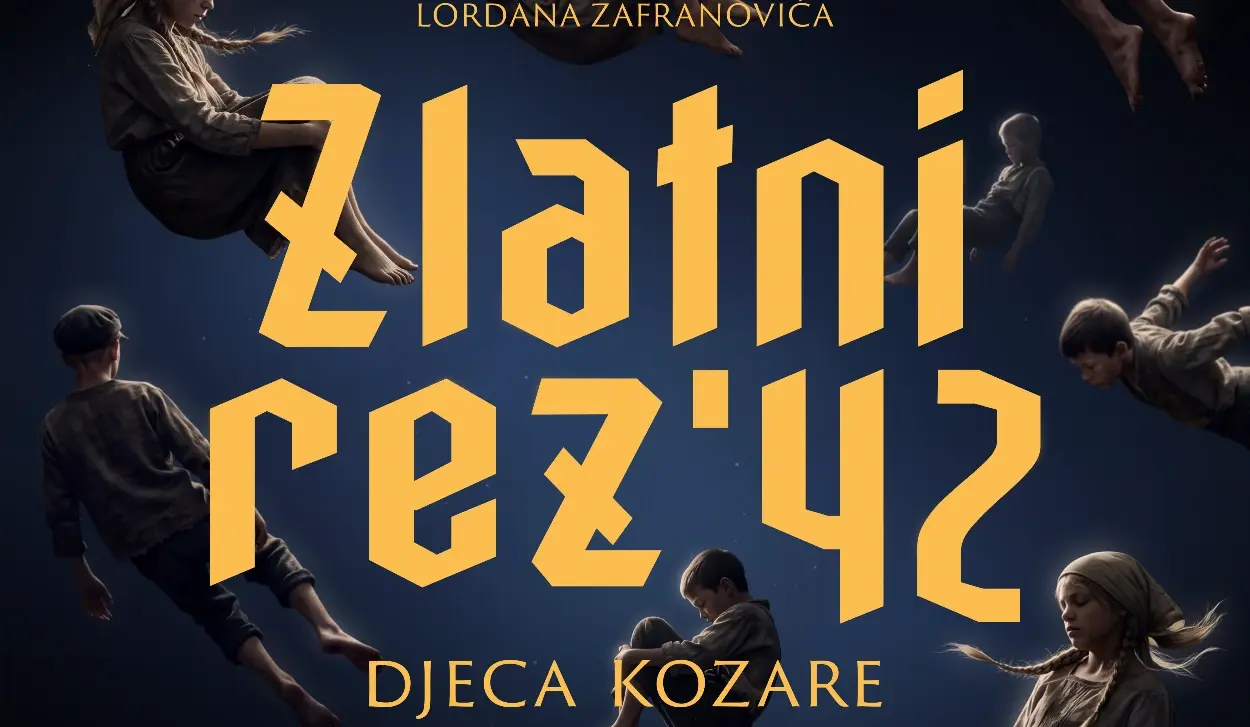
According to Dodik, around 800 fighters and 10,000 civilians managed to break through the siege, while more than 68,000 Serb civilians were captured, including over 23,000 children who were taken to the Jasenovac and Stara Gradiška concentration camps, where they were subjected to torture and the most brutal methods of killing.
"The tens of thousands who were taken to death camps such as Jasenovac oblige us never to forget the price that was paid for freedom. Today we bow our heads before the victims, but stand tall in admiration of their courage, committed to preserving the memory of their immense sacrifice," Dodik emphasized.
He said the scale of what he described as a planned genocide against the Serb population of the Kozara region is reflected in the fact that 142 villages were looted, destroyed and burned.
"All of those villages were left without a single adult male in 1942. After the Second World War, the people of Kozara waited 18 long years before they were able to send their first military conscript to serve in the army," Dodik pointed out.
He also said the communist authorities led by Josip Broz Tito deliberately concealed the number and identity of those killed at Kozara, as well as information about the notorious children's camps.
"The communists' attitude toward Serb victims is also illustrated by the fact that, in the 1970s, they erected a monument at Mrakovica and named it the 'Monument to the Revolution'," Dodik pointed out.
He added that history textbooks likewise avoided stating that Serbs had been the primary victims at Kozara and elsewhere across the former Yugoslavia, instead referring only to "partisans and civilians" in an effort to preserve what he described as the narrative of brotherhood and unity.
"As always, it was to the detriment of the Serbs, who alone naively believed in that brotherhood and unity while our neighbors, Muslims and Croats, were preparing for new wars," Dodik said.
"They were able to falsify history for decades, but no one has ever been able to hide the truth and the facts forever, because sooner or later they come to light. The same is true when we speak about Kozara and other sites of Serb suffering - Brod na Drini, Garavice, Prebilovci, Krajina, Podrinje, Posavina, the Sarajevo-Romanija region and many other places where Serbs suffered mass atrocities," Dodik said.
He stressed that over the past two centuries the Serb people had suffered repeated mass persecution, pogroms, ethnic cleansing and attempts to eradicate everything Serbian. Yet, despite villages and towns being reduced to ashes and the silence left by the loss of countless children, the Serb people never bowed their heads and repeatedly found the strength to rise again like a phoenix.
"Our history has been written in tears and blood. Yet today, after all the hardships, we have our homeland Republika Srpska, where we are masters of our own destiny and where our institutions work every day to build a better, stronger and more prosperous republic in which people have every reason to stay, live, work and raise families. We owe this to our ancestors, who built the foundations of Republika Srpska and the freedom we enjoy today with their lives. We must never forget their sacrifice. Eternal glory to them. We will pass on the truth about them from generation to generation," Dodik said.