CVIJANOVIĆ: U.S. COOPERATION POSSIBLE IN ENERGY, INFRASTRUCTURE AND DEFENSE SECTOR
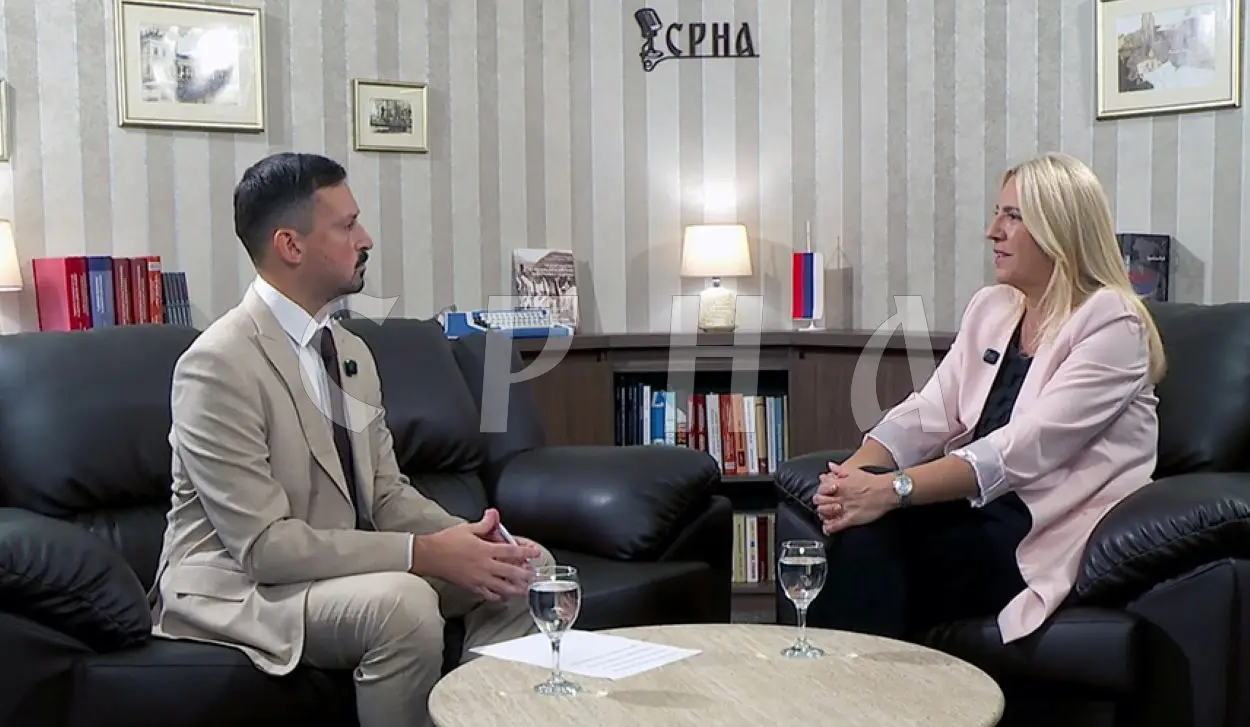
Republika Srpska - SRNA - podcast
10/13/2026
15:18

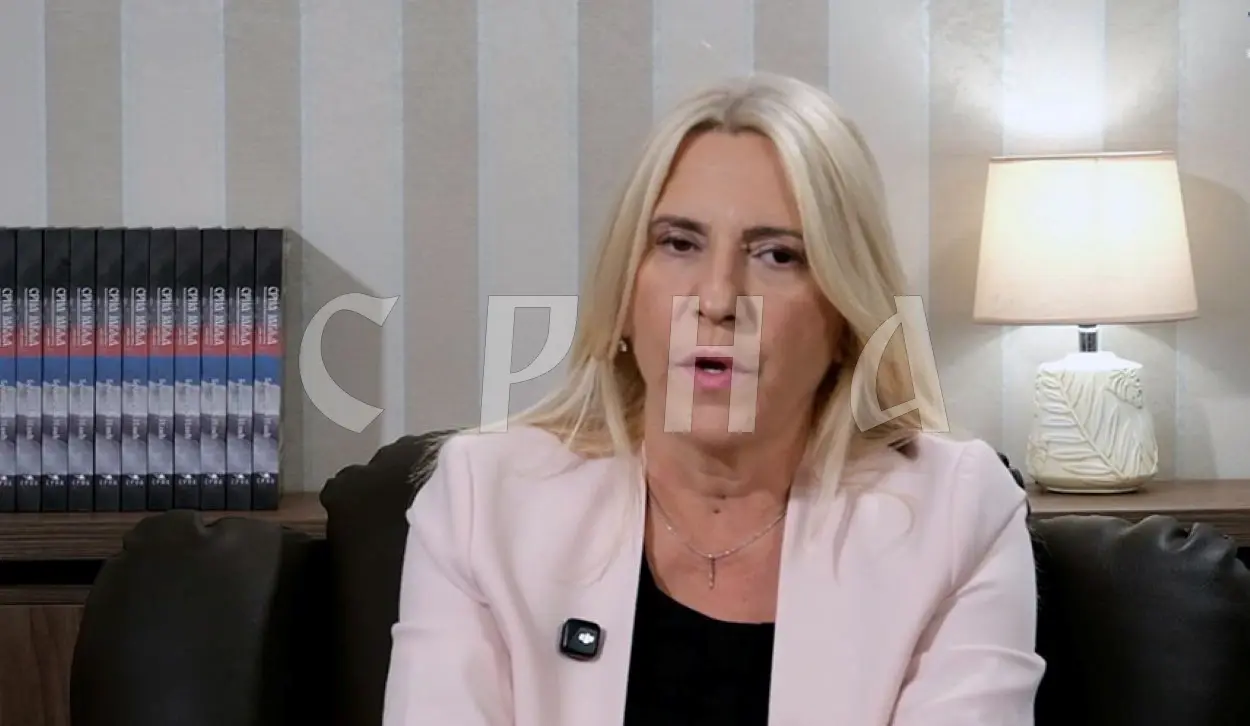
BANJA LUKA, OCTOBER 13 /SRNA/ - The Serb member of the BiH Presidency Željka Cvijanović said the current US administration had shown a balanced approach toward BiH and that opportunities were open for economic cooperation in energy, infrastructure and the defense industry.
"The United States has shown a balanced approach during this period in terms of the needs of BiH representatives, constituent peoples and institutions," Cvijanović said in a podcast produced by the Media System of Republika Srpska - SRNA.
She said the current US administration's policy toward BiH was based on local solutions and institutions, respect for representatives of the constituent peoples, preservation of peace and stability, and economic cooperation.
"We did not seek any preferential status, only that no one else should be in a privileged position and that everyone should be treated equally," Cvijanović said.
She said conditions had been created for a different approach to relations in BiH, without the pressures and measures that had previously been directed at Republika Srpska.
Speaking about the possible economic benefits of contacts with the US administration, Cvijanović said there was a broad range of areas in which cooperation could be developed, primarily in the energy sector, but also in the defense industry and infrastructure.
She said projects would take time to implement given political developments in BiH, but stressed that serious talks were under way and there was interest in cooperation.
"This is an area for cooperation, not a place to be ruled with a heavy hand as it once was. I think some important projects will be implemented," Cvijanović said in a new episode of SRNA's podcast published on its YouTube channel.
She said economic cooperation could help give political relations more concrete substance by linking the interests of different sides through joint projects.
Speaking about US President Donald Trump's cooperation with Russia, Cvijanović said she viewed the current approach as pragmatic and free of artificial and ideological divisions.
She said such efforts should be welcomed, particularly when they could help normalize economic relations and ease the burden on citizens and businesses affected by strained relations.
"I see this as a practical, pragmatic measure that should help regulate certain disrupted relations, primarily in the economic sphere, but also in terms of the lives of citizens and businesses that are suffering because of those relations. Such efforts should be welcomed," Cvijanović said.