CVIJANOVIĆ: NATIONS THAT REFUSED TO DISAPPEAR
Republika Srpska - Israel
06/21/2026
18:29
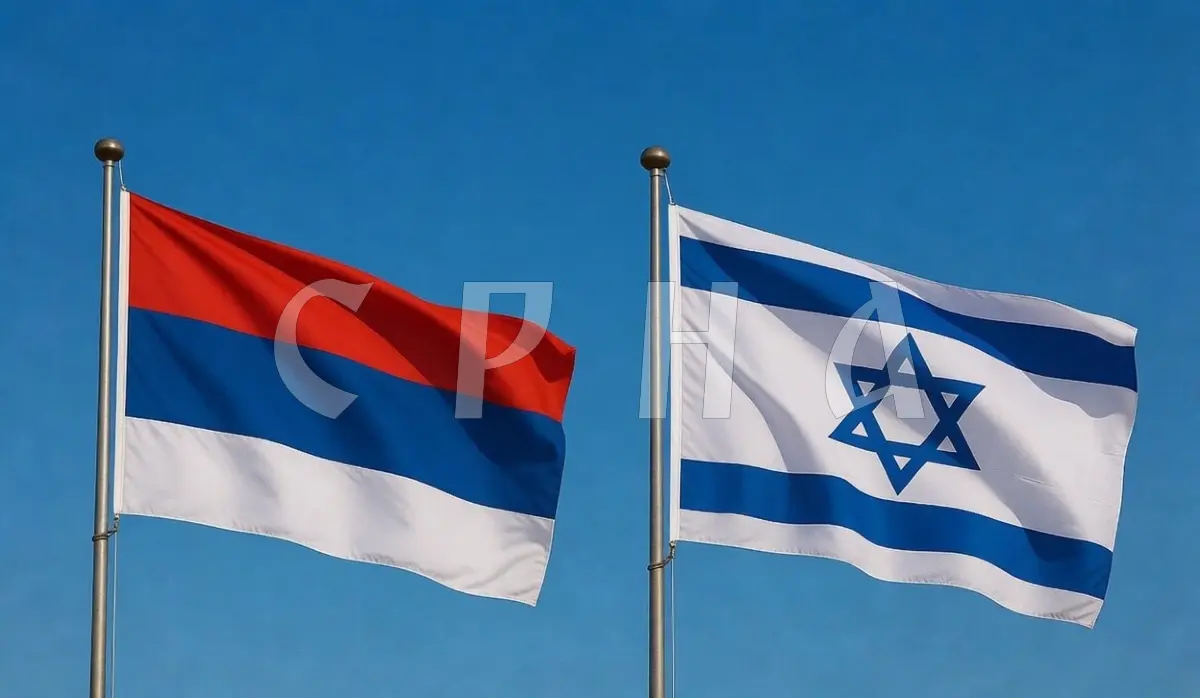
JERUSALEM, JUNE 21 /SRNA/ – Serbs and Jews were assigned the same role during the darkest moments of 20th-century human history, but they refused to be erased from Earth and will never allow the martyrs of Jasenovac or the victims of the Holocaust to be forgotten or such crimes to be repeated, said Željka Cvijanović, the Serb BiH Presidency member.
Cvijanović wrote in a special column titled “Nations That Refused to Disappear” for Israel Hayom about shared memory with the Jewish people, parallel struggles, and the need to resist international pressure while preserving sovereignty and identity.
She emphasized that a shared past is an important, but not the only, basis for good relations in international politics.
The column, published in one of Israel’s most widely read and influential media outlets, was fully broadcasted by SRNA:
There is an old saying that those “who do not remember history are doomed to relive it”, within that lies a strong connection between the Serb and Jewish peoples.
During the darkest moments of human history in the 20th century, both Serbs and Jews were assigned the same role.
However, we refused to be erased from Earth. In a world of cold calculations in international relations, our alliance remains pure and unbreakable precisely because of our shared survival in nearly impossible conditions.
Fleeing the Inquisition from the Iberian Peninsula at the end of the 15th century, Sephardic Jews began arriving in the Balkans.
During the Ottoman Empire, they enriched society with their trading skills and connections, contributed to culture with Mediterranean customs and habits. Later, after Serbia gained its statehood, Sephardic Jews became fully integrated into the struggle of the young state for independence, participating in the Balkan Wars and contributing to the development of science and culture.
Famous writer Oskar Davičo, painter Leon Koen, renowned novelist David Albahari, and many others became an integral part of Serb culture and history.
I would also like to note that Theodor Herzl, one of the founders of Zionism, had roots in Zemun near Belgrade, where he also has a street named after him. On the other hand, due to their heroism during World War II and the hiding of Jews from the Nazis, Yad Vashem has recognised more than 130 Serbs as “Righteous among the Nations.”
Thus, our solidarity and assistance are mutual and sincere, as is our shared suffering. The Ustasha-run concentration camp Jasenovac is the largest site of Serbs’ suffering in World War II, and one of the largest Jewish sites of suffering in the same period.
However, shared history is an important but not the only reason for good relations in international politics. Therefore, the friendship between the Serb and Jewish peoples is especially significant, as we face similar problems in relation to the hypocritical attitude of the international community toward our states.
People who, from comfortable armchairs and a safe distance, wish to lecture others morally and dilute the sovereignty of other nations will bear no consequences for their actions. That is why we have no right to bend under their pressure, but must act in the best interest of our citizens and respect the sacrifice of our ancestors.
We understand what it means to live and survive in a complex, often hostile environment. That is why we understand Israel’s position today.
The rise of antisemitism in Bosniak-Muslim communities in BiH today is not just another trend - it is a reminder of what has been and what could happen again. Therefore, we continuously fight against it and use all available political and diplomatic resources to point out the wave of antisemitism and anti-Serb sentiment over our country.
Because of the above mentioned, I must emphasize, since the beginning of the Gaza conflict, rallies in support of Palestine and Iran with wartime flags and extremist symbols have been organised in Sarajevo, while commemorations for Israeli victims have been banned. Due to security risks, the anniversary of the Hamas attack was moved to Istočno Sarajevo in Republika Srpska.
Taking in account all aforementioned, we have to point to our historical position before the UN Security Council in 2011, when thanks to Republika Srpska’s position, BiH’s support to Palestine’s UN membership failed.
In 2025, new incidents followed. After institutional pressure from Bosniak politicians who called Israel a “genocidal creation”, Conference of European Rabbis scheduled in Sarajevo was canceled, drawing strong international condemnation.
She added that the National Museum of BiH donated proceeds from ticket sales for the Sarajevo Haggadah to Palestine, which the Israeli ambassador described as misuse of Jewish heritage.
A series of incidents concluded with an event in a Sarajevo hotel where staff allegedly threw Israeli tourists’ passports into the trash. In contrast, no antisemitic incidents have been recorded in Republika Srpska. Leadership and representatives of Republika Srpska expressed condolences on October 7, and the presidential building was illuminated in the colors of the Israeli flag, as is also done on Israel’s Independence Day.
Our shared history has taught us a fundamental truth: the right to self-determination and preservation of historical truth is imperative. We will never allow the martyrs of Jasenovac or the victims of the Holocaust to be forgotten, nor will we allow such crimes to happen again.
Despite numerous pressures, Republika Srpska remains a stable and consistent partner of the State of Israel, and we follow your struggle for survival and sovereignty with great respect, seeing in it a reflection of our own determination to preserve our position, competencies, autonomy, constitutional status, and above all our identity.