745 WOMEN CALLED DOMESTIC VIOLENCE HOTLINE SINCE JANUARY
Republika Srpska - domestic violence
10/28/2026
08:46

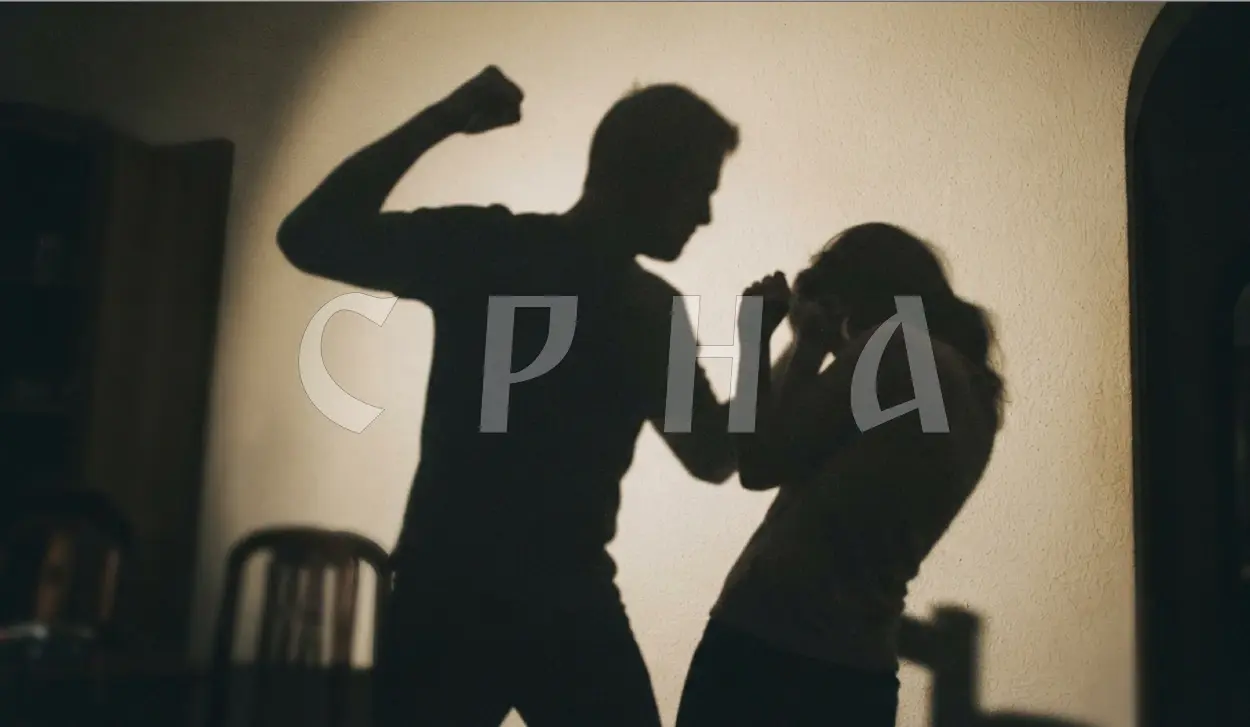
BANJA LUKA, OCTOBER 28 /SRNA/ - Since the beginning of the year, 745 abused women have called the SOS hotline for victims of domestic violence in Republika Srpska, and nine women and 15 minor children have been placed in safe houses, Lana Jajčević, a legal adviser at the United Women Foundation, told SRNA.
Jajčević said physical violence was the most frequently reported, followed by psychological violence.
"Almost every report contains elements of both, but women tend to decide to report it when physical violence is dominant, and in its most severe forms," Jajčević said, adding that 99 women have used the legal counseling service since January.
She said violence is escalating and severe forms of physical violence are becoming more frequent, which she believes is due to lenient sentencing policy.
Jajčević stressed that victims who come for legal counseling sometimes say they do not want to report their abuser because they were met with a lack of understanding from police officers.
"They are often told it's a marital misunderstanding, not violence against women. The warning is usually directed at the woman, telling her to calm down a bit until her partner sobers up or settles down," Jajčević explained.
Although the message is being sent that violence is punishable, Jajčević said sentences are still so low that they fail to achieve general deterrence, that is, the purpose of legally punishing violence against women.
She noted that the adoption of Republika Srpska's Law on Protection from Domestic Violence and the introduction of specialized services for women and children who are victims of domestic violence, such as safe houses, the SOS hotline, and legal and psychological counseling, have encouraged women to report their abusers, but that unreported cases still exist.
"Women's continued reluctance to report violence is certainly influenced by the rise in the number of women killed and by the decision not to include femicide as a separate criminal offense in our legislation," Jajčević said, adding that low sentences for violence and the failure of protection bodies to act in line with the law also play a role.
According to her, after leaving safe houses some victims of violence find shared accommodation because it makes the costs easier to bear, stressing that this is neither a satisfactory nor a lasting solution.
She concluded that there is still a lot of room to improve the position of women victims of violence, and that society still needs to do much more to improve and advance their situation.