UNCERTAINTY IS NOT ATTRACTIVE TO INVESTORS
Hungary - parliaments - Stevandić
02/27/2026
15:13
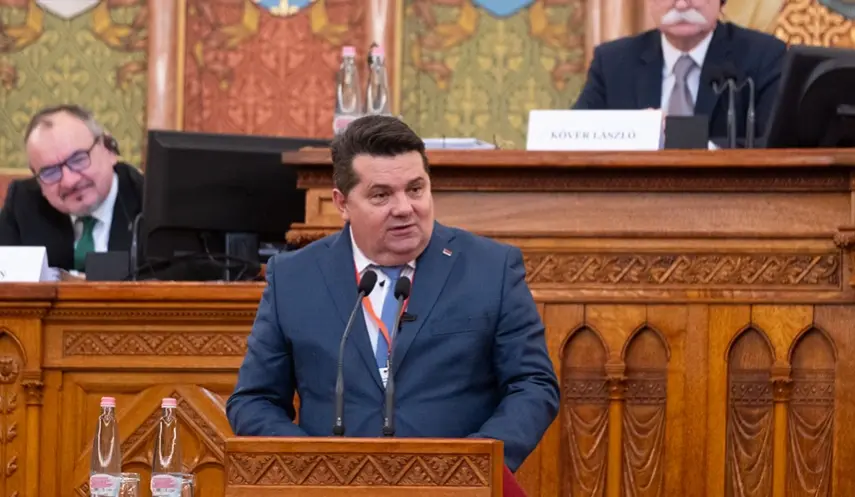
BUDAPEST, FEBRUARY 27 /SRNA/ - The Speaker of the Republika Srpska National Assembly, Nenad Stevandić, emphasized at the Conference of Speakers of Parliaments of Southeast European countries, in the segment devoted to the economy, that investors do not go where there is uncertainty and that parliaments play a key role by ensuring legislative stability.
Speaking today in Budapest, Stevandić highlighted that BiH has significant energy potential in the field of hydropower, and that Republika Srpska possesses important capacities that can be part of a broader regional energy network.
Stevandić emphasized that energy security today is not a matter of ideology but of sustainability, and that without a stable energy supply, there can be no industrial development.
"Without industrial development, there are no new investments, and without investments, there is no demographic or social stability. That is why diversification of supply sources, the construction of interconnectors, and the strengthening of regional cooperation in the energy sector are of crucial importance for the region," Stevandić said.
He pointed out that connectivity does not mean dependence, but resilience.
"Republika Srpska remains committed to investment, energy stability, and infrastructural connectivity within the constitutional framework of BiH and in partnership with all interested stakeholders," Stevandić emphasized.
During his address in the second part of the Conference, on the topic “Economic Investment and Energy Connectivity: Challenges and Opportunities in Southeast Europe,” Stevandić said that it is necessary to accelerate the development of transport infrastructure linking the Western Balkans with Central Europe.
"Investors do not go where there is uncertainty. That is precisely why parliaments have a key role; legislative stability and legal certainty are the foundation of any serious investment cycle," Stevandić said.
He pointed out that Southeast Europe, in a time of global disruptions and energy shocks, must strive for greater resilience, which means more coordination, more joint projects, and fewer administrative barriers.
He emphasized that the EU must not lose its geopolitical balance or become a hostage solely to Brussels bureaucracy, and that it will not complete its presence if it keeps the peoples and states of the Western Balkans in a prolonged "waiting room" or demands that they renounce their own interests and cultural heritage.
"We believe the EU must not lose its way through misunderstandings with either Russia, the United States, China, or India," Stevandić emphasized.
According to him, a policy of balance and interests should serve peace, reconciliation, and economic rationality, ensure stable and affordable energy sources, guarantee food security, and promote a sustainable, environmentally responsible future.
He also emphasized that avoiding escalation and confrontation with any nuclear power is not a sign of weakness, but of responsible policy, and that the experience of the Visegrad Group shows that regional cooperation can be a driver of economic growth.
"The economy does not tolerate prolonged uncertainty. Energy does not tolerate indecision. Investments do not tolerate legal instability. That is why it is our shared responsibility to position Southeast Europe as a space of connectivity, security, and long-term growth," Stevandić concluded.


KOVAČEVIĆ: NOT EVEN THE GREATEST WORLD EMPIRES AND ALLIANCES MANAGED TO BREAK SERB UNITY, LET ALONE POOR SARAJEVO
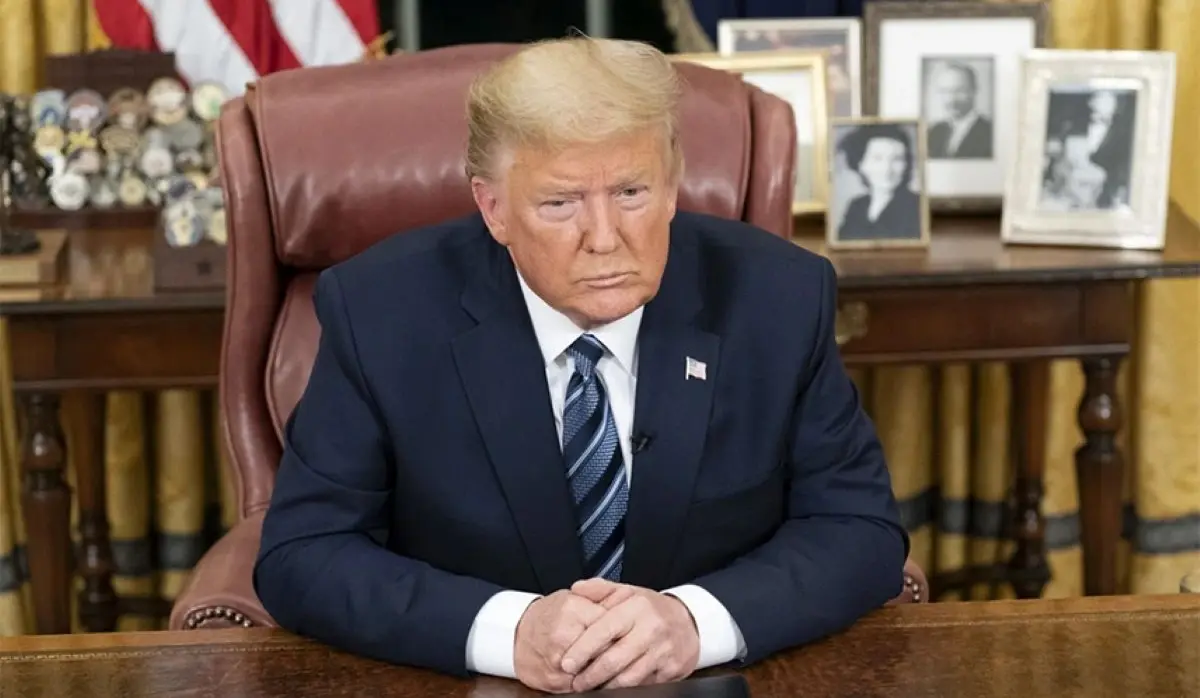
TRUMP: KIEV AND MOSCOW AGREE NOT TO ATTACK ENERGY PLANTS
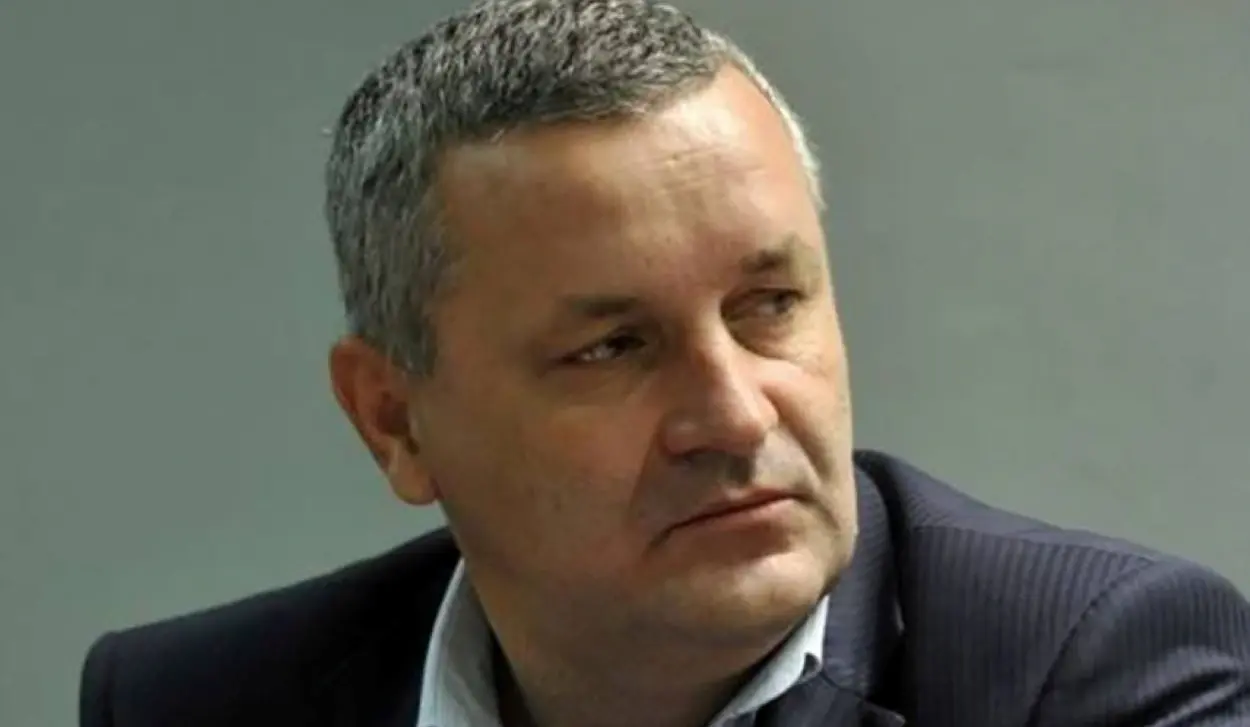
LINTA: CALL TO BOYCOTT SERB PRODUCTS - TOOL FOR DEEPENING DIVISIONS
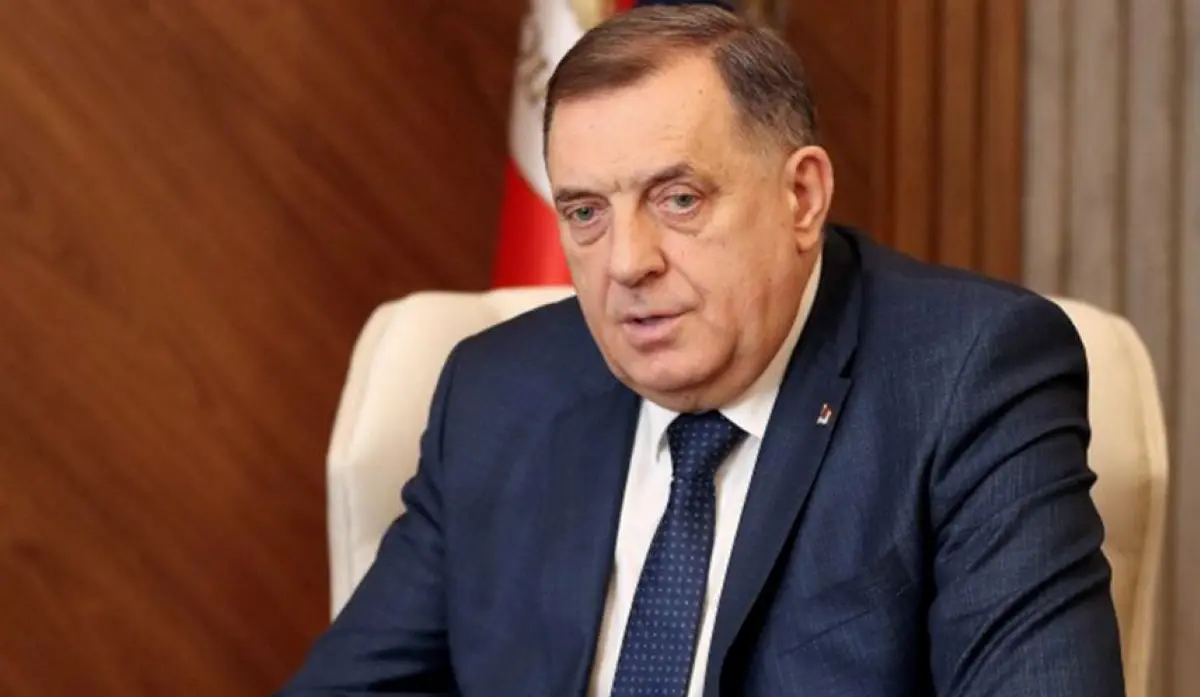
DODIK: FLIGHT BAN FOR PRIME MINISTER MACUT - ATTACK ON ALL SERBS