UNACCEPTABLE POLITICAL MESSAGE FROM BiH, CROATIA AND MONTENEGRO
Serbia – UN – Linta
11/12/2026
21:00

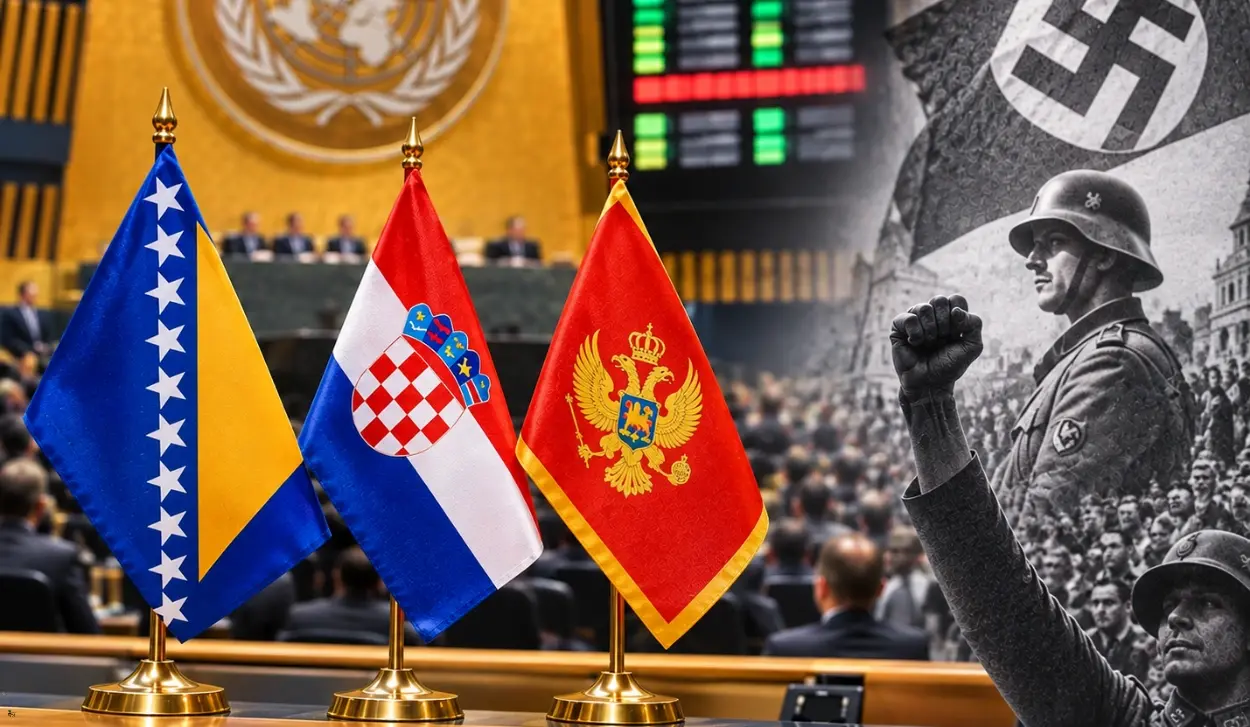
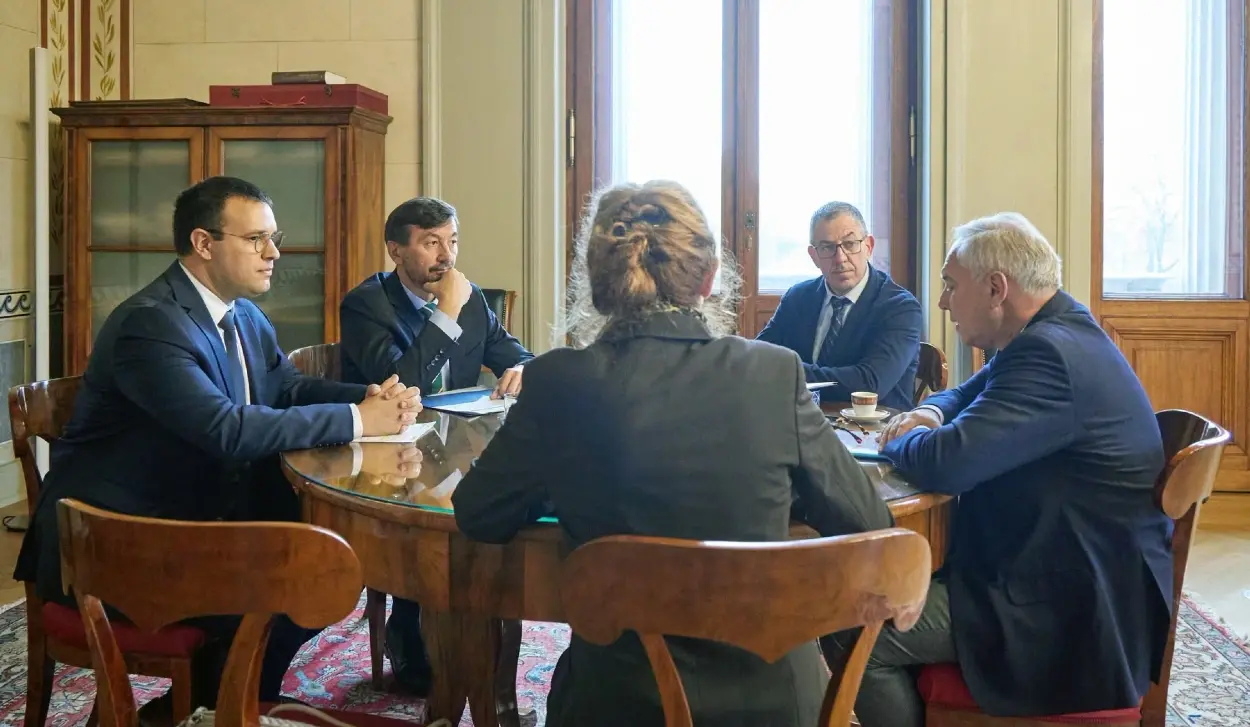
BELGRADE, NOVEMBER 12 /SRNA/ – Chair of the Association of Serbs from the Region Miodrag Linta says that the fact that BiH, Croatia and Montenegro voted against the Russian resolution combating the glorification of Nazism, neo-Nazism, racism and xenophobia in the UN General Assembly represents unacceptable political message.
Linta said that BiH Ambassador to the UN Zlatko Lagumdžija had unilaterally decided that BiH would vote against the resolution, without obtaining prior approval from the competent institutions and the Serb representatives.
“An individual cannot decide on BiH's foreign policy positions without the involvement of the competent institutions and without respecting the equality of the three constituent peoples, as this is contrary to the Dayton Accords and the Constitution of BiH,” Linta stressed.
He added that it was not surprising that Croatia had failed to support a document condemning an ideology responsible for millions of innocent victims, given that the Serb people were among the greatest victims of Nazism and the Ustasha regime during the Second World War, announced the Association of Serbs from the Region.
He noted that systematic genocide against Serbs, Jews and Roma had been carried out in the Independent State of Croatia.
Linta stressed that combating Nazism and its contemporary forms must be consistent and free of political double standards.
“It is unacceptable to condemn certain forms of glorifying Nazism while simultaneously remaining silent about or justifying Ustasha ideology, Ustasha symbols and the salute ‘For the Homeland – Ready’,” Linta said.
The UN General Assembly adopted yesterday a resolution entitled “Combating the Glorification of Nazism, Neo-Nazism and Other Practices that Contribute to Fueling Contemporary Forms of Racism, Racial Discrimination, Xenophobia and Related Intolerance”, proposed by Russia.
The document was supported by 117 countries, including Serbia, while 53 countries voted against it, among them the United States, NATO member states and Ukraine, as well as BiH, Croatia and Montenegro.