THEY WANT TO TURN VUKOVAR INTO WHAT BOSNIAKS HAVE MADE OF SREBRENICA
Serbia - European Parliament - Štrbac
11/26/2026
17:47

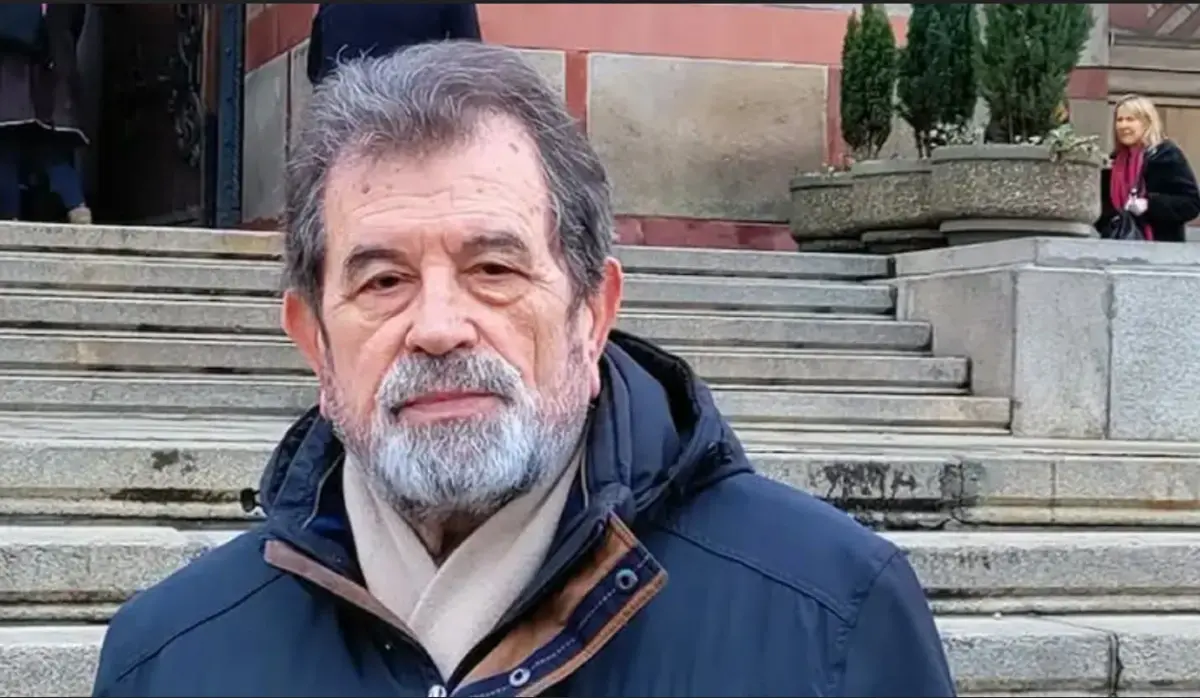
BELGRADE, NOVEMBER 26 /SRNA/ - Accepting the demands set out in the resolution on Vukovar, adopted by the European Parliament, would amount to a form of capitulation by Serbia, which is being blackmailed in this way, Savo Štrbac, director of the Veritas Documentation and Information Centre, told SRNA.
Štrbac stressed that the resolution presents a one-sided account of events, singling out just one episode — Vukovar — from the broader context of the breakup of the Socialist Federal Republic of Yugoslavia /SFRY/ and the many wars and events that took place.
"Now they want to turn Vukovar into what the Bosniaks have made of Srebrenica. They are elevating it to that level, disregarding the facts and the truth that, according to Veritas data, more than 500 Serbs were killed in the Vukovar municipality, around 350 of them in the city itself," Štrbac said.
Štrbac said that everything presented to Serbia through this resolution had already been demanded in the past, only in different formats, such as the recent annual report on Serbia's EU accession process and statements by Croatian politicians.
"Now it is up to Serbia to decide whether it will accept these ultimatums. If it does, it may one day become an EU member, but in my view, that would also amount to a kind of capitulation to these ultimatums. Or it can preserve its dignity, even if it never becomes an EU member," Štrbac said.
He noted that the text of the resolution describes the events as "Greater Serbian aggression, led by Milošević", a characterization that the majority of Serbia has never accepted. In particular, Serbs from Krajina cannot say that they committed aggression against Croatia, that is, against their own homes, properties, homeland and country, where they had lived for centuries.
Štrbac believes that it was a "civil war" with a religious component, adding that in such wars neither side is innocent.
He said that the figure does not include more than 1,100 members of the Yugoslav People's Army /JNA/ who were killed, along with a number of missing persons, during the Battle of Vukovar. He also pointed out that the casualty figures on both sides were horrific, yet the resolution makes no mention of them.
He also noted that no one has been convicted of crimes against Serbs before either Croatian or Serbian courts, or the International Criminal Tribunal for the former Yugoslavia in The Hague.
Štrbac noted that the resolution makes no mention of the fact that, before the blockade of the JNA barracks was lifted, more than 100 Vukovar residents, including householders, workers and farmers, were taken away for questioning, from which they never returned.
Instead, they were thrown into the Danube, and their bodies were even recovered from the river in various parts of Vojvodina.
"All of this is indisputable, yet not a word is said about it; it is being kept silent. This is what hurts us and fuels our opposition to this resolution and to this one-sided portrayal of the events in Vukovar in 1991," Štrbac said.
Commenting on the resolution's claims that those responsible for the crimes in Vukovar should be prosecuted, Štrbac said it made no mention of the fact that numerous members of the Yugoslav People's Army /JNA/ and Territorial Defense, as well as Serbian politicians, had been tried before the International Criminal Tribunal for the former Yugoslavia in The Hague and courts in Belgrade and Zagreb, while no one had been tried for crimes against Serbs.
The European Parliament adopted the resolution on Vukovar following a joint proposal by five political groups, submitted by 17 MEPs, including all 12 Croatian MEPs.