OSTOJIĆ: CULTIVATING A CULTURE OF REMEMBRANCE VERY IMPORTANT
Serbia - NATO bombing - culture of remembrance
03/23/2026
15:45
NIŠ, MARCH 23 /SRNA/ – No one has brought freedom to the Serb people; they had to fight for it themselves, defending their centuries-old homes, which is why cultivating a culture of remembrance is importan, said Radan Ostojić, the Minister of Labour, War Veterans and Disabled Persons Protection of Republika Srpska.
After attending the marking remembrance day titled "Not to Forget," commemorating 27 years since the defence of the Federal Republic of Yugoslavia against NATO aggression, Ostojić emphasized that a people that does not know own heroic history cannot have a bright future.
He pointed out that the culture of remembrance is passed on to younger generations via marking important dates, too.
He pointed to the importance for representatives of the Republika Srpska and the Serb people in Republika Srpska to preserve the memory of their glorious history, noting that Serbs did not attack anyone but defended themselves in order to prevent the genocide against the Serb people from repeating.
Ostojić emphasized that the Serb people fought for the most important ideal – freedom.
"No one brought freedom to us; we had to fight for it ourselves," Ostojić said.
He added that he attended a ceremonial gathering in Niš today, that he will lay wreaths tomorrow, then travel to Vranje, where the main commemoration of the Day of Remembrance for those who perished in the NATO aggression on March 24, 1999, will be held.
The commemoration event "Not to Forget" was held at the Serbia's Army Hall and was organised by the Niš branch of the Generals and Admirals of Serbia Caucus in cooperation with the Land Forces Command, the City of Niš, the Nišava Administrative District, the City Board of the Association of Military Pensioners of Serbia, and war veterans associations.
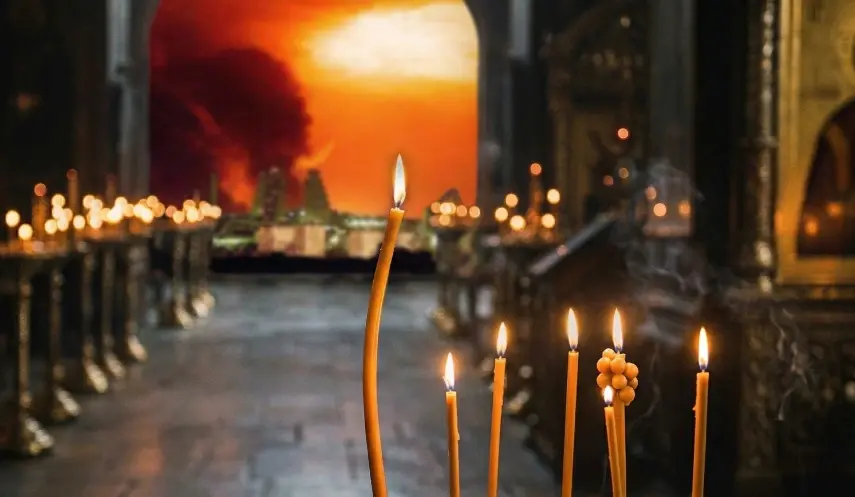
NATO aggression against the Federal Republic of Yugoslavia began on March 24, 1999, in the evening hours, without approval from the UN Security Council, and lasted 78 days. A total of 1,031 members of the army and police were killed, along with around 2,500 civilians, including 89 children.
Around 6,000 civilians were wounded, including 2,700 children, as well as 5,173 soldiers and police officers, while 25 people are still listed as missing.