ARBUTINA: WE ARE FORMING USTASHA SYMBOLS DATABASE FOR THEIR REMOVAL WORLDWIDE
Serbia - Museum of Genocide Victims
04/28/2026
09:48
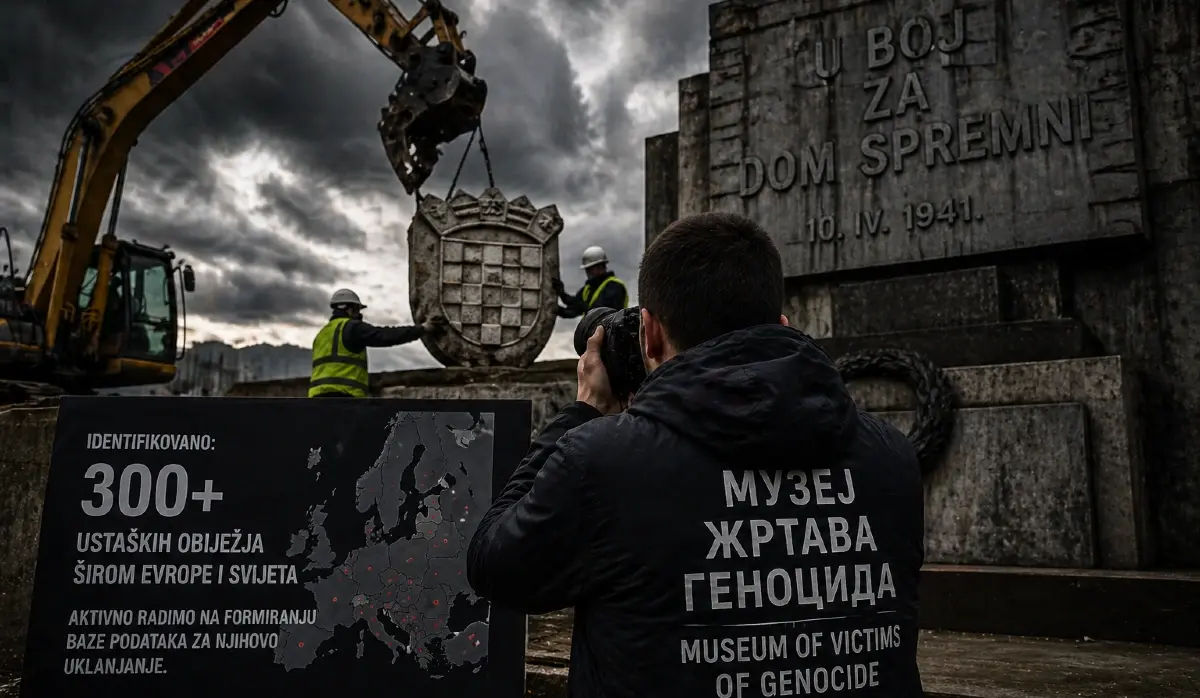
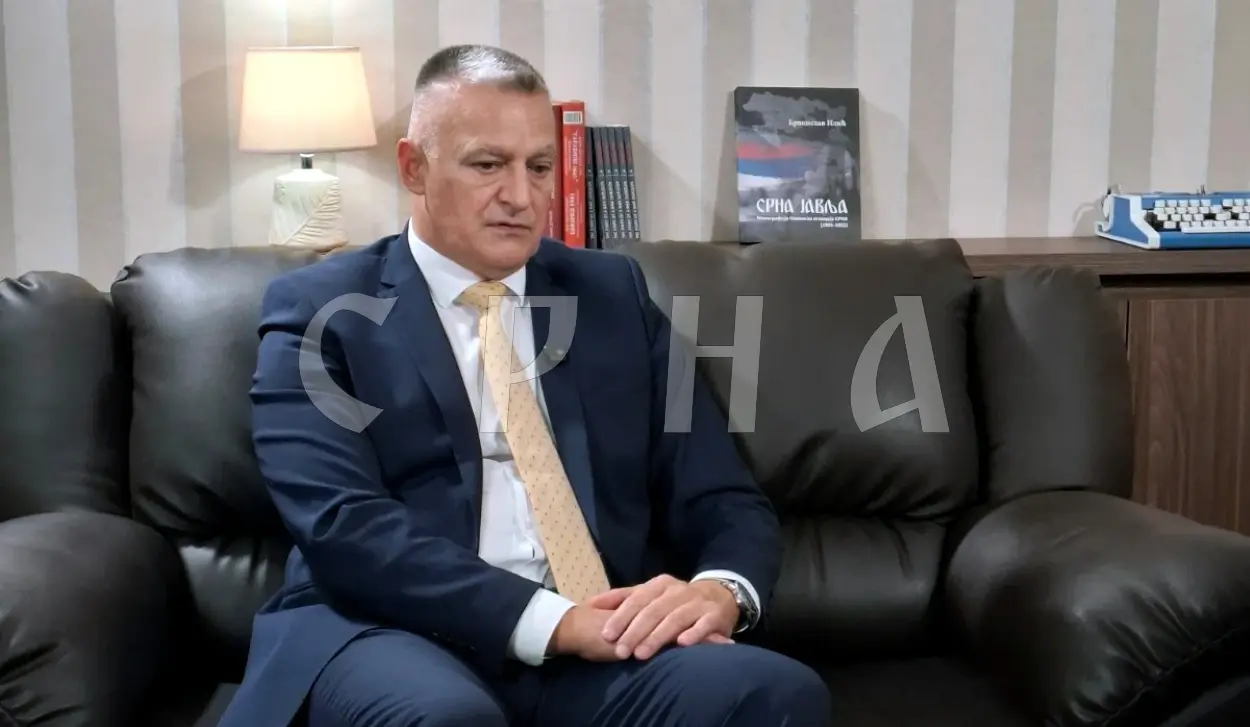
BELGRADE, APRIL 27 /SRNA/ – The Museum of Genocide Victims has so far identified several hundred Ustasha symbols displayed in public spaces across Europe and the world and is actively working on creating a database that will serve for their removal, Bojan Arbutina, Director of the Museum of Genocide Victims, told SRNA.
Arbutina stated that the exact number of Ustasha symbols displayed in numerous countries - on monuments, association plaques, or sports club emblems - has not yet been determined, but research is ongoing.
He added that the Museum is conducting extensive research based on archival materials, memoirs, periodicals, and other available sources, aiming to determine the locations of these symbols through written records.
"The Museum also receives significant assistance from the Serb diaspora, which is familiar with local conditions and possesses relevant information. They provide us with data, photographs, and, when it comes to individuals, short biographies, further enhancing the database," Arbutina said.
As a result of the Museum’s activities, the Government of Spain made a decision on April 14 to remove Ustasha symbols from the grave of one of the greatest criminals of the 20th century, Vjekoslav Maks Luburić, who was responsible for the deaths of hundreds of thousands of Serbs during World War II.
"We expect the decision to be implemented within the next two months, and in addition to removing the symbols, an informational plaque will be installed clearly stating what kind of criminal he was," Arbutina emphasized.
He also hopes for concrete results in Argentina, whose ambassador to Serbia, Osvaldo Marsico, was hosted for discussions about the Ustasha legacy in that country.
"At the beginning of June, in Buenos Aires, as part of Serbia’s delegation to the International Holocaust Remembrance Alliance /IHRA/, we will attend a plenary session. This will be an opportunity to further intensify our work and expect concrete results in the coming period," Arbutina said.
The database being created is a unique initiative originating from the Museum of Genocide Victims and stems from its role as a national cultural institution and a central body in the field of the culture of rememberance.
"To our knowledge, a similar initiative does not exist in institutions that preserve the memory of the Holocaust, primarily because Nazi symbols are legally banned and very rarely found across Europe," Arbutina said.
He believes that insufficient awareness among the European public about the suffering of the Serb people has led to Ustasha symbols persisting for decades throughout Europe.
Arbutina emphasized that in recent years the Museum has devoted significant attention to this issue, publishing numerous scientific monographs in English, hosting prominent experts, organising international conferences, and establishing continuous cooperation with relevant institutions worldwide dealing with the history of World War II.
"These activities have created the preconditions for raising the issue of removing Ustasha symbols, on which the Museum will insist," Arbutina concluded.