SERB MOTHERS STILL SEARCHING FOR REMAINS OF THEIR CHILDREN
FBiH - Vozuća - culture of remembrance
09/10/2026
14:29

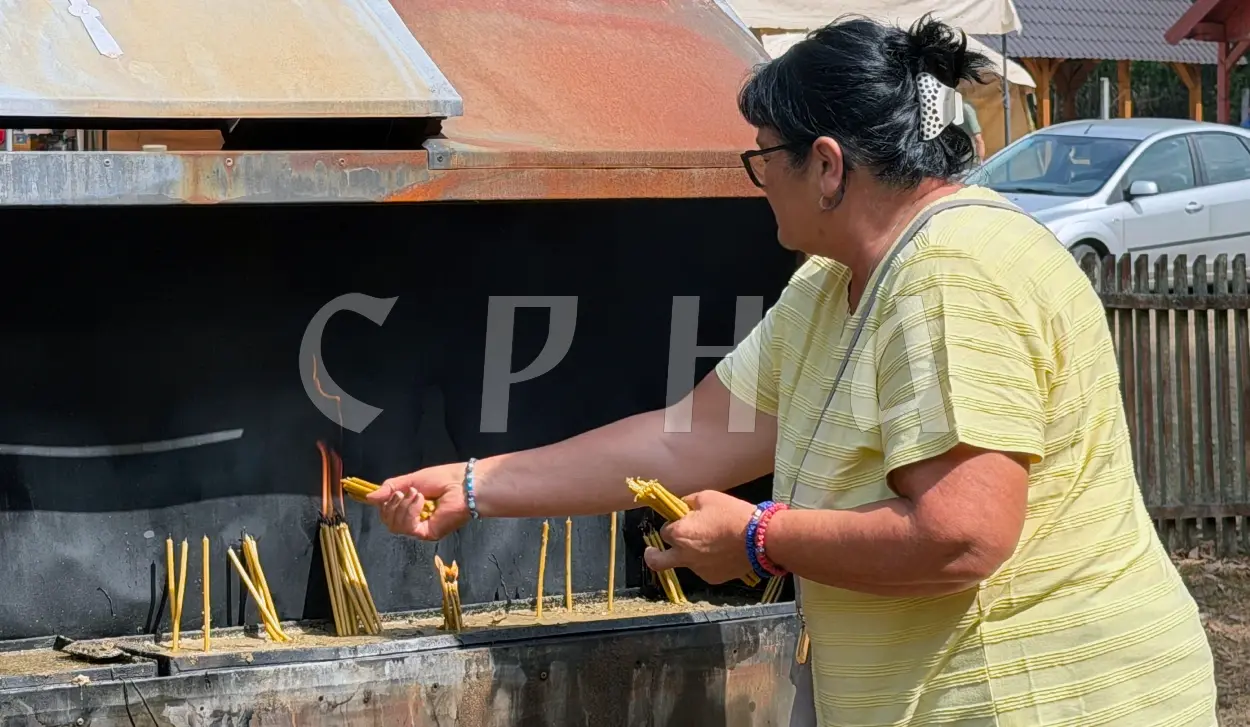
ZAVIDOVIĆI, SEPTEMBER 10 /SRNA/ — Ruzica Pejić from Vozuća, who lost 12 family members during the war, many of whom are still missing, said she found her husband Miladin's skull 13 years ago at a mujahideen camp in Kamenica, near Zavidovići.
Pejic said her husband went missing in Lozna.
She stressed that each year she returns to Stog as part of the "Paths of Exodus" march to pay tribute to her deceased family members and light candles in their memory.
Raduška Pavlović lost her son Slađan in Vozuća and is still searching for his remains.
Her testimony has been preserved as part of a multimedia museum project launched by the Memorial Centre of Republika Srpska.
At the end of August, during the commemoration of those killed and missing in the Defensive-Patriotic War in Petrovo, Pavlović told Republika Srpska Prime Minister Savo Minić that her son had been captured alive and that her greatest wish was to find his remains while she was still alive.
"I just want to know where I can light a candle for him. I am not asking for anything more," Pavlović said.
Predrag Crnić from Laktaši today paid tribute to his father, Nebojša, who was killed in 1995 in the Vozuća area. His incomplete remains were found in 2014 at the Oštrić site.
"The report said he had been killed by a mine, but in a photograph I have from the site where the remains were found, two undamaged boots can be seen," Crnić said.
Even 31 years later, the whereabouts of the remains of 129 Serbs killed in Vozuća and Ozren by members of the so-called Army of BiH and jihadists remain unknown.
On this day in 1995, an offensive was launched on the direct orders of Alija Izetbegović, who had identified the linking of the Tuzla and Zenica basins as a priority objective. Depending on the unit and direction of attack, the offensive was known as "Hurricane 95," "Farz 95" and "Badr al-Bosna."
With the direct involvement of NATO rapid-reaction forces and a Pakistani contingent of international peacekeeping forces on the side of the so-called Army of BiH, which numbered 23,000 troops, 30 Serb villages were burned and 1,920 Serb families, comprising 7,680 people, were expelled.
The fall of Vozuća marked the completion of the expulsion and ethnic cleansing of Serbs from the Zenica region, a process that had begun in 1992.
For the grave crimes committed against Serbs in Vozuća and Zavidovići, former Chief of Staff of the so-called Army of BiH Rasim Delić was sentenced by the Hague Tribunal to only three years in prison. Former commander of the so-called Army of BiH's Third Corps Sakib Mahmuljin was sentenced to eight years by the Appeals Chamber of the BiH Court, but fled the country.
Mahmuljin is one of 19 members of the so-called Army of BiH and foreign volunteers against whom criminal complaints have been filed over crimes committed against Serbs in the Ozren and Vozuća areas in July and September 1995.