ARCHPRIEST KOJIĆ: TODAY WE MOURN AND REMEMBER, BUT WE DO NOT HATE
FBiH - Mostar - remembrance
06/15/2026
11:01
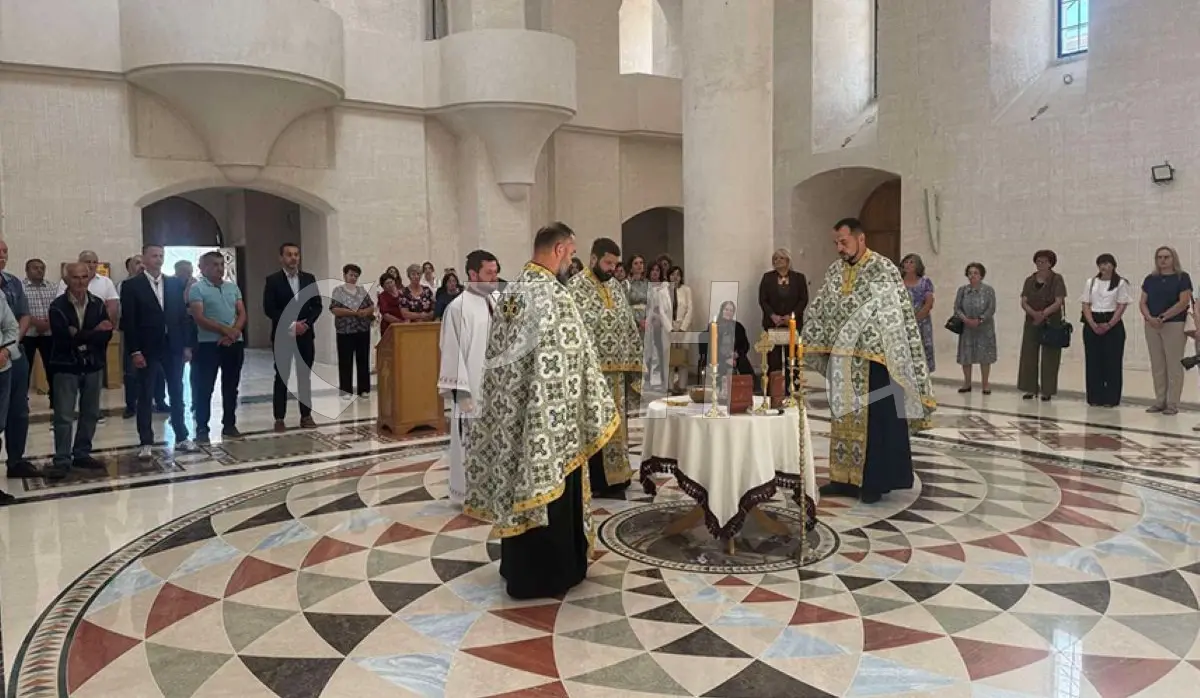
MOSTAR, JUNE 15 /SRNA/ – The dean of the Holy Trinity Cathedral in Mostar, Archpriest Duško Kojić, said in his sermon following a memorial service held at the cathedral to mark 34 years since the exodus and suffering of Serbs from Mostar and the Neretva Valley, as well as the burning of the cathedral, that the Serb people today mourn and remember, but do not hate.
Archpriest Kojić reminded that on this day in 1992 the Holy Trinity Cathedral was set on fire, but that the hopes of the Serb people in Mostar were also destroyed, and that it was the day when Serbs were expelled from the city.
"With this destroyed and burned cathedral, it was not only a building that was destroyed, but an attempt was made to destroy everything that generations had acquired, created and built. Memories of numerous baptisms, weddings, funerals, memorial services and farewells to our loved ones that took place in this church were destroyed," Archpriest Kojić said.
He added that Serbs today remember all those events, but also bear witness that the attempt failed.
"This cathedral is being rebuilt, but so too is what makes this cathedral, and that is its people. The community is being rebuilt. That is precisely why every commemoration of difficult moments in our history begins in a church, with prayer, because we know that what happened and what is happening now is not the final word. The final word belongs to our Lord Jesus Christ," the priest emphasized.
The Serb people, he said, have the right today to grieve, remember and feel pain over everything that happened.
"Today we have the right to grieve, remember and feel pain, but we do not have the right to hate. We do not have that right on any day of the year because we are Christians and because our people are a heavenly people. Because we are ready to rise from every fire and every pain with faith in God, to forgive, to reconcile and to build," Archpriest Kojić added.
He said that after the service those gathered would go to the settlement of Buna, another place of suffering, where roses would be cast into the water for the missing and the victims, but also because of what he described as an injustice that has yet to be corrected.
Today marks 34 years since the exodus of the Serb people from Mostar and the Neretva Valley, during which 431 people were killed and more than 30,000 people left their homes.
On this day, the Holy Trinity Cathedral in Mostar was also set on fire.
In June, at least 81 Serbian Orthodox Church properties in the Zahumlje-Herzegovina and Littoral Eparchy were damaged or devastated. Of that number, 24 were located in the Municipality of Mostar.
According to preliminary research findings, there were ten camps and detention sites for Serbs in the territory of Mostar. Serbs from Mostar were also taken to camps in other municipalities, and records show that Serbs from Mostar were detained in at least 28 camps and detention facilities. These figures do not include detention sites located in private buildings, where Serbs were held individually or in small groups.
The most notorious detention sites were the former military clinic, the HOS headquarters, the Ćelovina prison in Mostar, as well as the Dretelj camp in Čapljina, a camp in Ljubuški, and the notorious Lora camp in Split.
According to data processed so far, during the war at least 843 detained persons of Serbian nationality from Mostar and other places in the Neretva Valley were registered in major prisoner exchanges between the warring sides.


ADIDAS PREPARES SPECIAL JERSEY FOR MESSI'S FINAL APPEARANCE FOR ARGENTINA
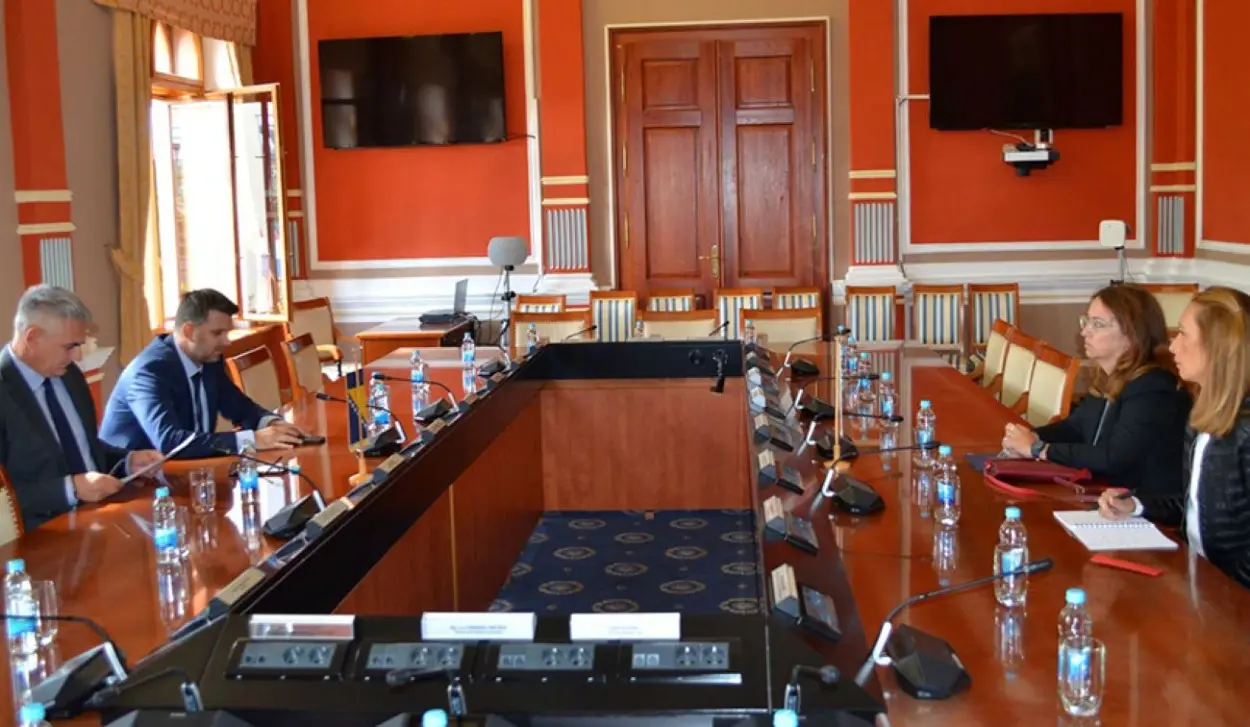
MILIĆ AND KADRIĆ DISCUSS ECONOMIC AND CULTURAL COOPERATION WITH ITALY WITH CASTELLANI

BAN ON DEPLOYMENT OF NUCLEAR WEAPONS LIFTED

MRKAJIĆ: HELICOPTER ENGINE OVERHAUL - ORAO TO ENTER CIVIL AVIATION