ACQUITTAL OF ČALUŠIĆ WHITEWASHES HVO MEMBERS OF CRIMES AGAINST SERBS
FBiH - Odžak - war crimes - reaction
06/20/2026
19:22
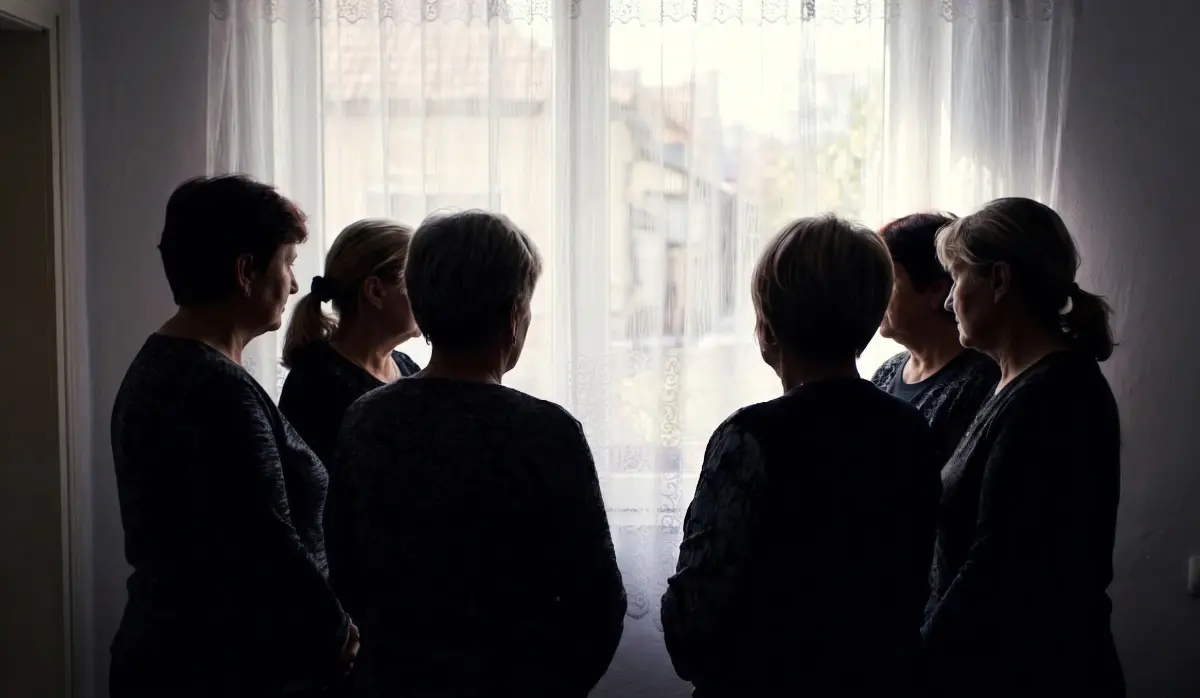
ODŽAK, JUNE 20 /SRNA/ – By acquitting Jure Čalušić of crimes committed against the Serb population in the municipality of Odžak, the humiliating and painful treatment of Serbs who were detained in wartime camps in the area has continued, and whitewashes members of the Croatian Defence Council /HVO/ of responsibility for what they did to prisoners, the Association of Former Camp Inmates “Odžak ’92” told SRNA.
“Another disgraceful decision by the courts and prosecutors in Odžak and Orašje. The clearing HVO members of responsibility. This is the fifth acquittal issued by the Cantonal Court in Odžak,” the Association stated.
Former Serb detainees recalled that Čalušić was a member of the Military Police of the HVO’s 102nd Brigade and was abusing Serbs from the village of Gornji Svilaj who had remained in their homes.
“He was arresting those Serbs and beating them in the village. They were later imprisoned in the ‘Strolit’ factory camp. He committed acts of rape in the camp. He was also caming to the camp located in the primary school, where prisoner Nedeljko Bumbić was taken away and later killed,” the Association claimed.
They noted that Bumbić’s remains were found on July 12 in the center of Novi Grad, during the withdrawal of HVO forces ahead of the Republika Srpska Army, which subsequently took control of the village located in Odžak Munuicipality.
“With Čalušić’s acquittal, the shameful humiliation of Serbs from the Odžak area continues. We have repeatedly warned about the harmful division of responsibilities between courts and prosecutors handling war-crimes cases in Odžak and Orašje,” the Association emphasized.
The Association asled why cases concerning crimes against Serbs in Posavina, specifically in Odžak, were entrusted to the cantonal court and prosecutor’s office in Odžak and Orašje rather than to Doboj, given that the former Doboj Public Security Centre conducted the original investigations.
The Cantonal Court Odžak acquitted Jure Čalušić in a first-instance verdict of charges of war crimes against civilians committed in Odžak in 1992.
Čalušić was cleared of allegations that, as an HVO military policeman, he threatened and beat four ethnic Serbs in front of the local community centre in Gornji Svilaj on May 12, 1992.
He was also acquitted of charges that, during the second half of May 1992, he repeatedly beat a Serb civilian detainee in the former “Strolit” factory in Odžak, where Serb civilians were unlawfully detained, using his hands, a rifle butt, and kicks.
Numerous witnesses, including survivors of abuse, testified about the mistreatment of Serb civilians. Their statements had previously been given to investigators from the former Doboj Public Security Centre. One witness, in a statement dated April 28, 1994, identified Čalušić as one of the guards who beat Serb detainees while transporting them for a prisoner exchange.
The witness described events on what he believed was July 4, stating that detainees were being taken for an exchange and that many were brutally beaten by a large group of Ustasha allegedly summoned by the exchange escorts.
“The same day, between 5:00 p.m. and 7:30 p.m., after leaving Đakovo, the buses stopped in a forest where we were again taken off and beaten by the guards escorting us. Among them I knew Jure Čalušić, AKA Vauga, a certain ‘Hamo’ from Odžak, and other guards whose names I cannot remember,” the witness stated.
Čalušić was one of 21 HVO members against whom the Doboj Security Services Centre filed a criminal complaint with the Military Prosecutor’s Office in Bijeljina on September 14, 1992, on suspicion of committing war crimes against civilians.
According to the complaint, from May to August 1992 they participated as members of the HVO 102nd Brigade in military operations against the armed forces of the Republika Srpska in the Odžak municipality.
It further adds that they were members of a special HVO unit known as the Fiery Horses, which was accused of committing crimes against civilians and destroying civilian and religious property.
“All those reported were primarily involved in the gang rape of Serb women, accompanied by severe physical abuse and mistreatment,” the criminal complaint stated, listing the names of victims.
Apart the above mentioned, they as the members of the Fiery Horses unit periodically visited detention camps in Odžak and the then Bosanski Brod during May, June, and July 1992, where Serb civilians were detained.
According to the complaint, they repeatedly beat detainees and subjected them to brutal physical abuse, with eight Serb detainees dying as a result of the mistreatment.
They burned multiple houses in Svilaj, Donja Dubica, Novi Grad, and Trnjani in the Odžak municipality. All housed were Serb-owned.
Cited example claimed that, in June 1992, 16 people - mostly women and children, were locked inside the home of Višnja Đaković and the house was set on fire. Those trapped reportedly escaped through a window.
Another allegation concerned an ethnic Serb married couple in Vrbovački Lipik, where members of the unit tied them up, surrounded them with straw, and set it on fire in an attempt to force a confession about possessing weapons. Afterward, the husband was beaten and the wife raped.
It was also pointed that Fiery Horses members, including Čalušić, set fire to a church in Gnionica, Odžak municipality, in June 1992.
In explaining the acquittal, the trial chamber stated that the factual allegations in the indictment were based primarily on the testimony of the injured parties themselves and that their statements were not corroborated by other evidence, eyewitness testimony, or supporting facts.
“The direct identification and recognition of the accused as the perpetrator of the acts was lacking or not established beyond doubt,” the court stated, among other findings in its reasoning.
The judgment is not final and may be appealed before the FBiH Supreme Court.