THEY ARE BUILDING A NATIONAL IDENTITY BY DENYING EVERYTHING SERBIAN
BiH - Sarajevo - historical revisionism
05/17/2026
10:52
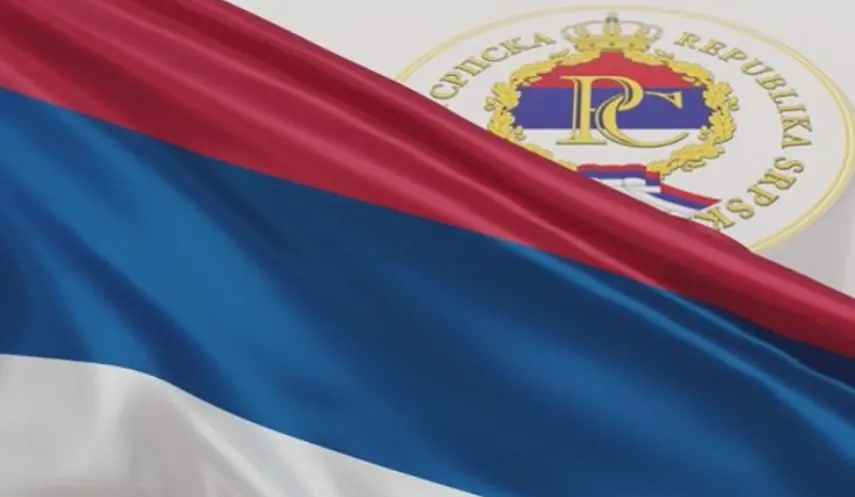
ISTOČNO SARAJEVO, MAY 17 /SRNA/ - Political scientist Filip Matić told SRNA that it is disappointing that parts of the Bosniak political elite, particularly within the academic community, engage in historical revisionism for political gains.
“The decision to build their nationality and national spirit exclusively on the negation of the Serbian identity is, at the very least, disappointing, and at times it even crosses into madness,” Matić assessed.
Matić said that certain Bosniak elites resort to denying Serbian tradition, history, and culture, while simultaneously appropriating them, adding what he described as a dose of embellishment, imagination, and pseudo-history.
“It is the same with Tvrtko I Kotromanić, where they casually claim that his coronation in Mileševa Monastery did not actually take place in Mileševa, but supposedly in some ‘Mile’!?,” Matić said.
Matić stated that this continued after the formation of post-war BiH, where every trace of Serb identity was erased from Sarajevo and other areas that became part of the Federation of BiH, from which Serbs were expelled.
“An interesting example is the Stepa Stepanović Embankment. He was the liberator of Sarajevo after the First World War, someone who brought freedom to the peoples of that city after the long Austro-Hungarian occupation, against which Bosnian Muslims fought alongside the Serbs at the time. That name has today been changed, and everything connected to the names of Stepa Stepanović, Serbian dukes from the First World War, as well as all figures who contributed to Sarajevo in many ways, is placed in various negative contexts; they are labeled as criminals and people who committed wrongdoing,” Matić stated.
Matić says that it appears that some individuals in BiH prefer to be servants of foreign patrons, and that their resentment toward the fact that Serbs expelled both the Turks and the Austro-Hungarians persists to this day.
“At the end, the question remains: where have the Serbs of Islamic faith, the fighters for freedom against Austria-Hungary, disappeared to? Where are the Muslims similar to the great Muhamed Mehmedbašić and Meša Selimović? Did they all become ‘Croatian flowers’ during the time of the Independent State of Croatia? How did they, unlike the Serbs, fail to accept the idea of brotherhood and unity, and is that enough to form an identity, or does it still require the disappearance of Serbs, as well as Serbian street names, to finally achieve that goal?” Matić asked.