PERIŠIĆ: REMAINS OF AT LEAST TWO MISSING PERSONS FOUND ON OZREN
BiH - Missing Persons Institute
10/20/2026
12:08

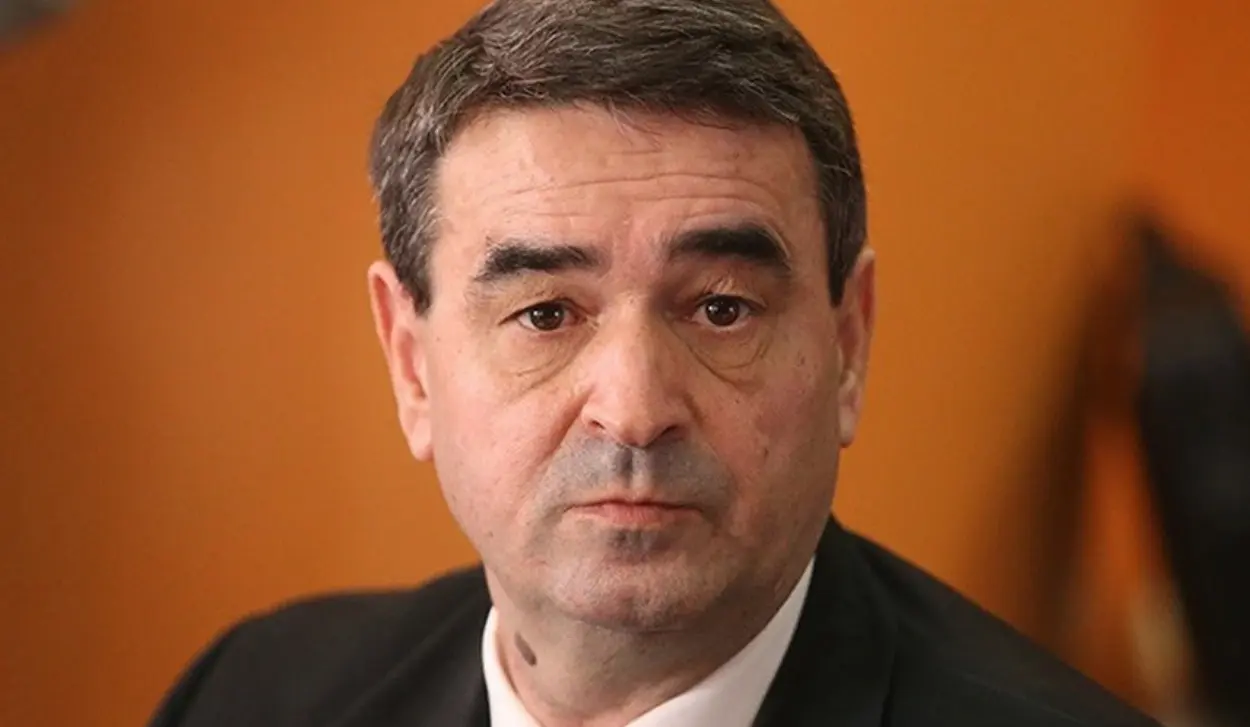
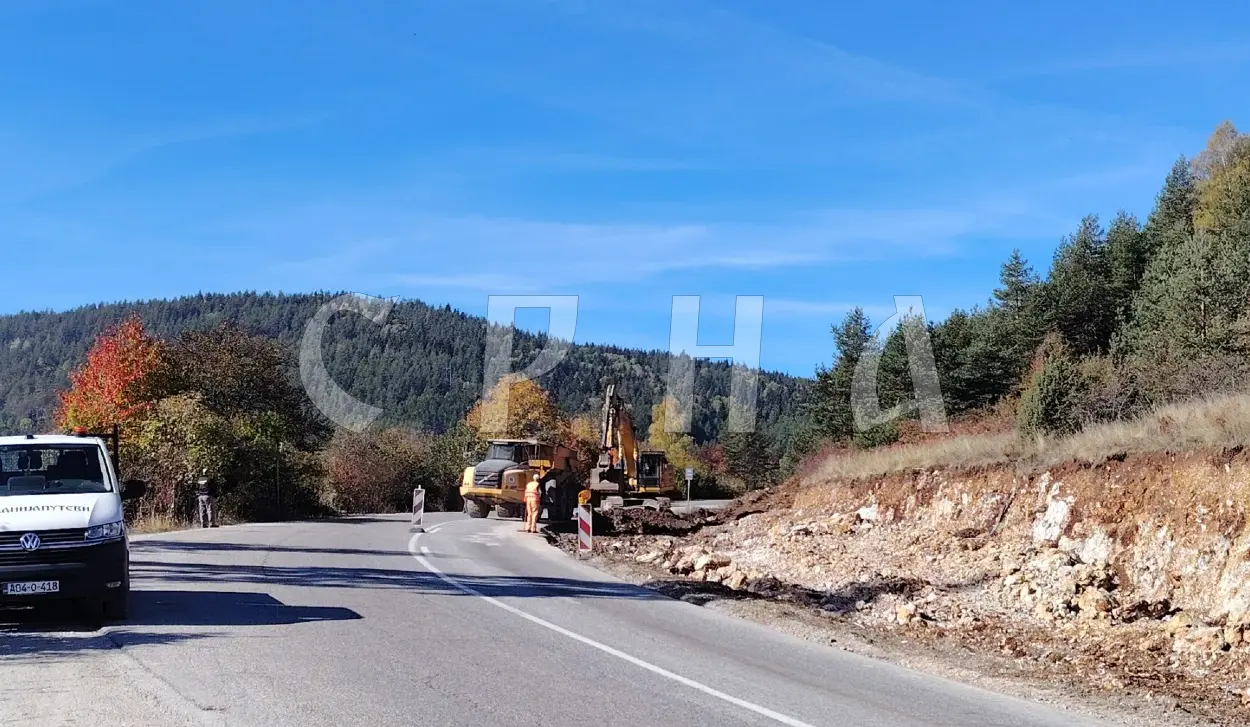
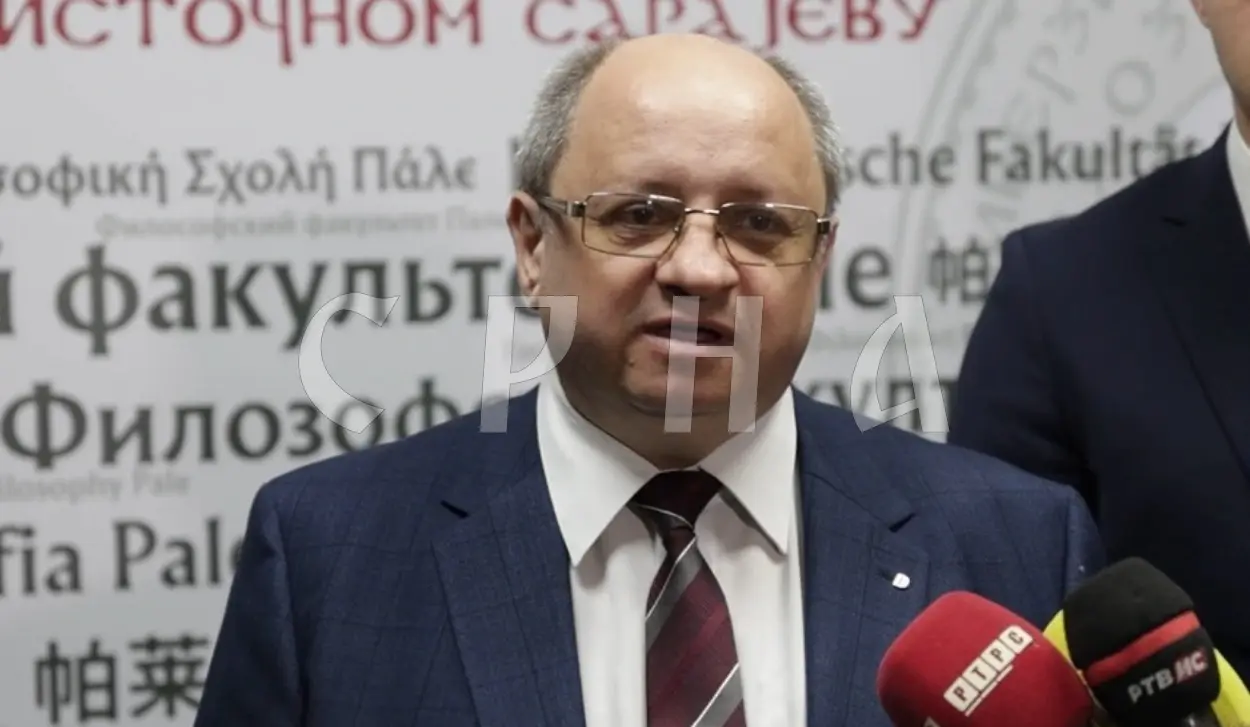
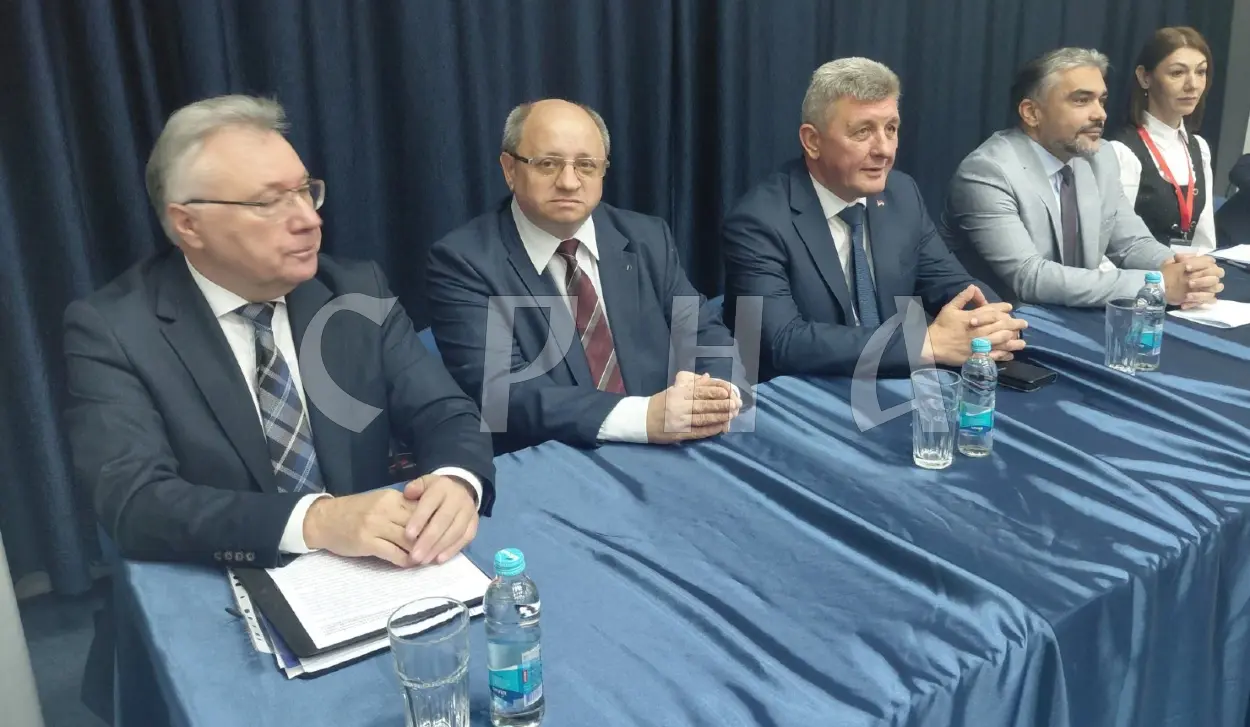
BANJA LUKA, OCTOBER 20 /SRNA/ - Member of the Management Board of the BiH Missing Persons Institute Nikola Perišić told SRNA that the remains of at least two missing persons, believed to be of Serb ethnicity, had been found and exhumed in the Ozren area.
"In the coming period, we will seek to expand the exhumation zone to establish whether there are any further remains at this location and whether it may be a mass grave," Perišić stressed.
He said that the BiH Missing Persons Institute would intensify its field activities in the coming period, in cooperation with the BiH Prosecutor's Office and the BiH Investigation and Protection Agency, to locate relocated mass graves containing the bodies of Serbs in Ozren and Vozuća, including through the use of possible alternative methods.
"I have heard about the relocation of Serb mass graves in the Ozren area, particularly after the war, in connection with the presence of members of the `El Mujahideen` detachment, which committed war crimes against Serbs in the Zavidovići and Vozuća areas," Perišić said.
He noted that over the past five to six years, the Missing Persons Institute had recorded a significant decline in the number of skeletal remains exhumed and persons identified, and consequently in the number of persons of Serb ethnicity whose remains had been found.
Perišić said that the Institute recorded 72 identifications last year, including 18 Serbs, as well as 42 sets of skeletal remains recovered, including remains relating to 16 persons of Serb ethnicity.
"These figures show that the process of searching for missing persons in BiH has stagnated. The process is hampered by a lack of relevant information about missing persons, the deaths of witnesses and family members, and inaccessible terrain, including riverbeds, lakes, rubbish dumps and mined areas," Perišić explained.
He emphasized that, as the representative of the Serb people on the Management Board of the BiH Missing Persons Institute, he would do everything possible to locate the remains of missing Serbs in Ozren, Posavina, Sarajevo Canton and the municipalities of Drvar, Glamoč, Grahovo and Petrovac, which became part of the Federation of BiH following the signing of the Dayton Peace Agreement.
"We will strive to gather as much relevant information as possible about missing persons of Serb ethnicity, perhaps by using some alternative methods as well," Perišić said.
He pointed out that the Institute had information on around 1,200 sets of remains from which bone samples had been taken for DNA analysis, but that, unfortunately, there were no matches with the blood samples.
"It is likely that errors occurred in conventional identifications during the exchange of remains in the course of the war. There are more than 750 such cases in memorial ossuaries in Republika Srpska," Perišić said.
He stated that the Institute's records currently listed 1,255 missing persons from Republika Srpska, based on relevant information about their place of residence rather than their ethnicity.
Regarding the work of the DNA analysis laboratory, which was previously relocated from BiH to the Netherlands, Perišić said that its operations were proceeding without disruption.
"Bone samples are sent for DNA analysis through diplomatic channels, and they are processed regularly," Perišić said.