BRATIĆ: U.S. INVESTIGATORS' VISIT TO DERVENTA - POLITICAL MESSAGE TO SARAJEVO AUTHORITIES
BiH - crimes against Serbs
07/18/2026
12:14
BELGRADE, 18 JULY /SRNA/ - The announced arrival of US investigators to Derventa and their involvement in investigating crimes against captured Serbs is a political message to authorities in Sarajevo, as well as to the region, that crimes have no nationality, Belgrade-based lawyer Dušan Bratić said in a statement to SRNA.
"Americans will not prosecute /the perpetrators of crimes who now live in the United States/, but they can help with the collection and securing of evidence, and that is a political message," said Bratić, who represents families of victims in the war crimes case concerning Croatia's crimes against Serb civilians on the Petrovačka and Prijedorska roads.
Bratić believes there is hope that the truth about the suffering of the Serb people during the wars of the 1990s will become widely known, and stressed that investigations into war crimes must never stop.
He said that the prosecution of war crimes is of the greatest social interest and that this is why domestic legislation, based on international conventions, primarily the Geneva Conventions, stipulates that prosecution for such crimes never becomes time-barred.
Bratić noted that the greatest capacity for prosecuting crimes against Serbs from the 1990s lies with Serbia’s War Crimes Prosecutor’s Office, which, he assessed, possesses documentation related to crimes committed in Derventa as well.
"The documentation and archives of the War Crimes Prosecutor’s Office contain certain written evidence indicating the crimes and the perpetrators," Bratić said.
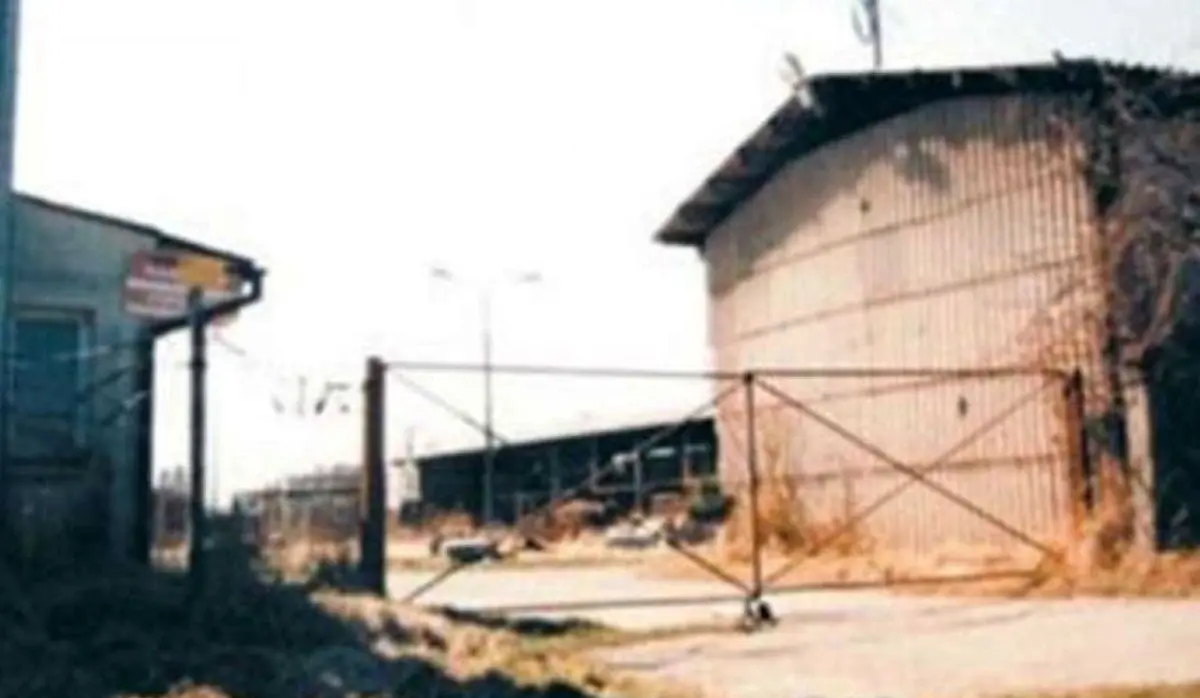
Five US investigators-prosecutors are expected to arrive in Derventa on Monday, 20 July, where they will take statements from eight former detainees about the atrocities they suffered in the notorious Rabić military warehouse camp for Serbs in 1992.
During the war, before the Army of Republika Srpska had even been formed, Croatian and Muslim forces attacked the local Serb population in Derventa.
Camps for Serbs were established, including the most notorious ones at the Army House and the Rabić site, where 120 Serbs were detained.
Several hundred Serb civilians passed through the camps in Derventa.


WASHINGTON TO LAUNCH GRANT PROGRAM FOR MAGA-LINKED INITIATIVES IN EUROPE

SULYOK SIGNS AMENDMENT CONFIRMING END OF MANDATE

KARAN: REMEMBERING CHILD VICTIMS RENEWS OUR COMMITMENT TO KEEP THEIR SUFFERING FROM BEING FORGOTTEN

DODIK: NO GREATER TRAGEDY THAN A CHILD BECOMING TARGET OF MONSTERS