UNDERGROUND TUNNELS DISCOVERED BENEATH HAGIA SOPHIA
Turkey - Istanbul - archeology
11/21/2026
19:10

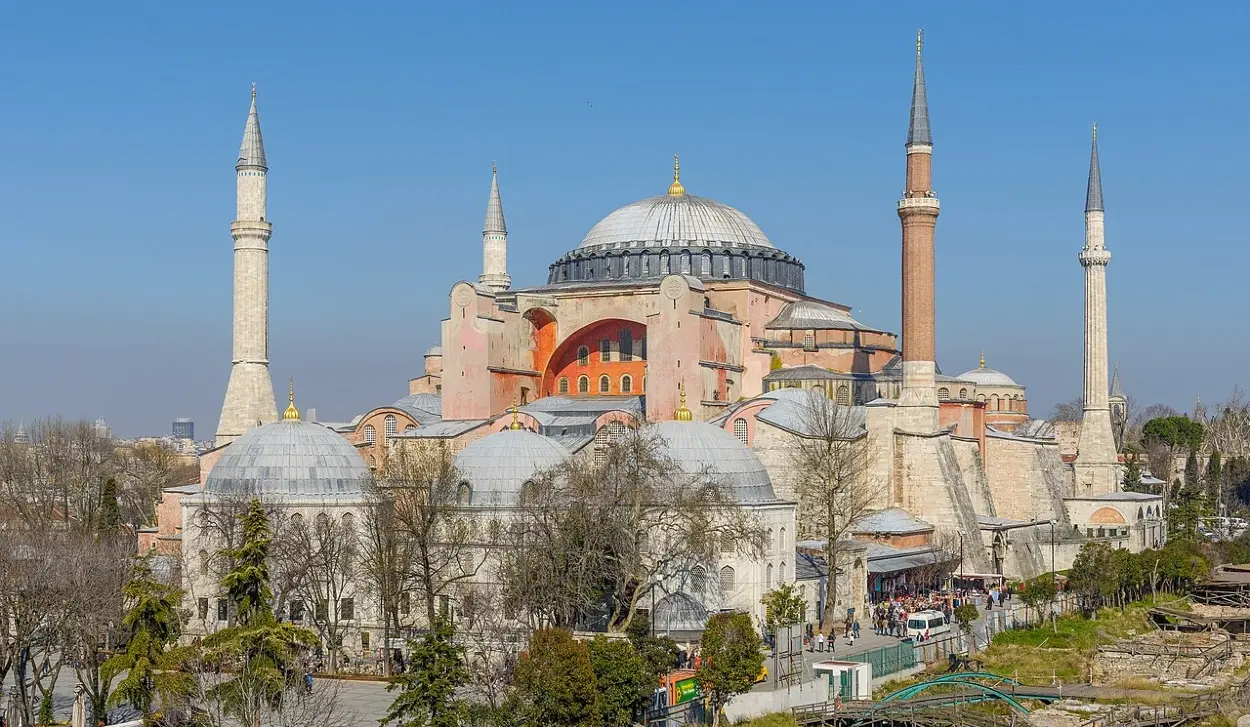
ISTANBUL, NOVEMBER 21 /SRNA/ - Underground tunnels stretching 420 metres beneath the former Byzantine church of Hagia Sophia in Istanbul were discovered today during cleaning and excavation work, Turkish officials said.
Six underground chambers and nine tunnels were uncovered during the excavations.
Turkish Minister of Culture and Tourism Mehmet Nuri Ersoy said, following a visit to the site, that nearly 3,000 tonnes of construction debris had been removed before the underground tunnels were discovered, Euronews reported.
Ersoy said the work was carried out 1.5 metres below the floor level, which had been covered in mud, where traces of an earlier construction phase were uncovered.
The minister said that three of the chambers were most likely underground sections of the old atrium, a courtyard connected to the church complex.
Of the nine tunnels, seven have already been cleared of construction debris, while work is ongoing to survey and document the remaining two.
The longest tunnel is 180 metres long and is of particular archaeological interest, as researchers are investigating whether it was connected to the so-called Roman Road of Constantinople.
The work is part of extensive maintenance and restoration of Hagia Sophia, which Turkish authorities have described as the largest of its kind since the establishment of the Republic of Turkey.
According to scientists, the underground tunnels were part of a wider water management system in Constantinople. Some sections are believed to have been used to distribute water and drain rainwater, which was essential for protecting and maintaining such a large architectural complex and ensuring its everyday use.
Turkish authorities are considering opening some of the tunnels to visitors, offering a new perspective on the history of Byzantine Constantinople.