CHINA'S EFFORTS TO OPEN UP TO THE WORLD RECOGNISED
China - Survey - CGTN
11/04/2026
10:55

BEIJING, NOVEMBER 4 /SRNA/ – The largest share of respondents, 42.7 per cent, identified China as the major global economy offering the most valuable experience in opening up to the world and economic development, the highest proportion among the economies surveyed, according to a survey conducted by China Global Television Network /CGTN/.
Nearly 90 per cent of respondents in the survey, which involved 20,100 people from 44 countries, acknowledged China's economic strength and rapid growth.
A total of 84.6 per cent recognized China's significant contribution to the global economy, while nearly 80 per cent expressed confidence in the resilience of the Chinese economy in the face of risks and challenges.
Among China's various measures to open up to the world, improved market access and visa-free policies made the strongest impression on respondents worldwide.
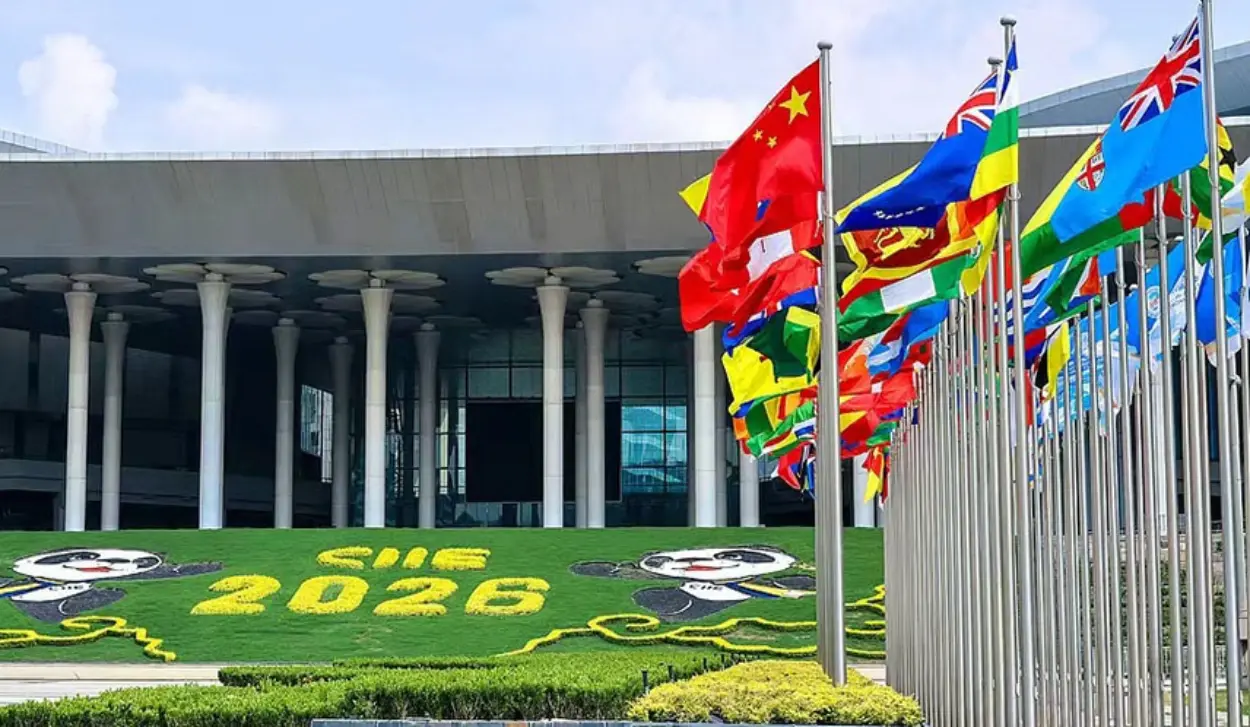
The China International Import Expo /CIIE/ also ranked among the five most widely recognised measures, serving as an important platform for demonstrating China's commitment to high-standard opening-up, China Media Group reported.
Asked whether they were willing to deepen cooperation with China, 65.6 per cent of respondents expressed interest in further cooperation. This includes not only increased investment and business opportunities but also more advanced areas such as research and development and technological cooperation.
Cultural exchanges were identified as the easiest form of cross-border cooperation, while geopolitical conflicts were considered the greatest obstacle to global openness.
Respondents also gave positive assessments of China's continued efforts to organise the China International Import Expo and advance high-standard opening-up, believing that these efforts contribute to greater certainty in a world marked by instability and change.
When assessing the global environment for openness, respondents once again identified cultural exchanges as the easiest form of cross-border cooperation.
This view was particularly pronounced among respondents from Global South countries, 65.5 per cent of whom said that cultural exchanges were easier to achieve.
Respondents aged between 25 and 34 expressed the most positive views regarding global openness. The most important factor contributing to cooperation between countries was identified as "the growing number of countries participating in trade and cooperation".
At the same time, 81.4 per cent of respondents identified geopolitical conflicts as the greatest obstacle to global openness, while nearly six in ten /59.8 per cent/ pointed to unilateral pressure and increased tariffs imposed by major powers as another significant obstacle.
Looking ahead, respondents from Global South countries expressed greater optimism about the prospects for openness. The proportion of those who believe the world will become more open over the next one to three years was almost twice as high as among respondents from developed countries.
This year's Global Survey on World Openness was launched by CGTN in cooperation with the Institute of International Communication of the New Era at Renmin University of China, on the occasion of the ninth CIIE.
The survey results show that respondents generally believe the global environment for openness is becoming increasingly complex and challenging.
The survey was conducted through an online questionnaire designed to reflect the age and gender composition of the population in each participating country, based on census data. It covered leading developed economies as well as representative countries from the Global South. The findings were compiled in the Blue Book of the Global Survey on World Openness.