ADVANCED TECHNOLOGIES TO SUPPORT PEOPLE WITH DISABILITIES
China - innovation
10/14/2026
16:25

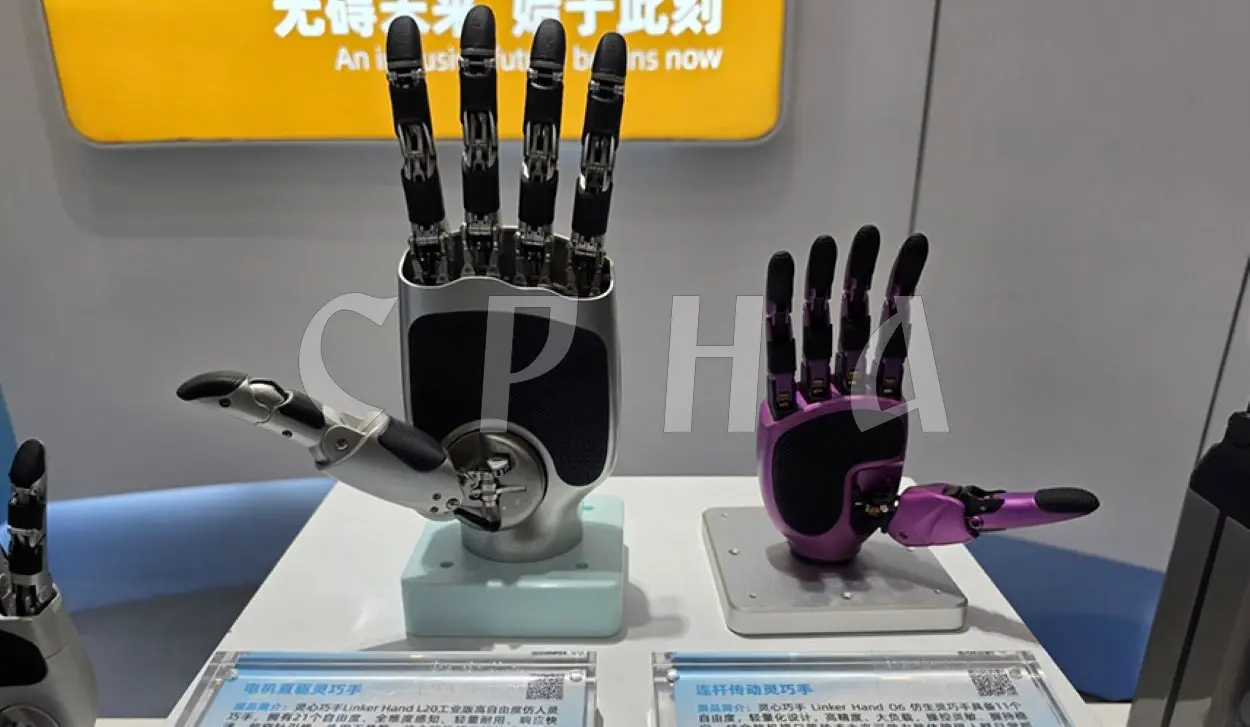
BEIJING, OCTOBER 14 /SRNA/ – China is applying artificial intelligence, robotics and other advanced technologies to make everyday life easier for people with disabilities; some of the latest solutions, including robotic hands, smart guide dogs and glasses that convert speech into text, have been presented at the Demonstration Centre of Services for Persons with Disabilities in Beijing.
Journalists participating in the programme of the China International Press Communication Centre, including a journalist from Media System of Republika Srpska – SRNA, were introduced to these technologies and support programmes for people with disabilities.
The Hui Ai Centre, established by the Beijing Disabled Persons’ Federation, began operating in March 2022. It covers 33,200 square metres, has 24 floors and has provided more than 270,000 services to users to date.
Journalists were shown robotic and bionic hands that imitate human movements, smart guide dogs that assist people with visual impairments, and glasses that convert speech into text in real time, with translation into more than 100 languages.
Virtual reality systems for the rehabilitation of children with autism were also demonstrated, along with technologies that connect brain signals to computers and could help people with paralysis and speech difficulties.
In addition to technological innovations, the centre provides rehabilitation services for children and adults, vocational training and employment support. Particular emphasis is placed on programmes that enable people with disabilities to earn an income through their work.
Products made in the centre's workshops were also presented. These are sold through online platforms, expanding employment opportunities and helping users achieve greater economic independence.
Accessibility is one of the centre's fundamental design principles. The building is equipped with ramps, adapted lifts and accessible sanitary facilities, while an indoor navigation system based on Bluetooth technology has been developed for people with visual impairments.
The Hui Ai Centre also serves as a platform for international cooperation and the exchange of experience in supporting people with disabilities. To date, it has hosted more than 300 foreign journalists from over 120 countries and has participated in organising international exhibitions and activities dedicated to this field.
The visit was organised as part of the programme of the China International Press Communication Centre, which enables journalists from developing and emerging countries to gain first-hand insight into China's technological innovations, development experience and social policies.
The programme includes lectures, workshops, visits to media organisations and opportunities to learn about various aspects of contemporary Chinese society.