SCIENTIFICALLY EXAMINING GENOCIDES AGAINST SERBS AND RUSSIANS TO UNDERSTAND CONTEMPORARY PROCESSES
Republika Srpska - Mastilović
10/20/2026
11:41

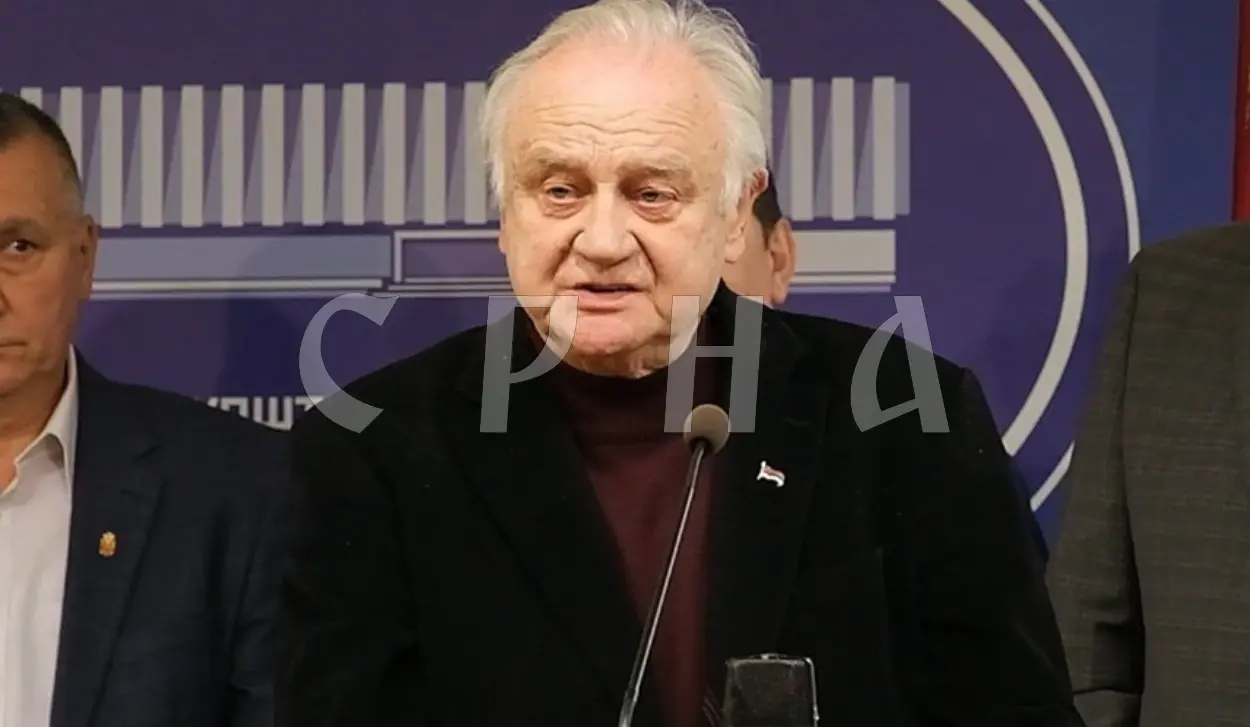
PALE, OCTOBER 20 /SRNA/ – Republika Srpska Minister for Scientific and Technological Development and Higher Education Draga Mastilović stressed the importance of scientifically examining, from various perspectives, the genocides committed by the Nazis during the Second World War against Serbs, Russians and all Slavic peoples, in order to understand contemporary geopolitical processes and the origins of Nazism escalation in Europe.
He warned that current developments in Croatia were alarming, stating that neo-Nazism and Ustasha ideology had reached such proportions that it could be said, with good reason, that more Croats support Ustasha ideology today than in 1941.
Speaking to reporters in Pale, where the International Academic Conference on Genocide against Slavic Peoples is being held, Mastilović said that scientists must provide answers as to how history had reached the point where society was once again fighting Nazism and fascism, stressing that gatherings such as this one had a role in providing a scientific explanation of these phenomena and processes.
He added that the International Academic Conference on Genocide against Slavic Peoples in the 20th Century had been organised to help understand the evil embodied by neo-Nazism as a direct consequence of Nazism.
"We know that the Serbs were the first in Europe to confront neo-Nazism and neo-fascism in the 1990s, that Germany at the time was largely behind this, along with several other European countries acting by inertia, and that the Serbs were fighting neo-Nazism at a time when nobody in Europe, not even in the Russian Federation, understood that neo-Nazism was re-emerging," Mastilović said.
He emphasised that the Republika Srpska Government had recognised the importance of the Institute of Historical Sciences at the University of Istočno Sarajevo. He also expressed satisfaction that the Republika Srpska Government and the Office of the President had invested BAM 400,000 in new premises for the Institute.
"What is particularly significant is that these new premises are in a building where Republika Srpska was established, where its institutions were formed, and where its first president and the first speaker of its National Assembly had their offices. The Institute's relocation to these premises therefore carries profound historical significance and means a great deal for the future of historical research in Republika Srpska," Mastilović said.
Mastilović confirmed that the Institute of Historical Sciences and the Faculty of Philosophy at the University of Istočno Sarajevo would always enjoy the Ministry’s full support for all their projects, particularly those important for preserving the Serb people’s culture of remembrance.
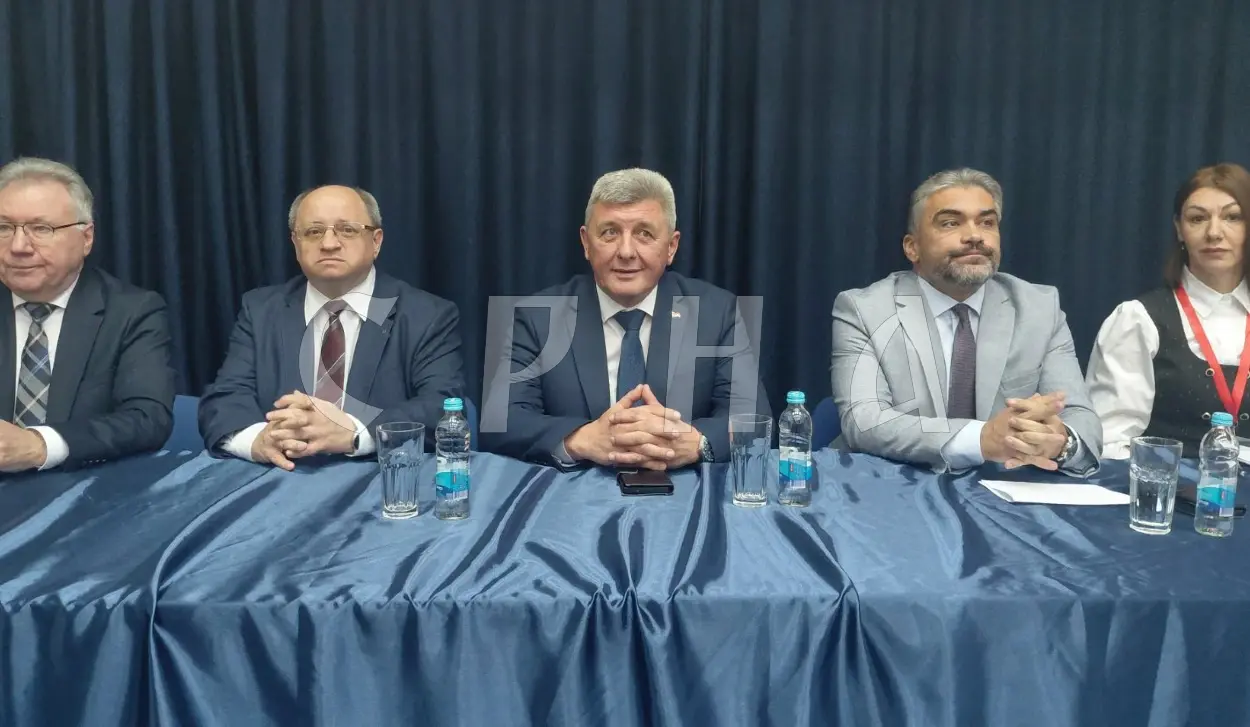
The International Academic Conference entitled "Genocide against Slavic Peoples in the 20th Century" is being held today at the Faculty of Philosophy of the University of Istočno Sarajevo in Pale. The initial statements by participants at this prominent gathering highlight the need for thorough research into genocide against Slavic peoples to ensure stronger and definitive condemnation of neo-Nazism, neo-fascism and Ustasha ideology, which are becoming increasingly prominent amid changing geopolitical relations.
Mastilović stressed that the conference was an important academic event organised by the Institute of Historical Sciences in partnership with the Faculty of Philosophy of the University of Istočno Sarajevo and partners from the Russian Federation and Belarus, with the support of the Embassy of the Russian Federation in BiH, a longstanding partner in organising such events.