REPUBLIKA SRPSKA MUST BUILD ITS OWN VOICE IN NEW WORLD ORDER
Republika Srpska - UN - Office for International Cooperation
09/26/2026
11:42
BANJA LUKA, SEPTEMBER 26 /SRNA/ - The week of the UN General Assembly confirmed what Republika Srpska had been saying even when doing so came at a high cost: an order based on selective moralizing and external arbitration has run its course, while the world is irreversibly moving toward a new balance, the Republika Srpska Office for International Cooperation said.
In a text titled "The End of an Order: What UN General Assembly Week Means for Republika Srpska?", the Office said Republika Srpska was entering that new order from its most favorable position in the past 30 years.
"The task is not to proclaim this a victory, but to use it patiently and responsibly - so that Srpska's place in the new world order becomes an indisputable fact rather than something determined by the will of others," the text said.
SRNA carries the position of the Office for International Cooperation in full:
THE END OF AN ORDER: WHAT UN GENERAL ASSEMBLY WEEK MEANS FOR REPUBLIKA SRPSKA?
The session of the UN General Assembly showed that the most important decisions are now being negotiated outside the chamber, that double standards toward Srpska are not the exception but the rule, and that Republika Srpska must speak with its own voice in the new order.
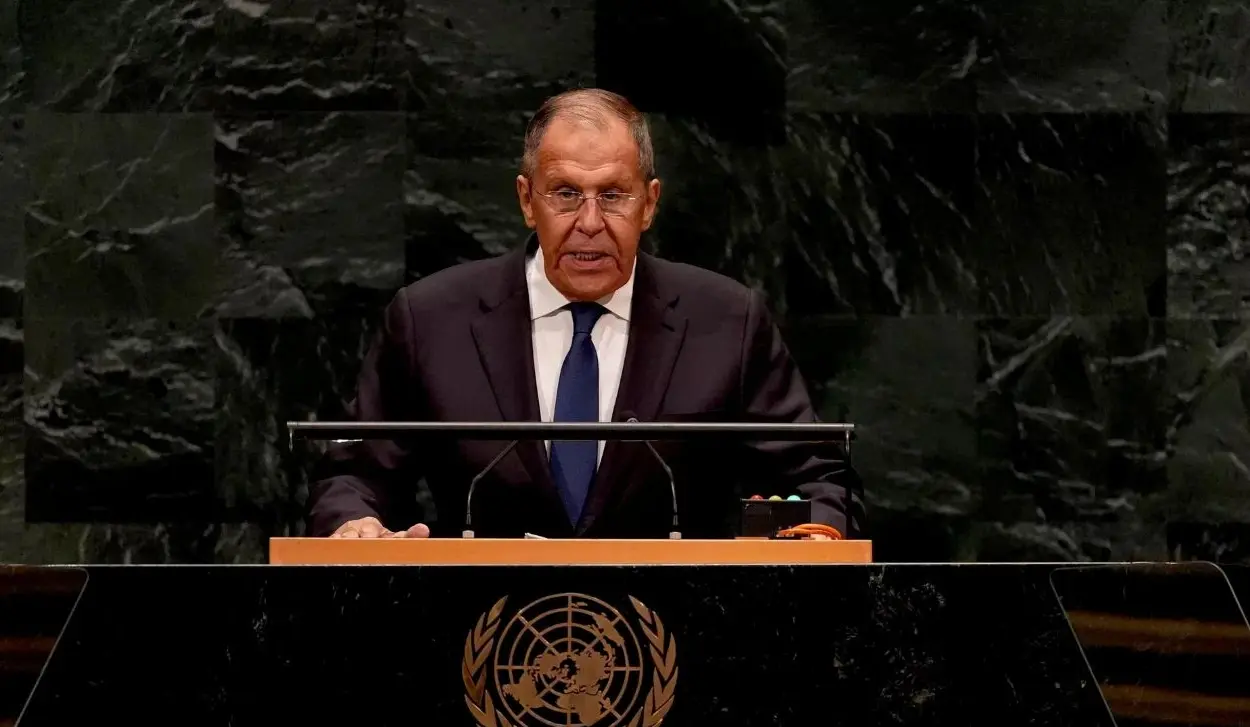
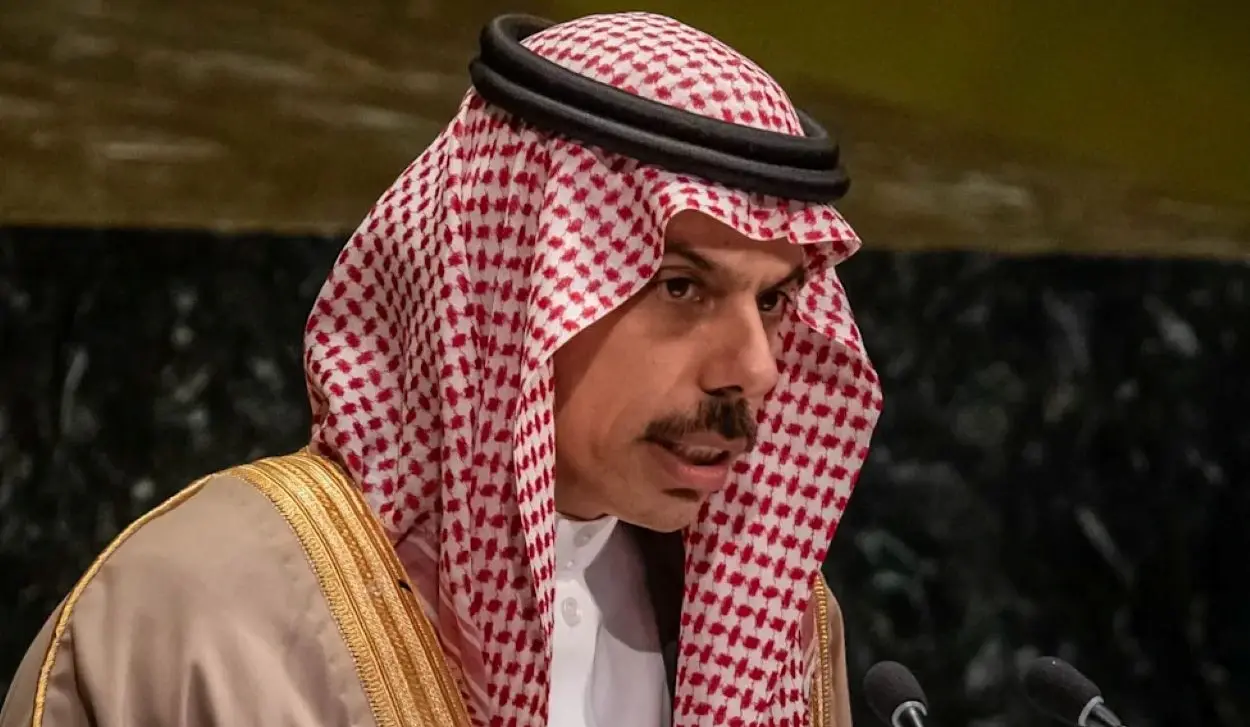
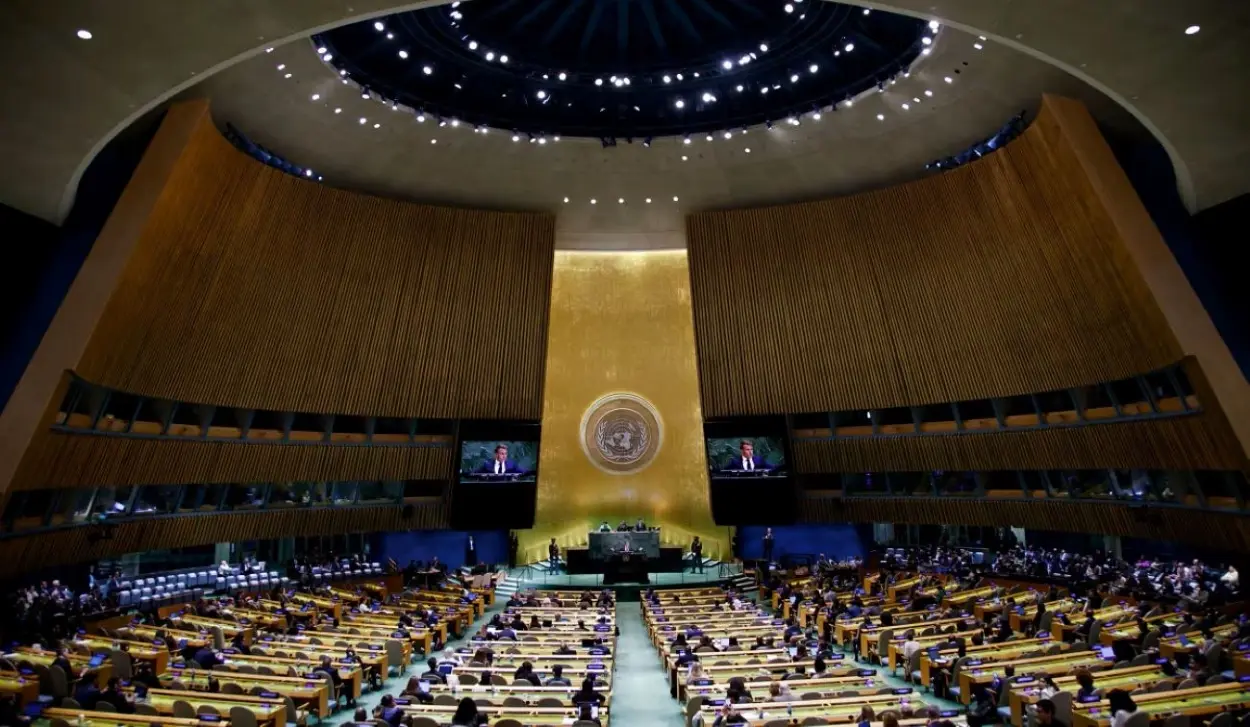
The General Debate of the 81st Session of the United Nations General Assembly, taking place in New York this week, offered no joint direction. The very theme of the session - "Renewing Trust, Managing Transformation: A United Nations That Delivers for All" - amounts to a self-diagnosis by an organization acknowledging that trust has been eroded and that transformation is underway. The organization that for eight decades symbolized the international order functioned this week as a stage on which each power spoke to its own audience rather than as a common forum.
Leading world powers openly questioned from the UN rostrum the role of the Human Rights Council and the International Criminal Court, with calls for member states to withdraw from the latter. Proposals to reform the Security Council are mutually incompatible, while any amendment to the UN Charter requires the consent of the very five permanent members whose privileges are being challenged. That paralysis of the Council contributes to an environment of impunity in which even middle powers believe they can act without consequences. Those same middle powers defended multilateralism because it is the system in which their voice carries weight. Under such circumstances, it is difficult to dispute the UN Secretary-General's assessment that the transition to a multipolar world is irreversible.
Real diplomacy, however, took place outside the General Assembly hall: in bilateral talks among major powers on ceasefires without European participation, in high-level meetings and in agreements signed on the sidelines of the session. The pattern is clear: decisions are now negotiated bilaterally and transactionally, while the UN increasingly serves as the venue where they are announced afterward. Messages were finally also heard from the rostrum that Republika Srpska itself has long voiced: the system as we knew it is collapsing because the rules do not apply equally to everyone.
This week offered several examples of inconsistent application of the same principles. The right of peoples to self-determination is in some cases treated as a legitimate democratic issue: the Greenland agreement explicitly recognizes it, while the Cardiff Declaration, in which Scotland, Wales and Northern Ireland seek the right to decide their constitutional future, is being seriously considered in London. By contrast, when Republika Srpska defends competencies guaranteed to it under the Dayton Agreement, the same principle is interpreted as secession and a threat to peace. Open support for strengthening the military capabilities of one side in the region passes without reaction, while constitutionally based moves by Srpska institutions are often portrayed as destabilizing. The recent first-instance judgment against former KLA members also raises, in the Office's view, the question of consistency in international justice toward Serb victims. Despite such pressures, the Office said the facts favor Republika Srpska: it is not a source of instability being isolated by the world, but an actor engaged at the highest level. The image of it as a source of unrest, it argued, survives only in a narrative rooted in domestic politics rather than facts.
What is weakening is not only the authority of the UN, but an entire era in which a supranational arbiter - the UN, OHR, ad hoc tribunals, the "international community" as a political subject - enjoyed an almost exclusive right to define what was legitimate. This has also, the Office said, been formally acknowledged from Washington: the era of externally imposed "nation-building" is drawing to a close, while responsibility for solutions is shifting to domestic actors. The growing divisions among international actors and guarantors of Dayton show, according to the text, that its international dimension has been exhausted. The answer, therefore, is not revision but a return to the original text of the agreement and to agreement among domestic actors.
Republika Srpska, it said, does not challenge either the letter of Dayton or the UN order. The United Nations remains the greatest achievement of world diplomacy in the past 80 years, although it is now facing its deepest crisis since its establishment. Precisely for that reason, Srpska's position is that the rules must be applied equally to everyone. The problem is not the existence of rules, but their non-observance and arbitrary interpretation. Srpska does not advocate weakening the UN, but returning it to its original role as an organization of equals, in which decisions on BiH are made by its peoples, not by external arbiters or by one part of the country.
Srpska diplomacy is aware that it is part of the UN system and that it has the right, together with friends and allies, to help build and improve it. Srpska must never again allow itself to be a silent observer and victim of decisions taken in an arena where it was neither present nor asked for its view. That is why the UN matters, and why the upcoming United Nations Day on October 24 carries greater significance this year than usual.
The results Republika Srpska is achieving internationally - access to the highest levels, deeper cooperation with partners and efforts to confront the international public with what it describes as the truth about the suffering of the Serb people, such as the exhibition in the US Congress - speak for themselves, the Office said, and confirm the consistency of Srpska's policy.
That progress, which the Office said has brought Srpska in a short period from sanctions to meetings at the highest level, must not lead to complacency, but to readiness for patient and continuous work, because nothing in international relations is achieved without mutual interest.
The past week of the UN General Assembly, the text said, confirmed that Republika Srpska should continue building its own voice in the international community.
UN General Assembly week confirmed what Republika Srpska had been saying even when it paid a high price for doing so: an order based on selective moralizing and external arbitration has run its course, while the world is irreversibly moving toward a new balance.
Republika Srpska is entering that new order from its most favorable position in the past 30 years. The task is not to proclaim this a victory, but to use it patiently and responsibly - so that Srpska's place in the new world order becomes an indisputable fact rather than something determined by the will of others.