RAČIĆ WARNS EU STAY RESTRICTIONS ON DRIVERS COULD HARM ECONOMY
Republika Srpska SRNA - podcast
03/07/2026
10:43

BANJA LUKA, MARCH 7 /SRNA/ – Restrictions on the length of stay of professional drivers from BiH in EU countries pose a major problem for the economy and could lead to higher transport service prices and a loss of competitiveness for domestic companies, President of the Republika Srpska Chamber of Commerce Goran Račić told SRNA.
Račić pointed out that this is a problem affecting all countries in the region and that BiH institutions need to work more intensively to resolve it.
"This is a major problem for all Western Balkan countries. Unfortunately, drivers had been warning about it, but we did not have an adequate response from the authorities at the BiH level," Račić said in the SRNA podcast.
He noted that the current rules governing stays in the Schengen area represent a serious limitation for the transport sector.
"The problem at this moment is that our drivers are short by around 40 to 60 days in order to meet the 90–180 rule," Račić stressed.
According to him, the Chamber has contacted the Council of Ministers and is in daily communication with transport companies, while also holding talks with counterparts in Serbia, Montenegro and North Macedonia.
"From the very beginning, our position has been that the Council of Ministers should be the first address to turn to and should launch a regional initiative with other Western Balkan countries, and jointly present that initiative in Brussels," Račić stressed.
He said that an extraordinary session of the Council of Ministers had also been requested to address the issue faced by transport operators.
"The response we received was that the session should first be prepared by the line ministers, and I see no problem in doing that and holding the session," Račić said.
He emphasized that the problems faced by transport operators should be the focus of all officials who can contribute to resolving the issue, warning that a potential relocation of transport companies to other countries could have significant economic consequences.
"According to our estimates, if transport companies were to re-register and move to Western European countries, it could increase transport service prices by about 30 percent," Račić said.
According to him, such a development would further weaken the competitiveness of the domestic economy and could create problems in exports and investments.
"If this situation continues, there could certainly be new blockades of border crossings. If border crossings are blocked again, I believe it would deal a major blow to our economy," Račić warned.
An increase in transport service prices, Račić added, could also lead to higher prices for other services, while failure to resolve the problems faced by transport operators could result in the suspension of certain foreign investments in Republika Srpska.
"I appeal to the Council of Ministers to engage more actively on this issue, because at this moment it is certainly the most important economic issue in the country," Račić stressed.


OIL PRICES CONTINUE TO RISE

KOŠARAC: CALL TO BOYCOTT SERBIAN PRODUCTS - IMPOTENCE OF SARAJEVO POLITICS
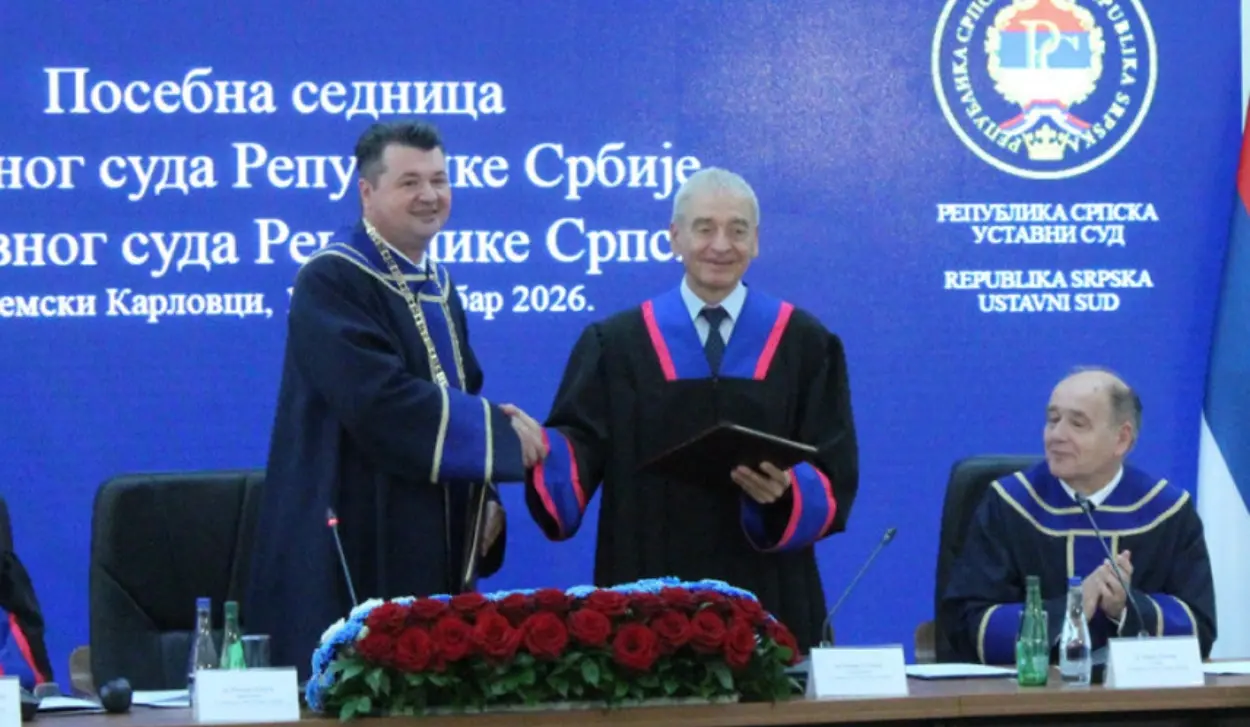
COOPERATION BETWEEN CONSTITUTIONAL COURTS OF SERBIA AND REPUBLIKA SRPSKA FORMALLY LAUNCHED IN SREMSKI KARLOVCI

CVIJANOVIĆ: SERBIAN UNITY DAY HIGHLIGHTS IMPORTANCE OF RALLYING AROUND COMMON INTERESTS